Laparoscopic Surgey

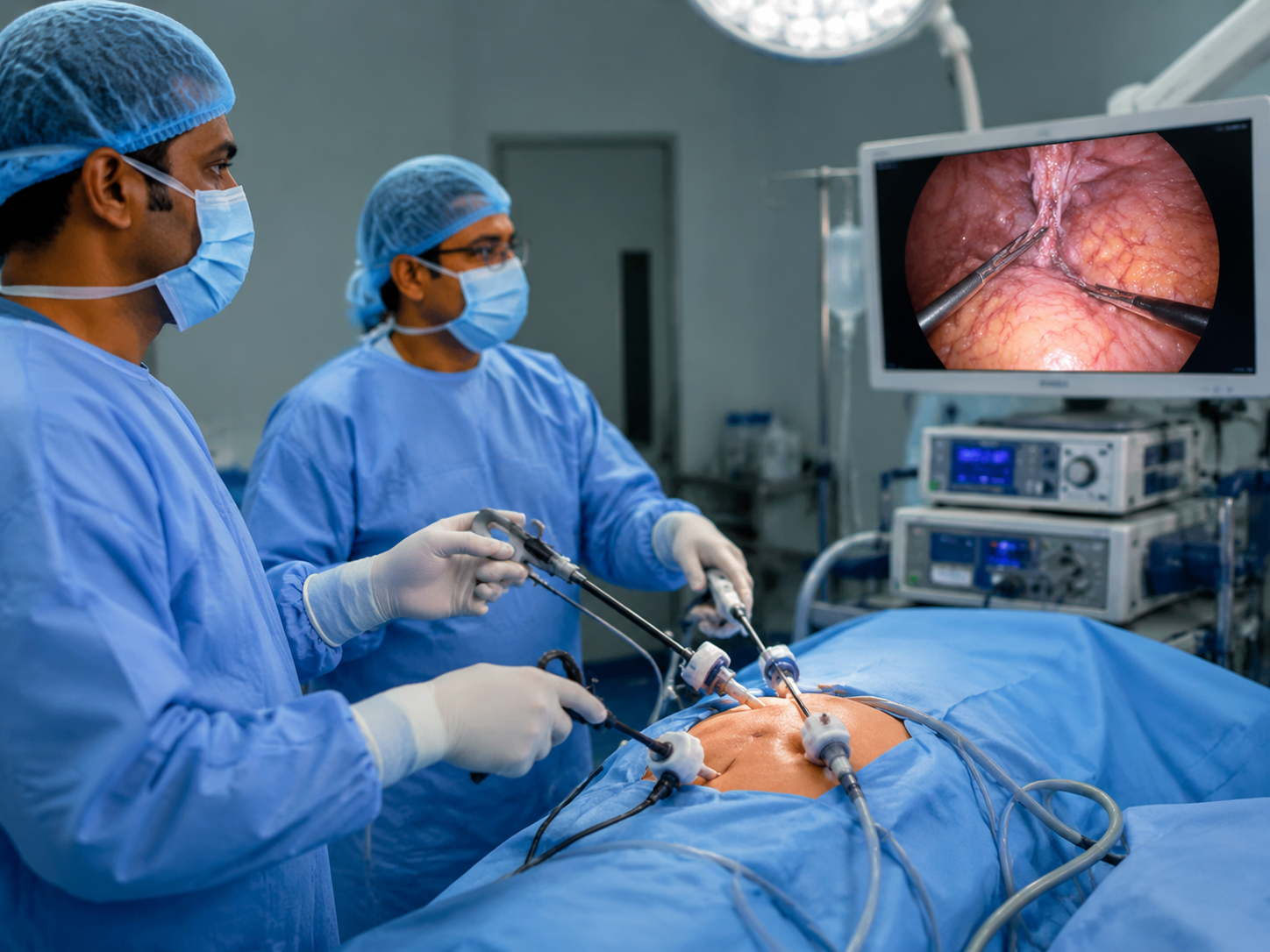
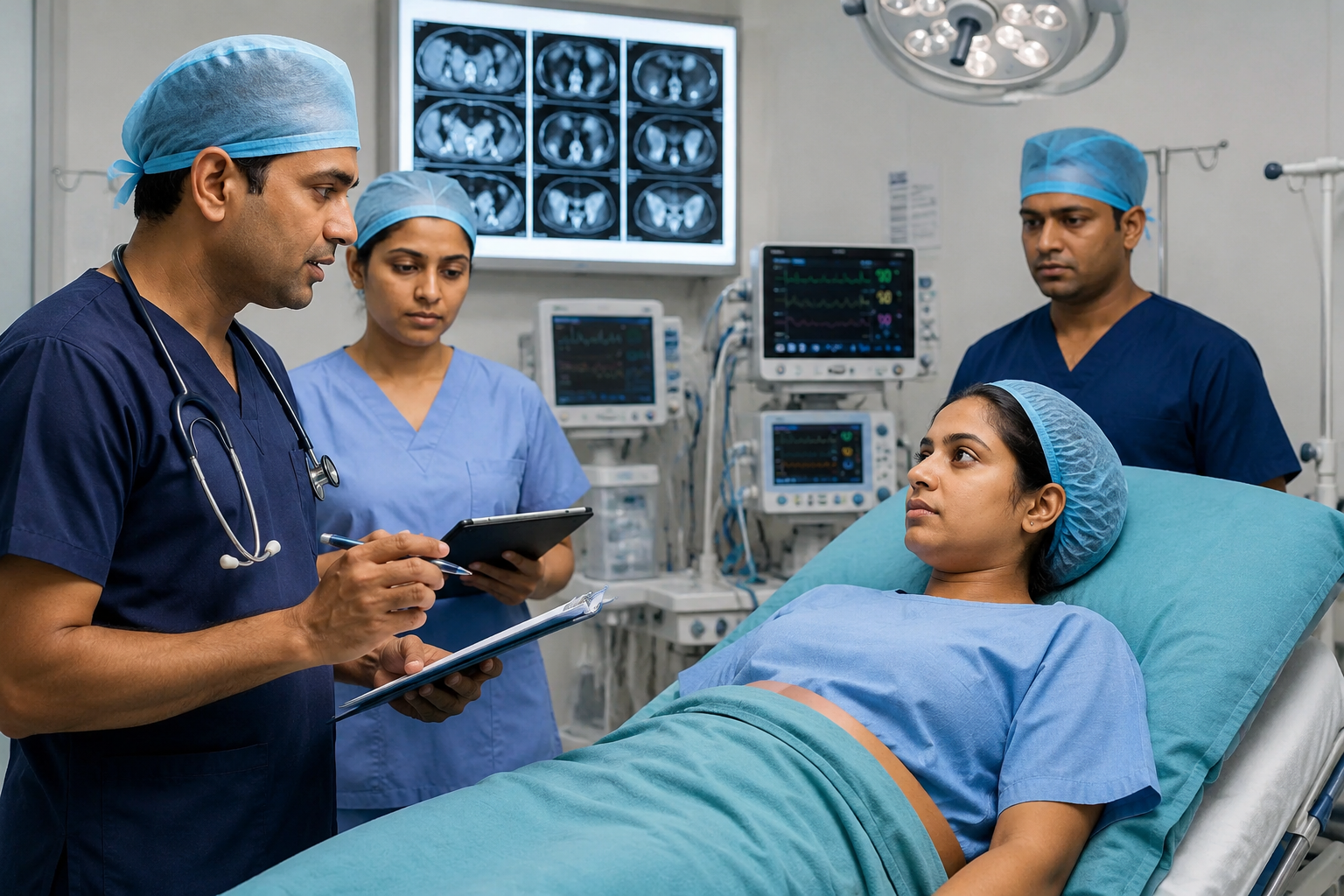
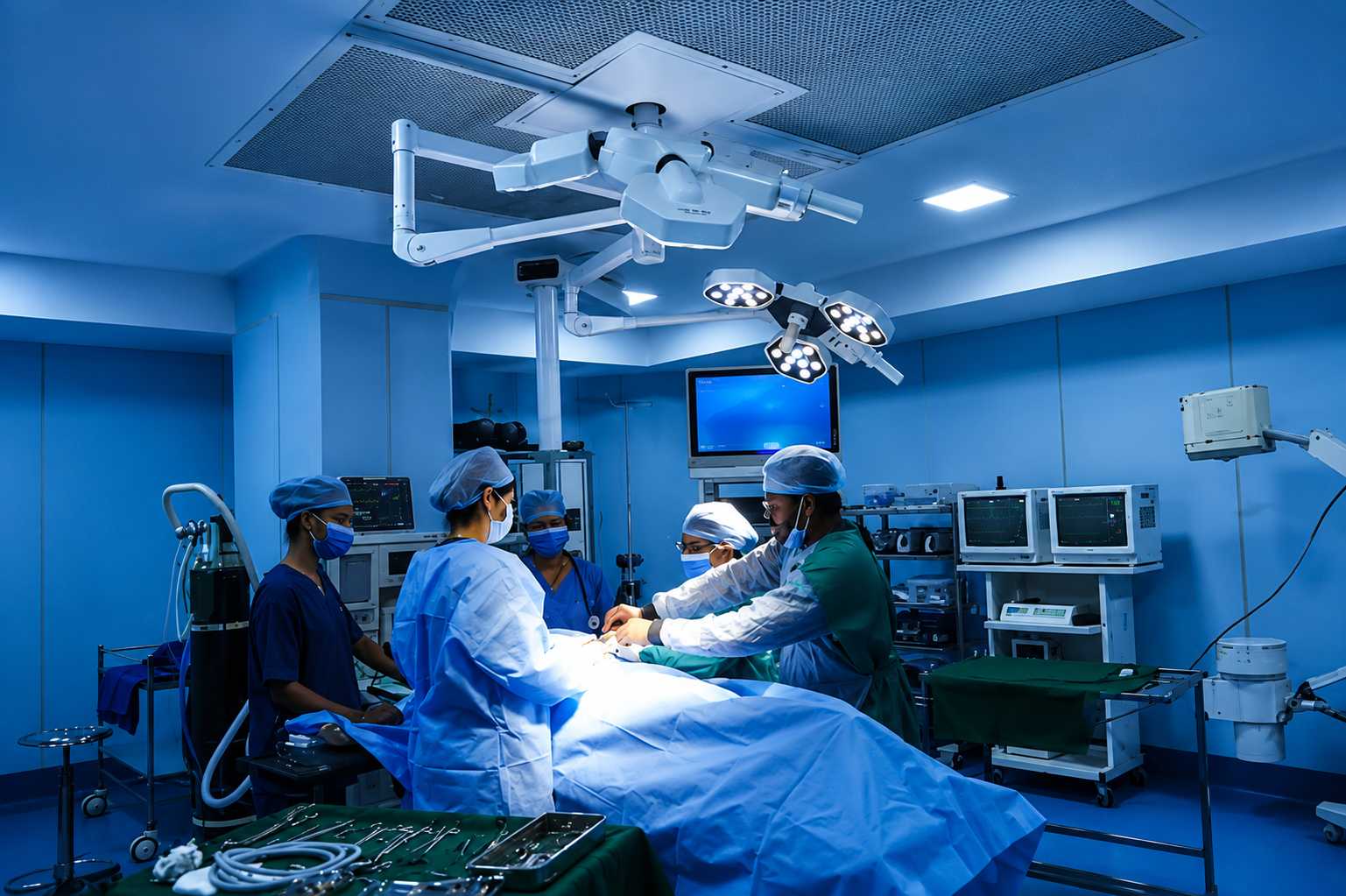
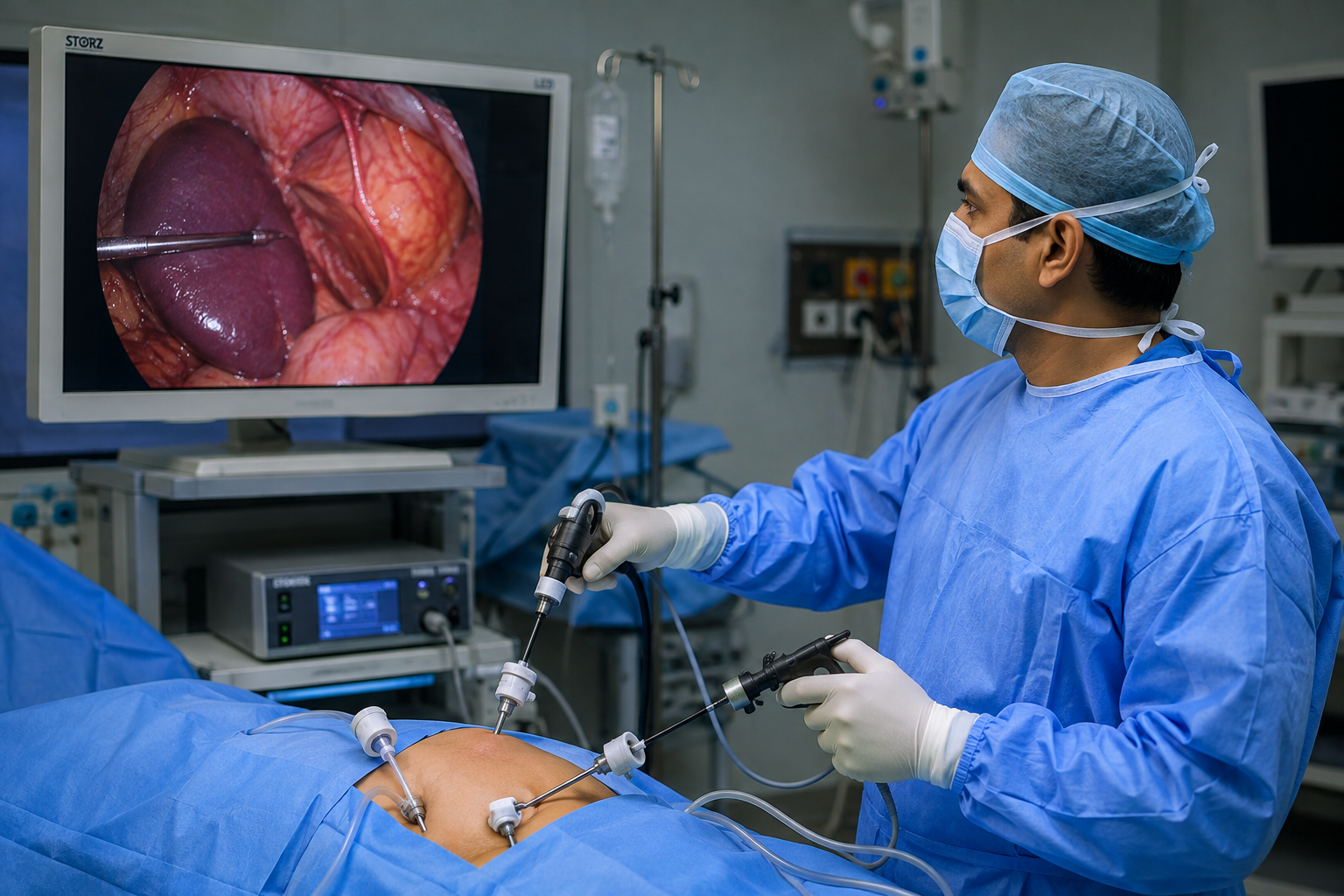
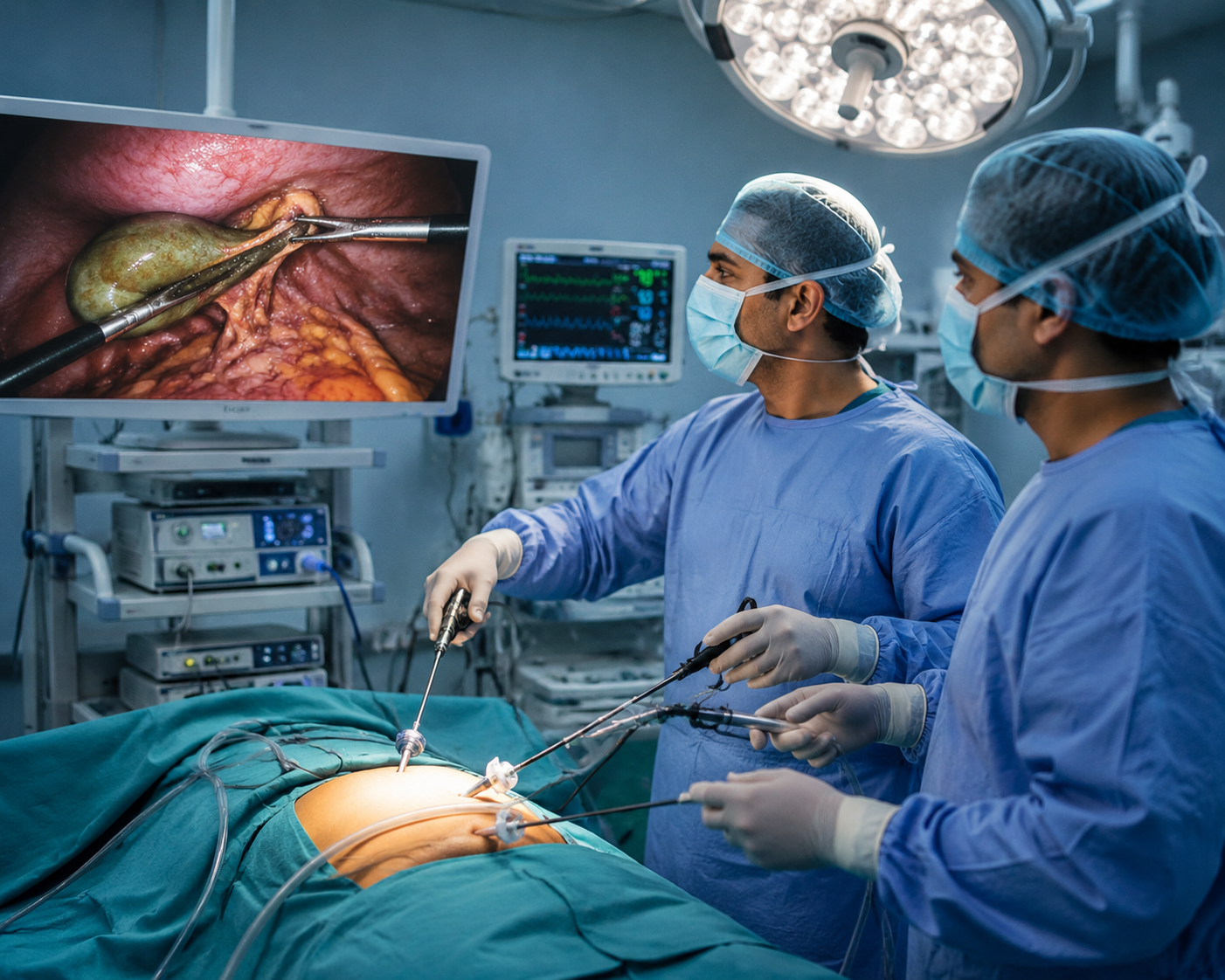
Laparoscopic surgery is a minimally invasive surgical technique used for various medical procedures, including bariatric surgery. It involves making small incisions through which a camera and specialized instruments are inserted to perform the surgery. This technique reduces recovery time, minimizes scarring, and lowers the risk of infection compared to open surgery. It is commonly used for weight loss surgeries, hernia repairs, gallbladder removal, and gastrointestinal procedures. Patients typically experience less post-operative pain and a faster return to daily activities. However, laparoscopic surgery requires advanced surgical skills and may not be suitable for all cases. Proper post-surgical care and lifestyle adjustments are essential for optimal outcomes.

Exploring the Causes & Risk Factors of Laparoscopic Surgey

Understanding the causes of Laparoscopic Surgey is crucial for proper prevention, timely intervention, and overall well-being.


Severe Obesity

When diet, exercise, and medications fail, surgery becomes a last resort for weight loss. It helps individuals with high BMI regain control over their health and prevent complications.

Obesity-Related Health Issues

Conditions like diabetes, hypertension, and sleep apnea worsen with excess weight. Surgery can help manage or resolve these problems, improving overall quality of life.

Metabolic Disorders

Some individuals struggle with weight loss due to genetic or hormonal imbalances. Bariatric surgery alters digestion and absorption to assist in long-term weight management.

Symptoms of Laparoscopic Surgey

Persistent Nausea

Continuous discomfort and vomiting after eating small portions.

Nutritional Deficiencies

Lack of essential vitamins and minerals affecting health.

Dumping Syndrome

Rapid food movement causing nausea, dizziness, and diarrhea.

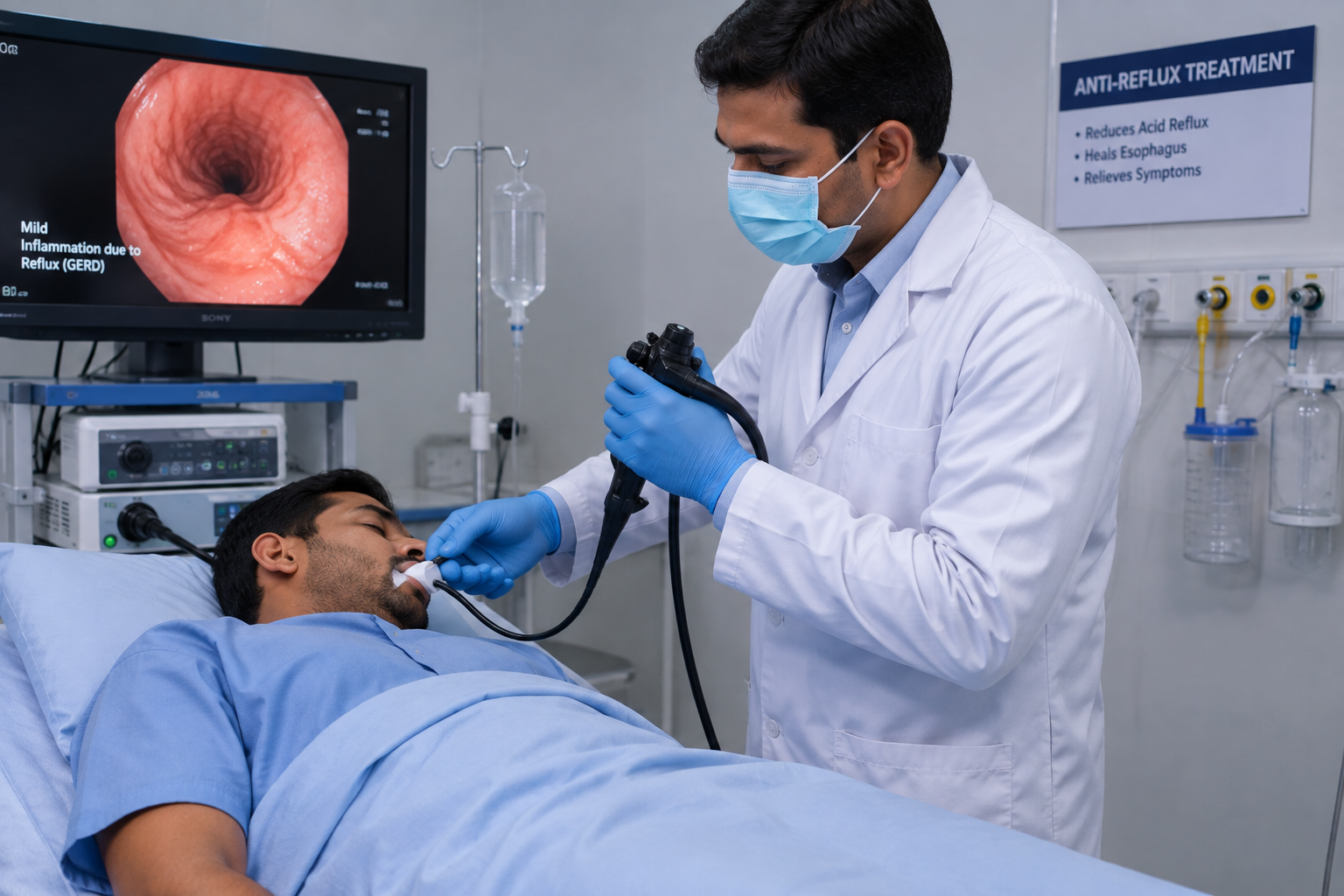
Acid Reflux

Stomach acid backing up into the esophagus, causing discomfort.

Gallstones Formation

Rapid weight loss increasing the risk of gallstone development.

Surgical Site Infection

Redness, swelling, or pain at incision areas post-surgery.

Treatment Options

How is laparoscopic surgery different from open surgery?

It involves small incisions, a camera, and specialized instruments, reducing recovery time and scarring.

What are the benefits of laparoscopic surgery?

Faster healing, less pain, minimal scarring, and lower risk of infections compared to open surgery.

Which procedures are commonly performed using laparoscopy?

It is used for hernia repair, gallbladder removal, bariatric surgery, and gynecological procedures.

How long does recovery take after laparoscopic surgery?

Most patients resume daily activities within a few days to weeks, depending on the procedure.

Are there any risks associated with laparoscopic surgery?

Though rare, risks include infection, bleeding, organ injury, or conversion to open surgery if needed.