Best Laparoscopic Adhesiolysis Surgeon in Hyderabad
Advanced Adhesions Release Surgery by Dr. Prashanth Koyyoda
Experiencing chronic abdominal pain or intestinal obstruction due to abdominal adhesions? Dr. Prashanth Koyyoda, an experienced Surgical Gastroenterologist, GI Surgeon, and Advanced Laparoscopic Surgeon in Hyderabad, performs Laparoscopic Adhesiolysis (Adhesions Release Surgery) using minimally invasive techniques to safely remove scar tissue, relieve symptoms, and restore normal bowel function.
ABOUT THE PROCEDURE
What is Laparoscopic Adhesiolysis Surgery?
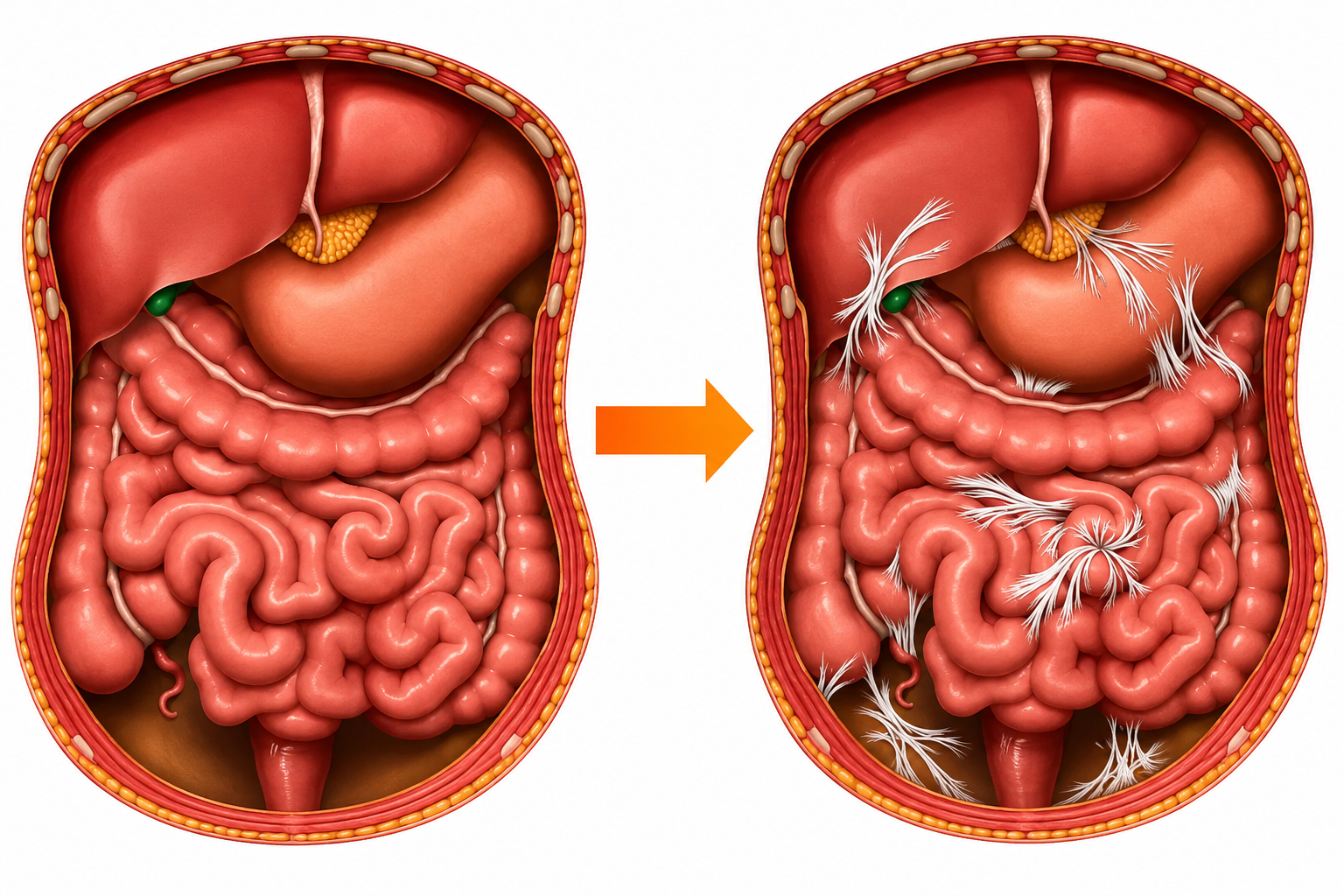
Laparoscopic Adhesiolysis is a minimally invasive surgical procedure performed to release or remove abnormal bands of scar tissue (adhesions) that develop inside the abdomen. These adhesions commonly form after previous abdominal surgeries, infections, inflammation, or trauma and may cause chronic abdominal pain, infertility, or bowel obstruction. Using specialized laparoscopic instruments through small incisions, the adhesions are carefully separated to restore the normal movement and function of abdominal organs. Dr. Prashanth Koyyoda performs advanced adhesiolysis with precision to minimize tissue injury, reduce complications, and promote faster recovery.
CONDITIONS TREATED
Conditions Treated with Laparoscopic Adhesiolysis Surgery
Laparoscopic adhesiolysis is performed to treat complications caused by intra-abdominal scar tissue.
Post-Surgical Abdominal Adhesions
Chronic Adhesion-Related Abdominal Pain
Recurrent Adhesive Intestinal Obstruction
Small Bowel Obstruction Due to Adhesions
Pelvic Adhesions
Dense Peritoneal Adhesions
BENEFITS OF SURGERY
Benefits of Laparoscopic Adhesiolysis Surgery
Minimally invasive adhesiolysis offers several advantages compared to open surgery in suitable patients.
Relief from Chronic Abdominal Pain
Resolution of Intestinal Obstruction
Restoration of Normal Organ Movement
Smaller Incisions
Less Postoperative Pain
Minimal Blood Loss
Lower Risk of Wound Complications
Faster Recovery
HOW IS THE PROCEDURE PERFORMED?
How is Laparoscopic Adhesiolysisr Surgery Performed?
Laparoscopic adhesiolysis is performed under general anesthesia through small incisions, using a camera and specialized instruments to carefully identify and release abdominal adhesions.

Preoperative Assessment
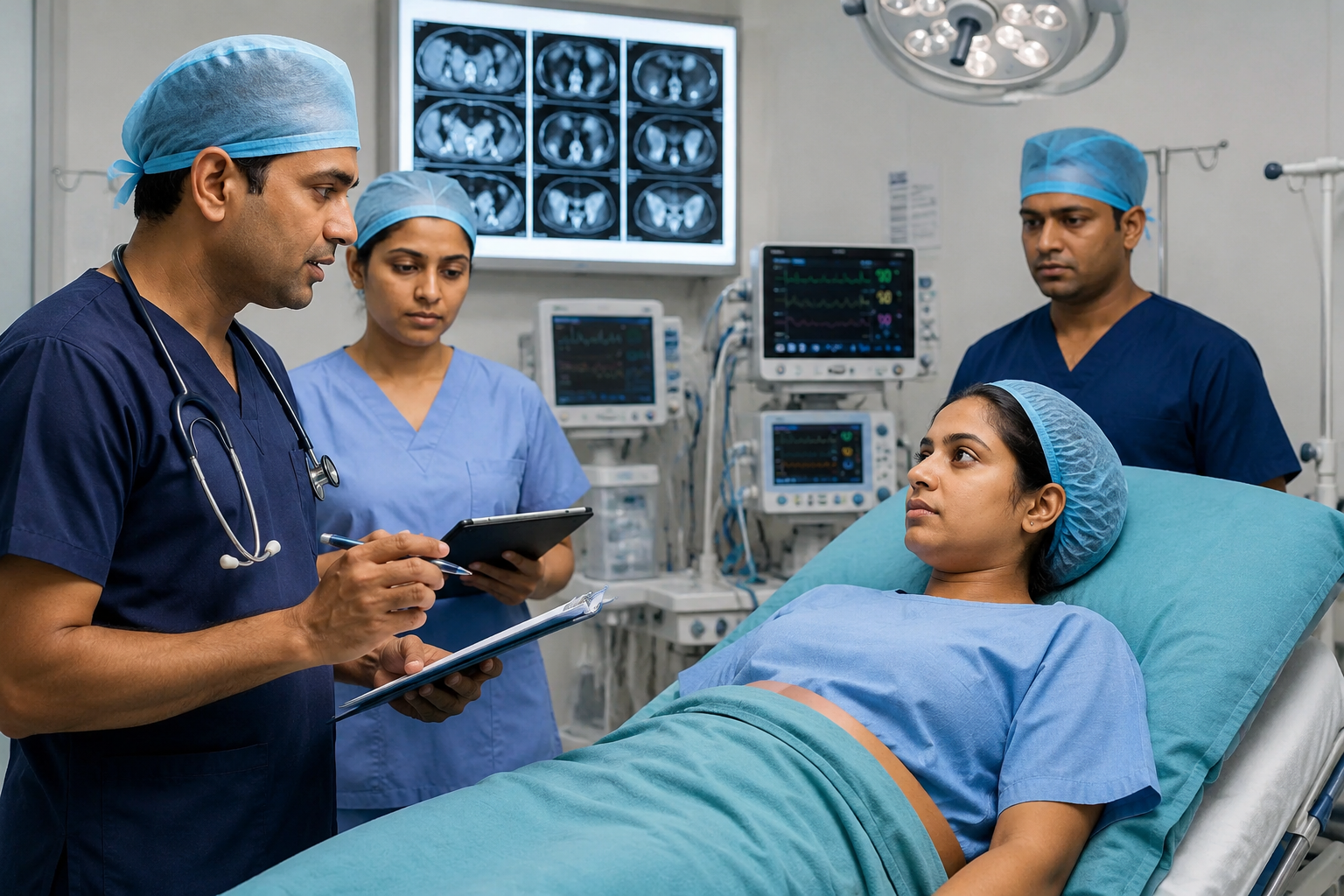
Before surgery, Dr. Prashanth Koyyoda performs a thorough evaluation, including medical history, physical examination, blood investigations, CT scan of the abdomen when indicated, and anesthetic fitness assessment. Previous surgical records and imaging studies are reviewed to understand the location and severity of the adhesions.
General Anesthesia
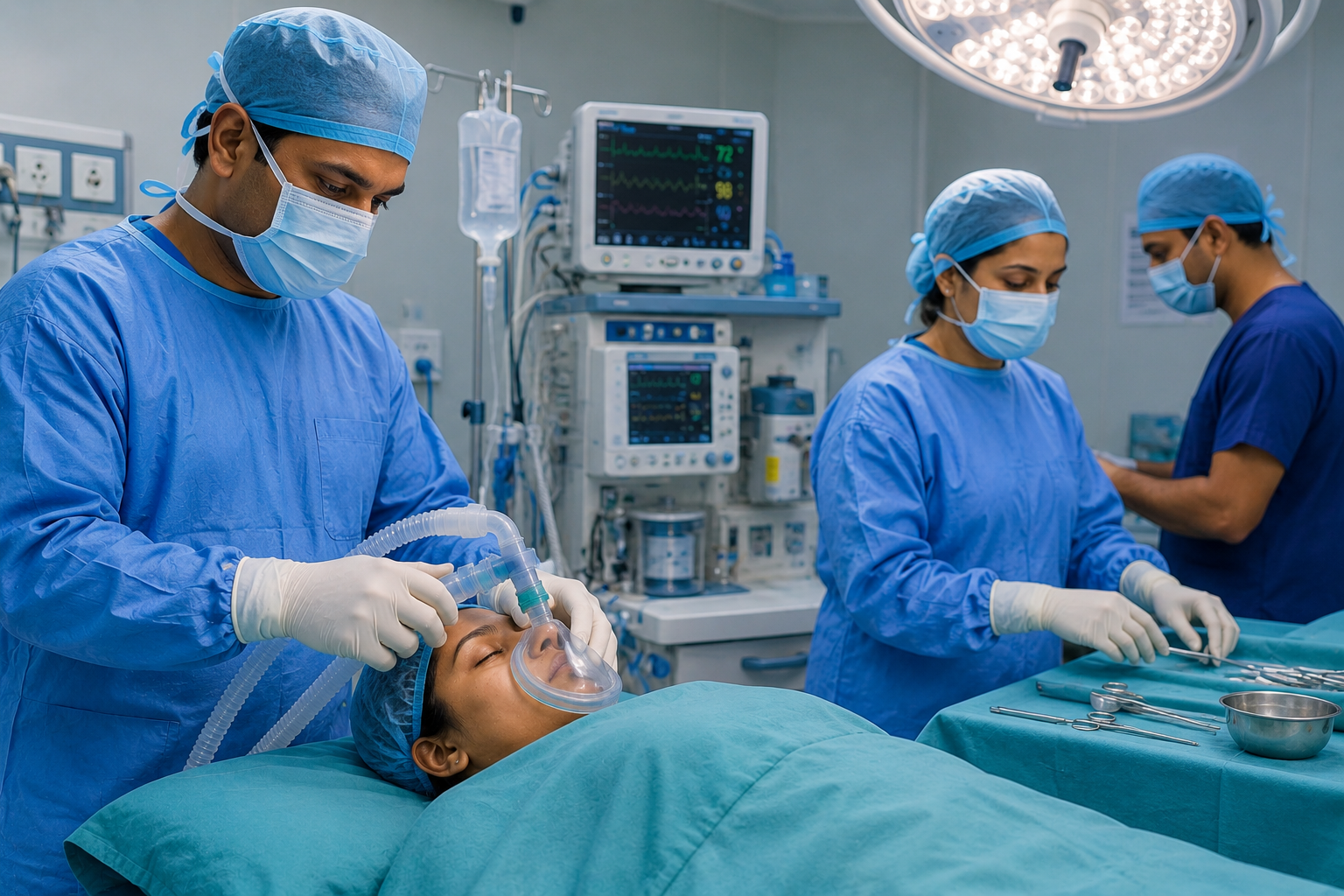
The procedure is performed under general anesthesia to ensure complete patient comfort. Throughout the surgery, the anesthesia team continuously monitors all vital signs to maintain maximum safety.

Surgical Procedure
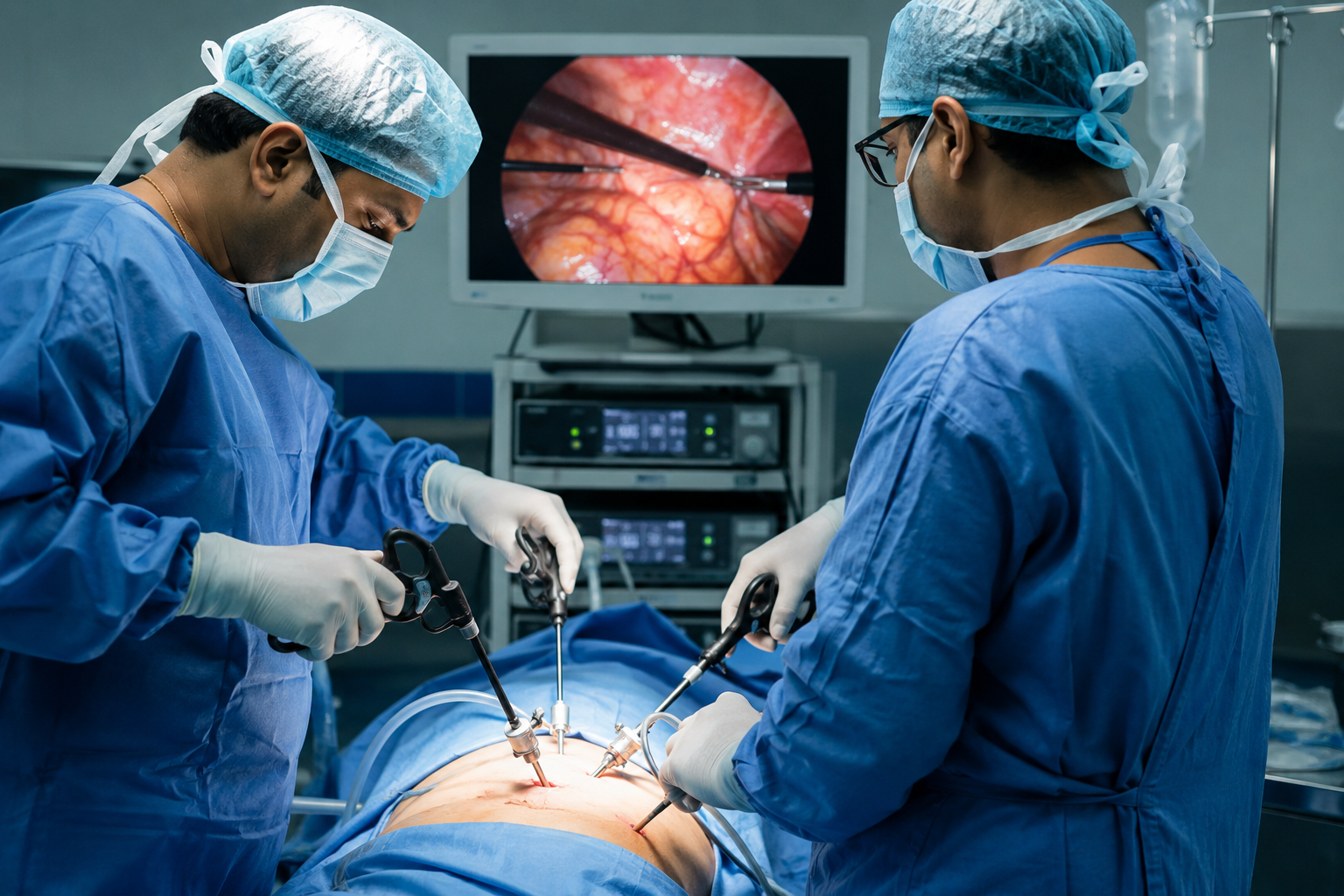
Small incisions are made in the abdominal wall to insert a laparoscope and specialized surgical instruments. The abdominal cavity is carefully examined, and the adhesions are meticulously separated without damaging surrounding organs such as the intestines, liver, stomach, or other abdominal structures. The procedure restores the normal movement of organs while minimizing additional tissue trauma. Whenever possible, minimally invasive techniques are used to reduce the formation of new adhesions.
Adhesion Release
Each adhesion is carefully divided using advanced laparoscopic instruments or energy devices. Dense scar tissue causing bowel obstruction or organ restriction is released while preserving healthy tissues and maintaining adequate blood supply to the affected organs.

Postoperative Care
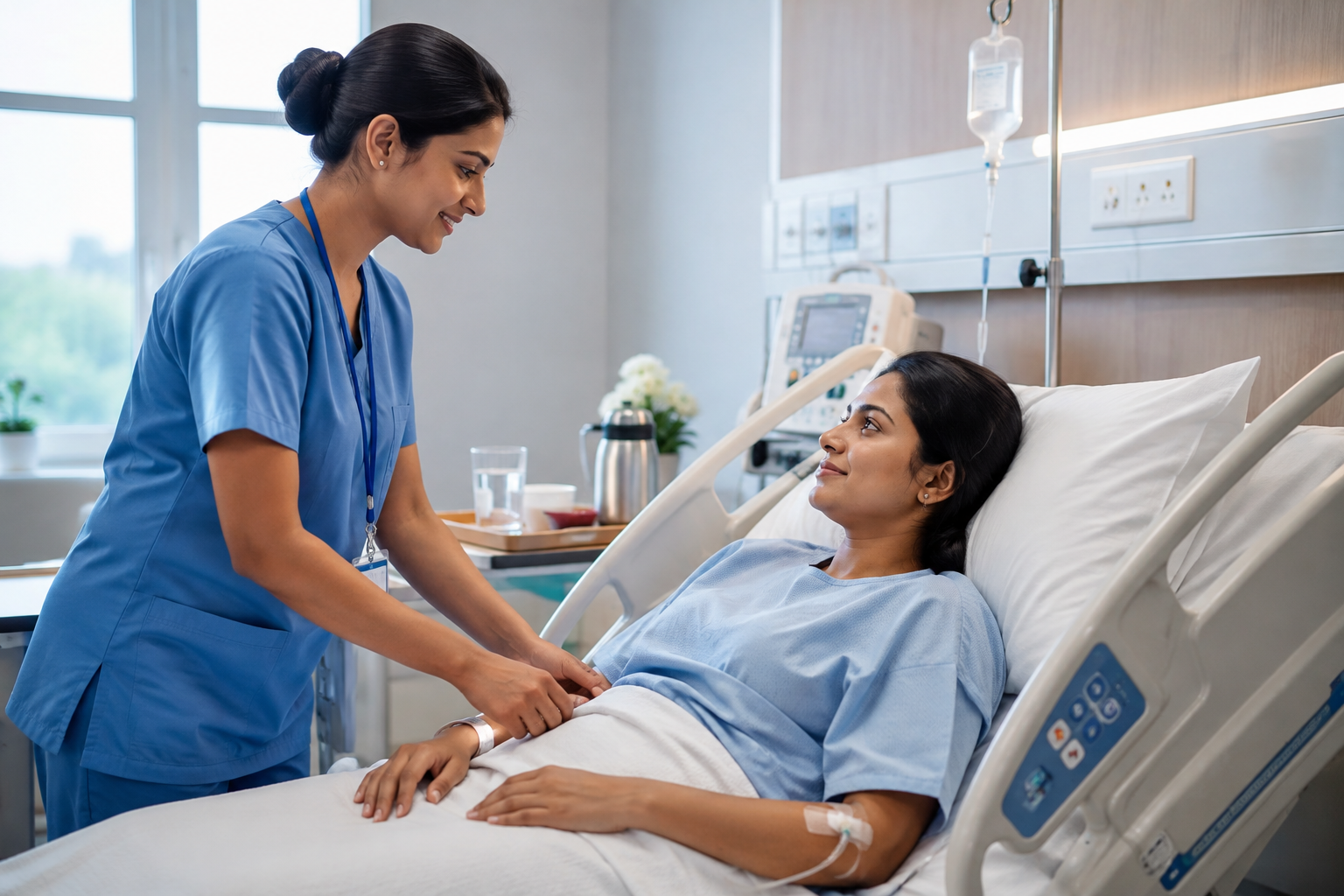
After surgery, patients are monitored for pain control, bowel function, wound healing, and overall recovery. Early mobilization, gradual resumption of oral intake, and careful observation help reduce postoperative complications and support a smooth recovery.
RECOVERY
Recovery After Laparoscopic Adhesiolysis Surgery
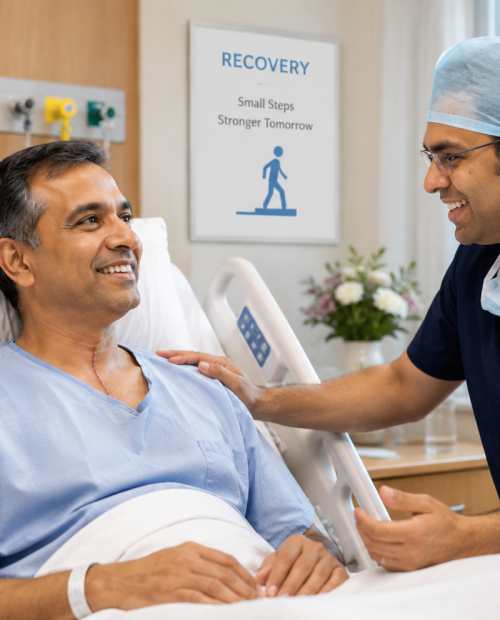
Recovery usually involves gradual activity, a light diet, wound care, prescribed medications, and follow-up while abdominal discomfort and bloating gradually improve.
01.
Hospital Stay
Most patients remain in the hospital for 1 to 3 days, depending on the complexity of the surgery and the extent of adhesions treated.
02.
Diet
Patients usually begin with clear liquids before progressing to soft foods and a regular diet as bowel function returns. Adequate hydration and a balanced diet help support recovery.
03.
Activity
Walking is encouraged within the first 24 hours after surgery. Most patients return to light daily activities within 1 to 2 weeks, while strenuous exercise and heavy lifting should be avoided for 4 to 6 weeks.
04.
Follow-up
Regular follow-up appointments are scheduled to monitor wound healing, bowel function, symptom relief, and overall recovery. Patients are also advised on measures to reduce the risk of future complications.
WHY CHOOSE DR. PRASHANTH KOYYODA?
Why Choose Dr. Prashanth Koyyoda for Laparoscopic Adhesiolysis Surgery in Hyderabad?
Adhesiolysis requires advanced laparoscopic expertise because abdominal adhesions often involve delicate organs and vital structures. Dr. Prashanth Koyyoda provides safe, precise, and minimally invasive surgical care with a focus on faster recovery and excellent long-term outcomes.
- Experienced Surgical Gastroenterologist
- Skilled GI Surgeon
- Advanced Laparoscopic Surgeon
- Expertise in Complex Adhesiolysis Procedures
- Precision-Based Minimally Invasive Surgery
- Personalized Surgical Treatment Plans
- Reduced Risk of Postoperative Complications
- Comprehensive Postoperative Follow-Up
FREQUENTLY ASKED QUESTIONS
Abdominal adhesions are bands of scar tissue that form between internal organs, usually after surgery, infection, or inflammation. They can restrict organ movement and sometimes lead to pain or bowel obstruction.
The procedure is recommended when adhesions cause chronic abdominal pain, recurrent bowel obstruction, or other significant symptoms that do not improve with conservative treatment.
For suitable patients, laparoscopic adhesiolysis offers smaller incisions, less pain, reduced blood loss, shorter hospital stays, and faster recovery compared with open surgery.
Although surgery removes existing adhesions, new adhesions can occasionally develop. Advanced laparoscopic techniques help reduce this risk but cannot eliminate it completely.
Dr. Prashanth Koyyoda is an experienced Surgical Gastroenterologist, GI Surgeon, and Advanced Laparoscopic Surgeon in Hyderabad, providing advanced Laparoscopic Adhesiolysis with minimally invasive techniques, personalized treatment, and comprehensive postoperative care.
Need Expert Laparoscopic Adhesions Release Surgery in Hyderabad?
Consult Dr. Prashanth Koyyoda, a trusted Surgical Gastroenterologist, GI Surgeon, and Advanced Laparoscopic Surgeon, for advanced Laparoscopic Adhesiolysis (Adhesions Release Surgery) with precision-based minimally invasive treatment, faster recovery, and long-term symptom relief.
Button: Book Appointment