

Gastroesophageal Reflux Disease (GERD)
Chronic Acid Reflux
Barrett's Esophagus
Hiatal Hernia
Reflux Esophagitis
Non-Cardiac Chest Pain Due to GERD
Long-Term Relief from Acid Reflux

Reduced Dependence on Medications
Prevention of Acid Damage to the Esophagus
Relief from Heartburn and Regurgitation
Improved Swallowing and Quality of Life
Smaller Incisions
Less Postoperative Pain
Faster Recovery

Preoperative Assessment
Before surgery, Dr. Prashanth Koyyoda performs a comprehensive evaluation, including upper GI endoscopy, esophageal manometry, 24-hour pH monitoring when required, barium swallow studies, blood investigations, and anesthetic fitness assessment. These tests help confirm the diagnosis and determine the most suitable surgical approach.


General Anesthesia
The procedure is performed under general anesthesia to ensure complete comfort throughout the surgery. The anesthesia team continuously monitors all vital signs to maintain maximum patient safety.
Surgical Procedure
Several small incisions are made in the abdomen to insert a laparoscope and specialized instruments. The hiatal hernia, if present, is carefully repaired by closing the widened diaphragmatic opening. The upper portion of the stomach (fundus) is then wrapped around the lower esophagus to reinforce the lower esophageal sphincter and prevent acid reflux. The wrap may be complete (Nissen Fundoplication) or partial (Toupet Fundoplication), depending on the patient's condition and esophageal function.
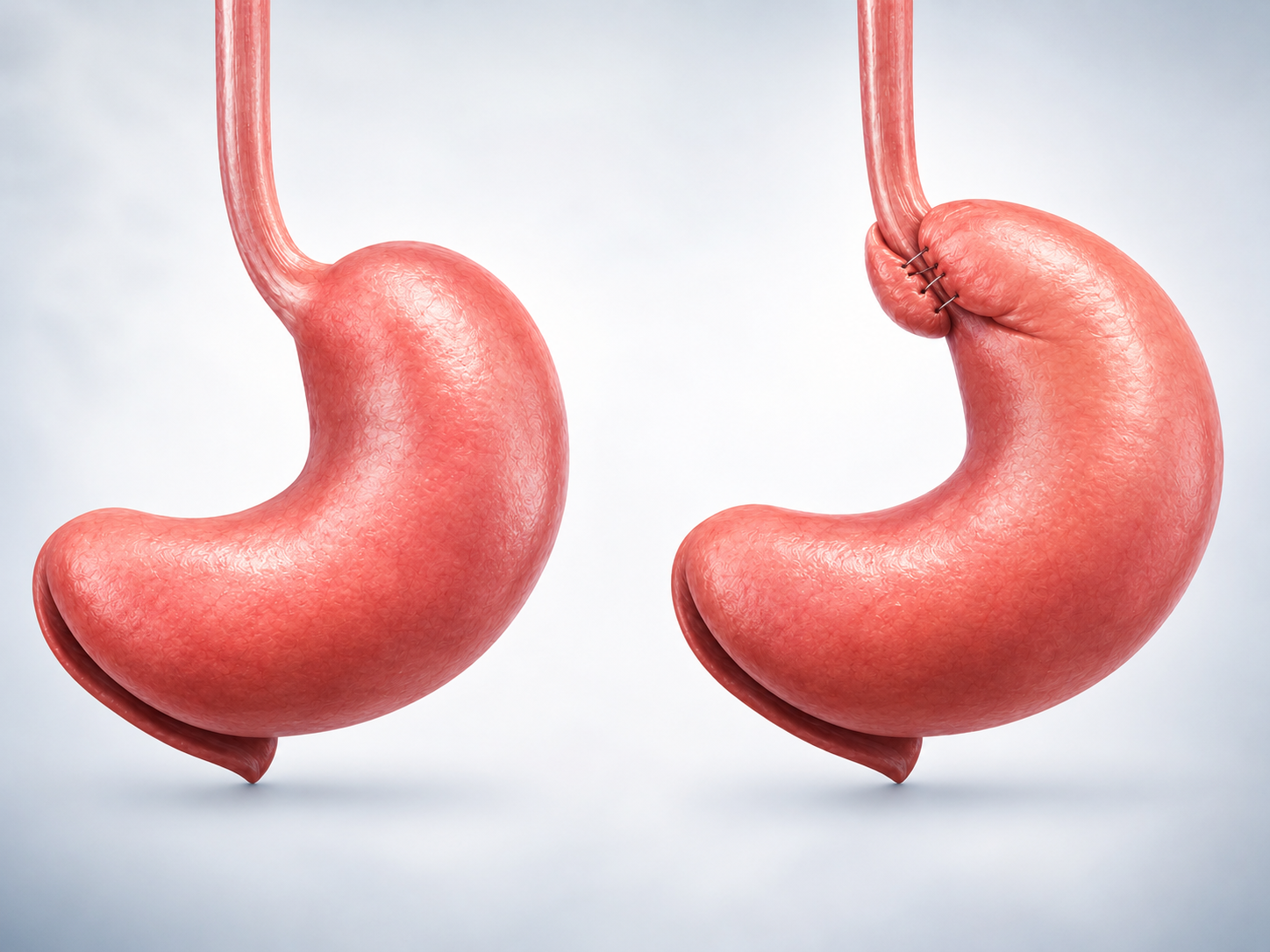
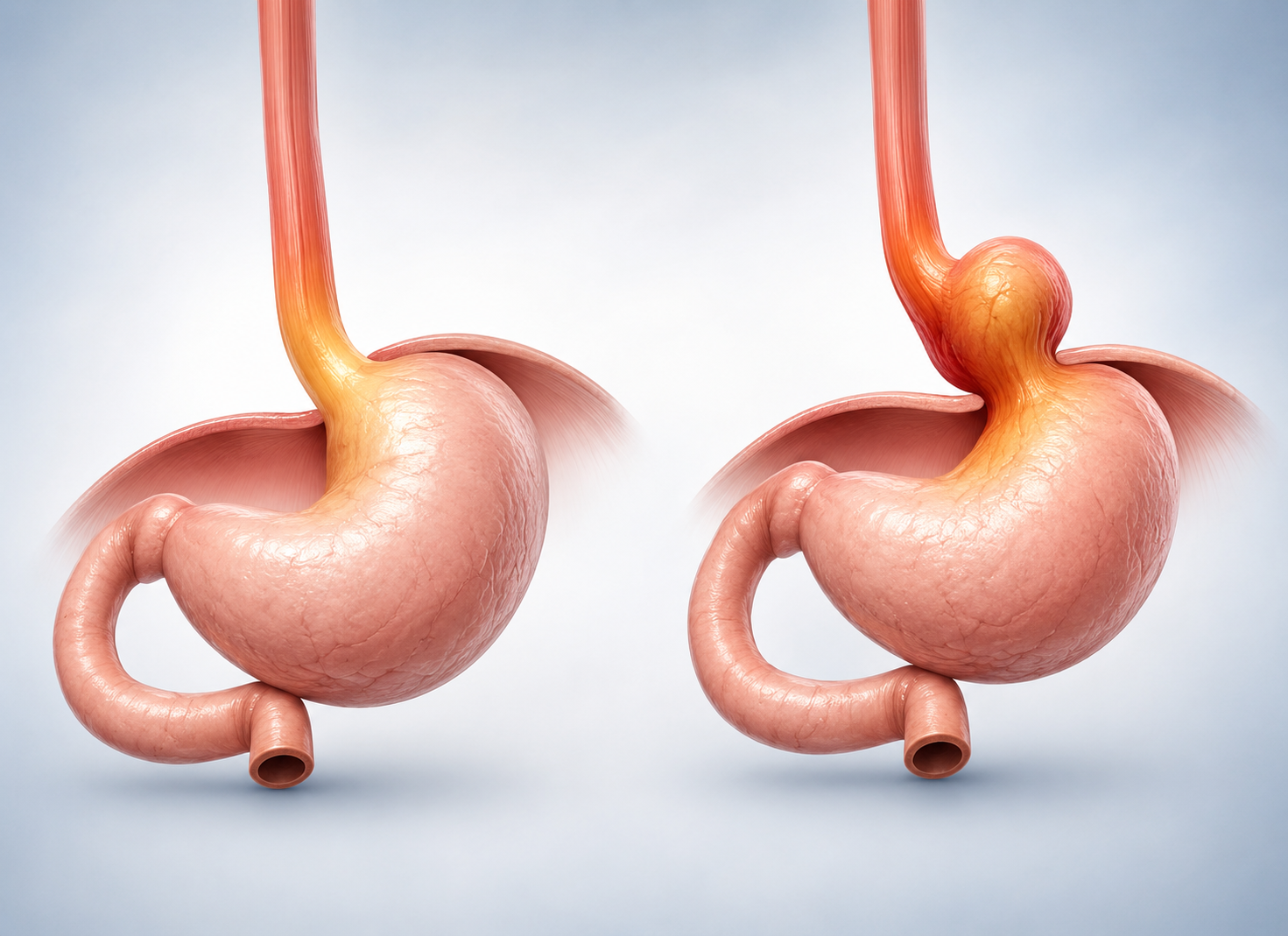
Hiatal Hernia Repair
If a hiatal hernia is present, it is repaired during the same procedure by repositioning the stomach into the abdominal cavity and reinforcing the diaphragm opening. This restores normal anatomy and improves the effectiveness of the anti-reflux surgery.
Postoperative Care
After surgery, patients are monitored for pain control, swallowing function, and recovery from anesthesia. Early mobilization is encouraged, and patients receive detailed dietary instructions to allow gradual healing of the surgical repair.