
Inguinal Hernia
Femoral Hernia
Ventral Hernia
Bilateral Inguinal Hernia
Umbilical Hernia
Incisional Hernia
Smaller Incisions

Less Postoperative Pain
Minimal Blood Loss
Reduced Risk of Wound Infection
Faster Recovery
Shorter Hospital Stay
Minimal Scarring
Earlier Return to Daily Activities

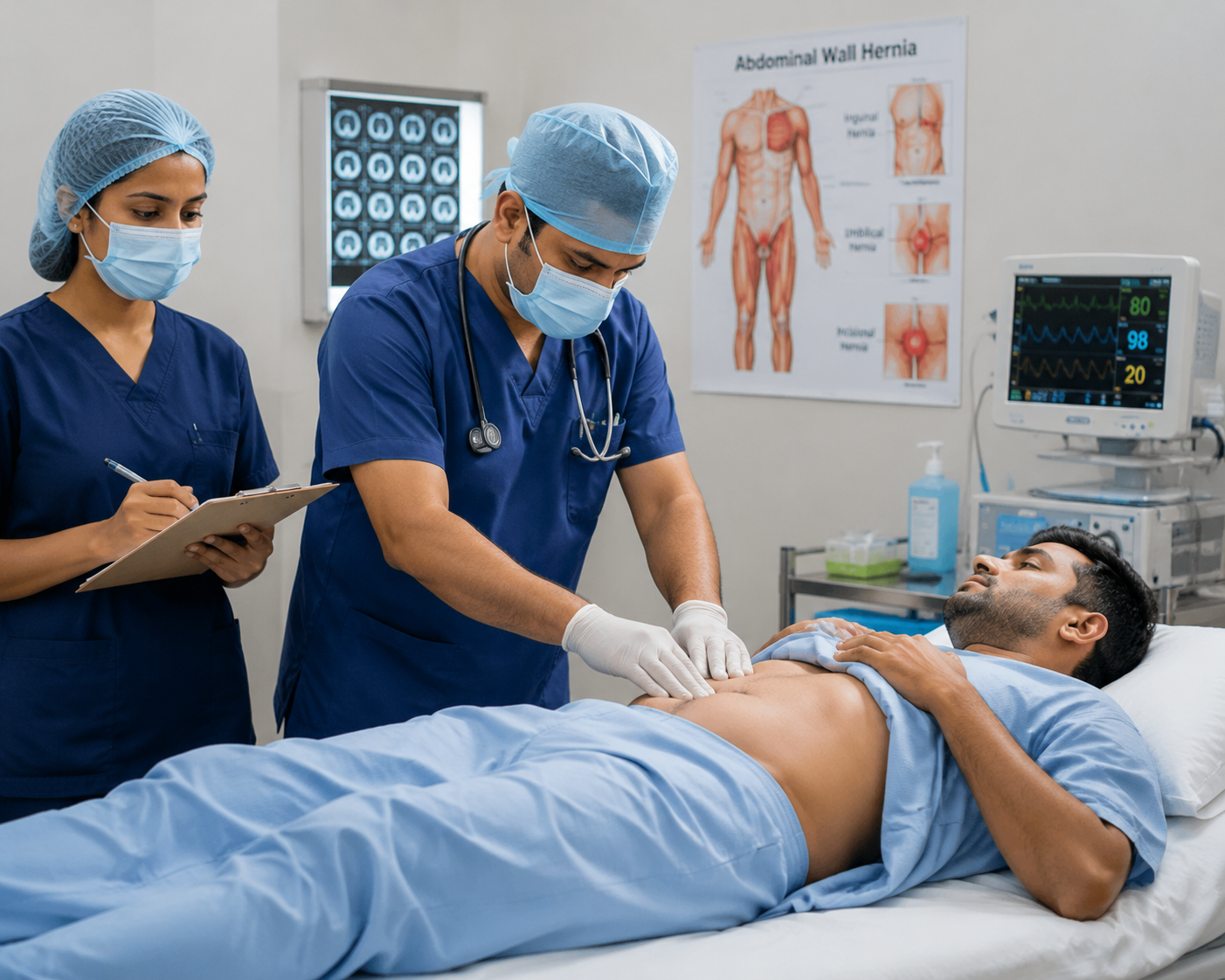
Preoperative Assessment
Before surgery, Dr. Prashanth Koyyoda performs a detailed clinical examination along with blood investigations and imaging studies such as ultrasound or CT scan when necessary. Medical history, previous surgeries, and anesthetic fitness are carefully evaluated to determine the most appropriate surgical technique.
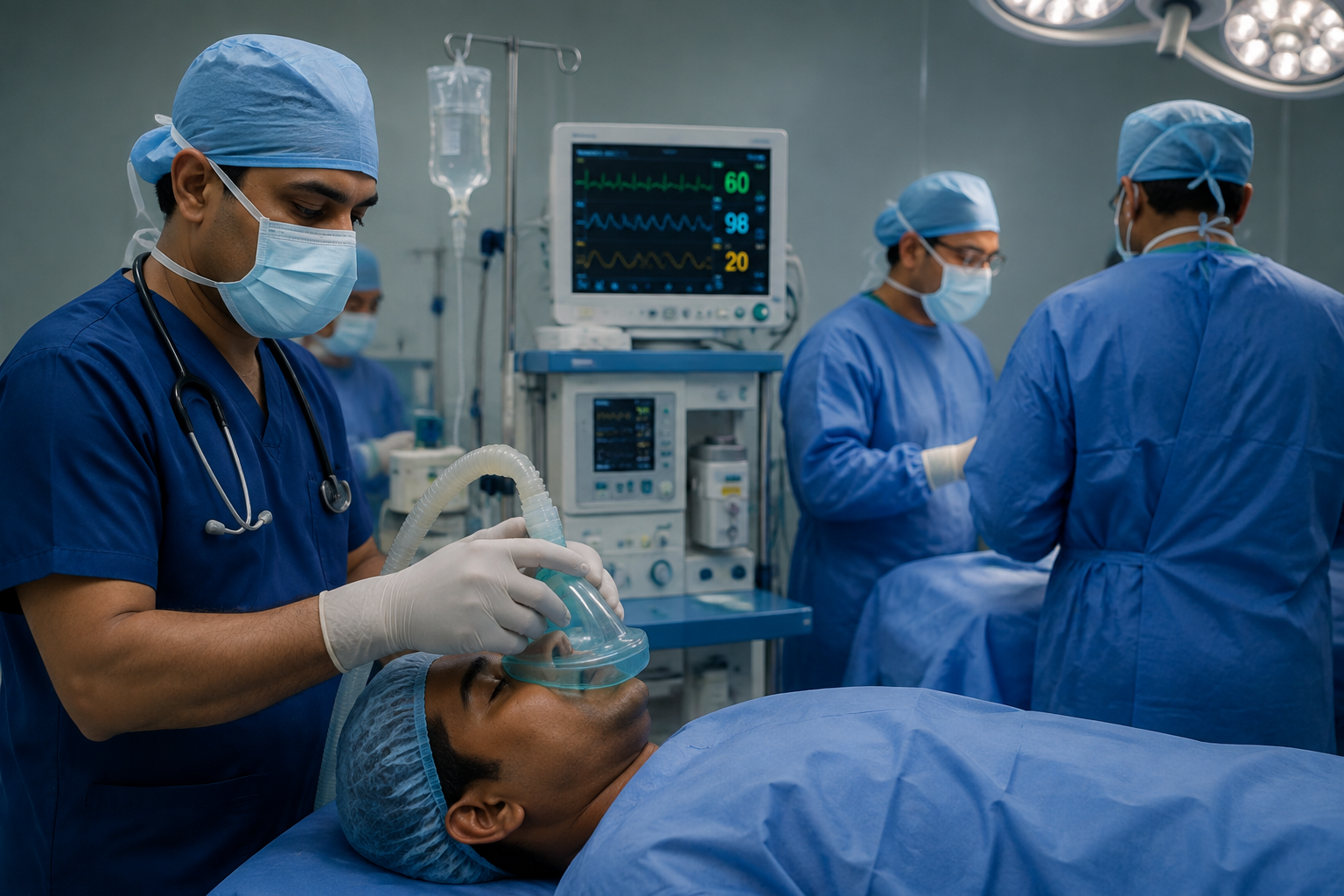
General Anesthesia
Laparoscopic hernia repair is performed under general anesthesia to ensure complete patient comfort throughout the procedure. The anesthesia team continuously monitors all vital parameters during surgery.
Surgical Procedure
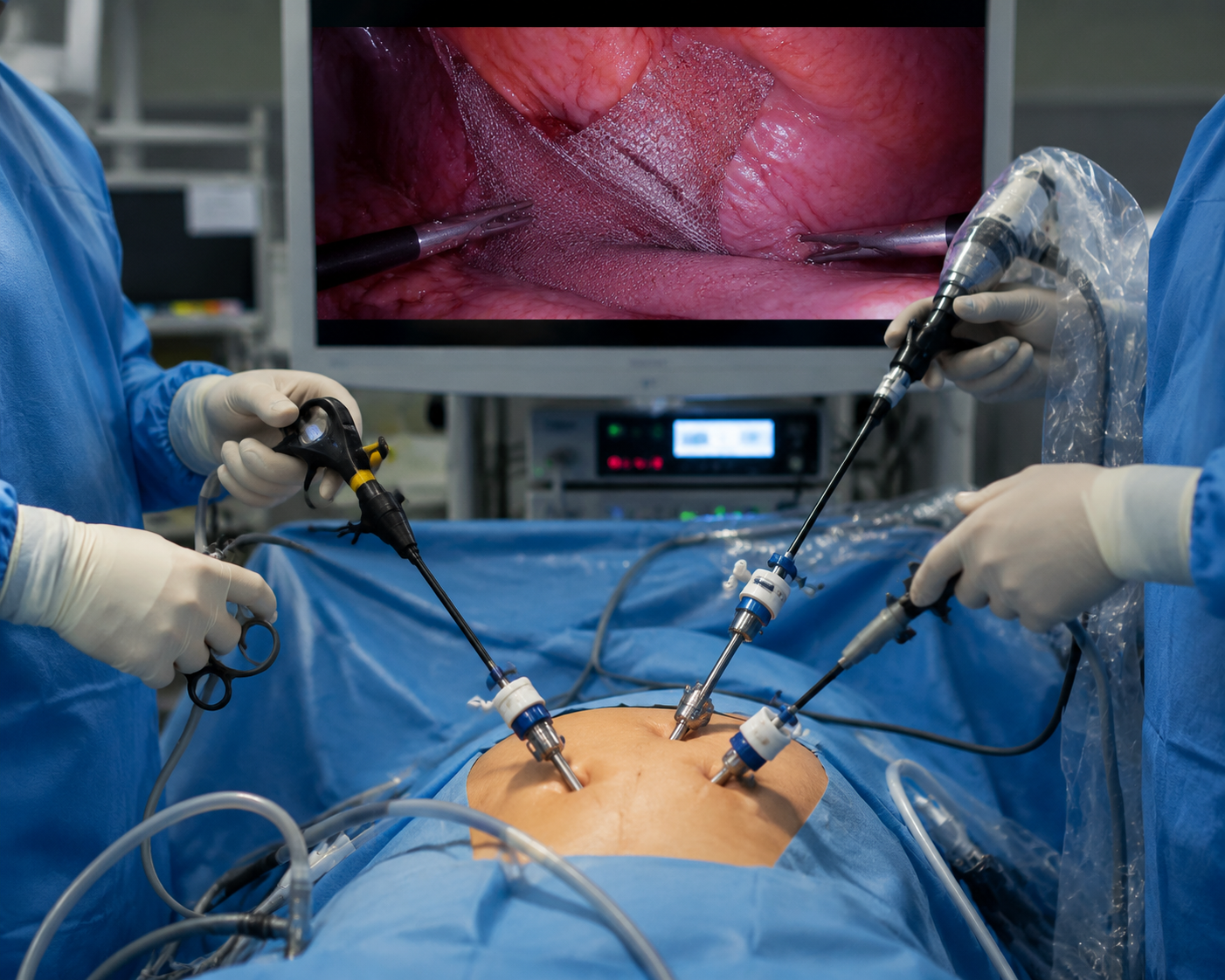
Small incisions are made in the abdomen, and a laparoscope equipped with a high-definition camera is inserted to visualize the hernia. Specialized instruments are used to gently reposition the protruding tissue back into the abdominal cavity. A surgical mesh is then placed over the weakened area and securely fixed to reinforce the abdominal wall, reducing the likelihood of recurrence. The small incisions are closed with sutures or surgical glue for optimal healing.
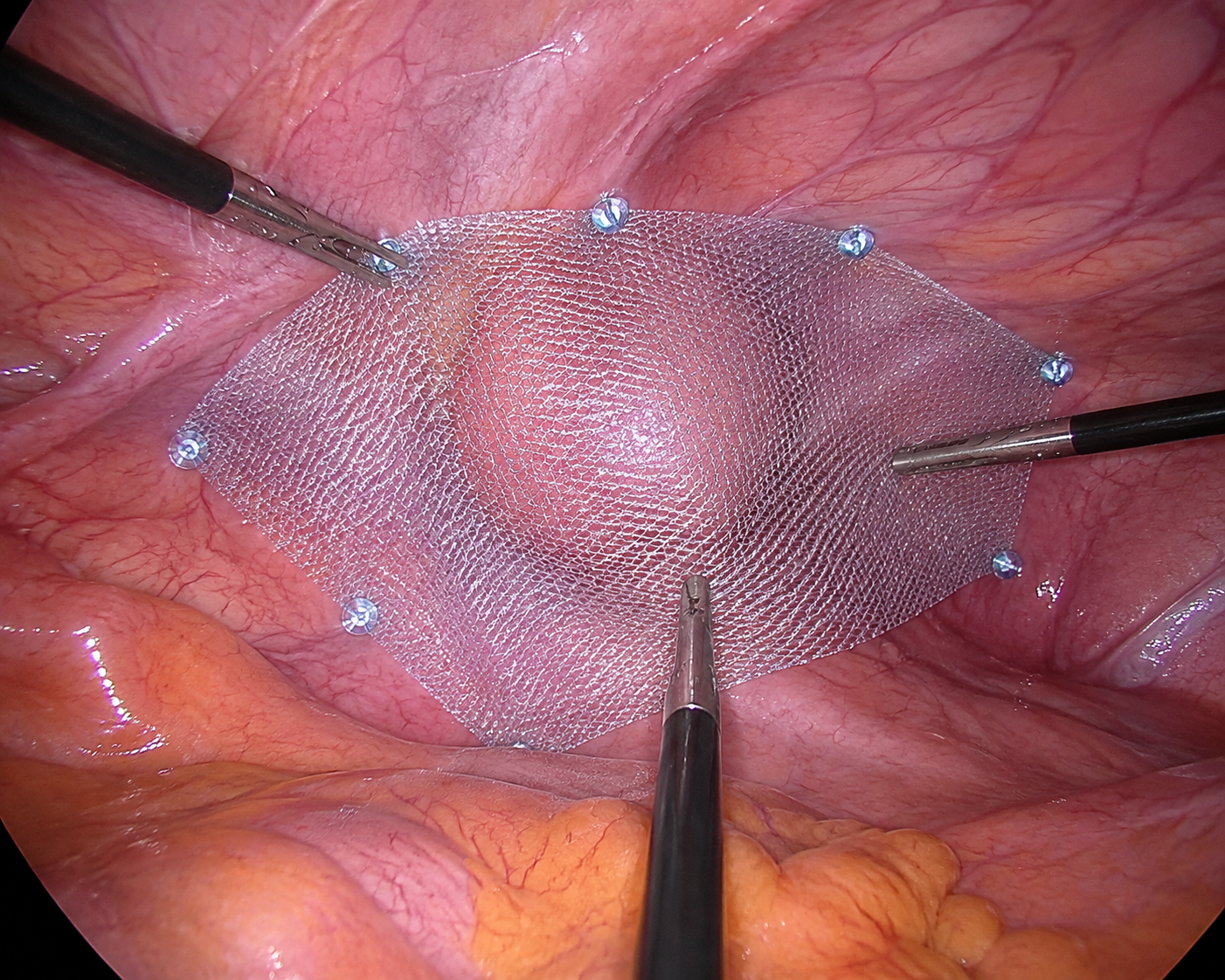
Mesh Placement
A high-quality surgical mesh is carefully positioned to strengthen the weakened abdominal wall. Mesh reinforcement provides durable support, promotes tissue healing, and significantly reduces the risk of the hernia returning.
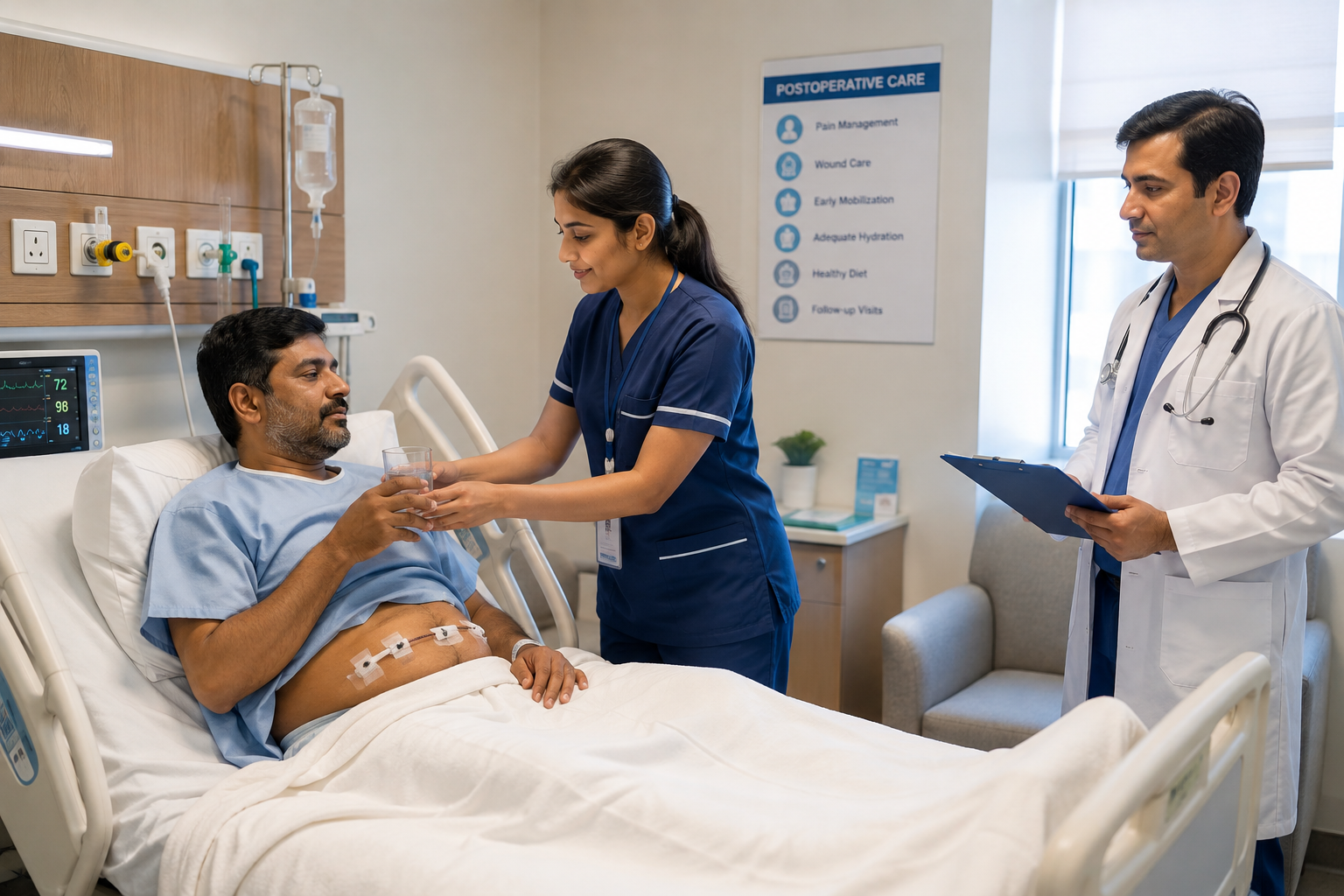
Postoperative Care
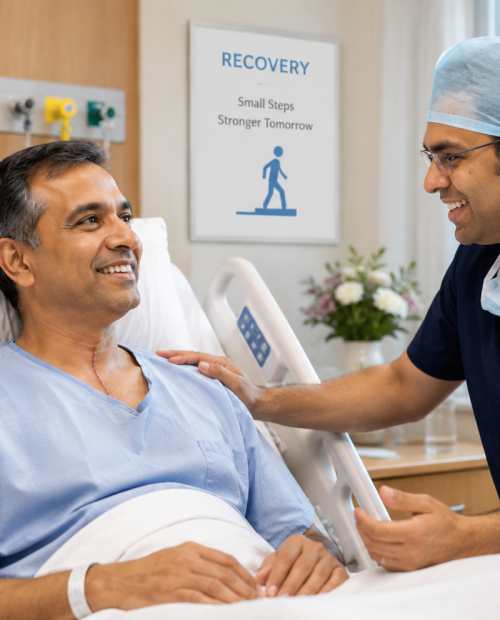
Following surgery, patients are monitored for pain control, mobility, and overall recovery. Early walking is encouraged to reduce the risk of complications. Most patients are discharged within a day, along with instructions regarding wound care, activity restrictions, and follow-up visits.