

Persistent Upper Right Abdominal Pain

Jaundice (Yellowing of Skin & Eyes)
Unexplained Weight Loss
Loss of Appetite
Nausea and Vomiting
Abdominal Swelling
Fever
Fatigue
Gallstones
Chronic Gallbladder Inflammation
Gallbladder Polyps
Porcelain Gallbladder
Bile Duct Abnormalities
Obesity
Increasing Age
Family History of Gallbladder Cancer

Clinical Evaluation
CT Scan
Blood Tests & Liver Function Tests
Abdominal Ultrasound
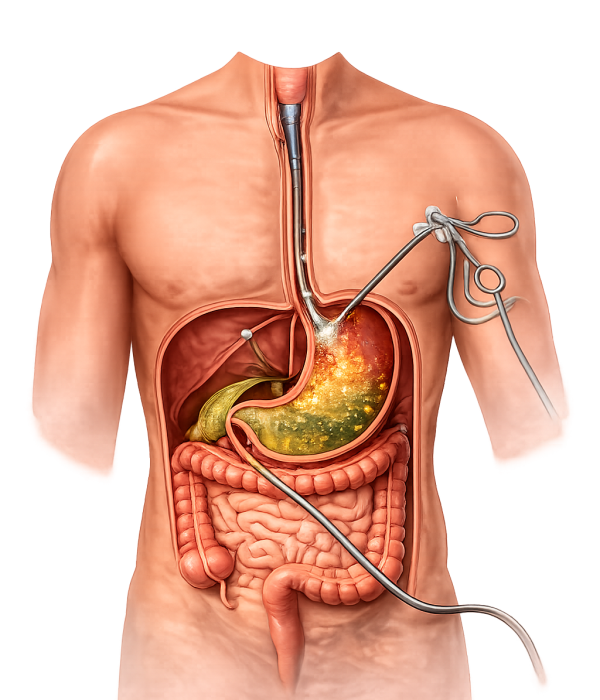
Comprehensive Cancer Evaluation
Every patient undergoes a detailed assessment, including imaging studies, laboratory investigations, biopsy reports, and cancer staging. This helps develop a personalized treatment plan for the best possible outcome.
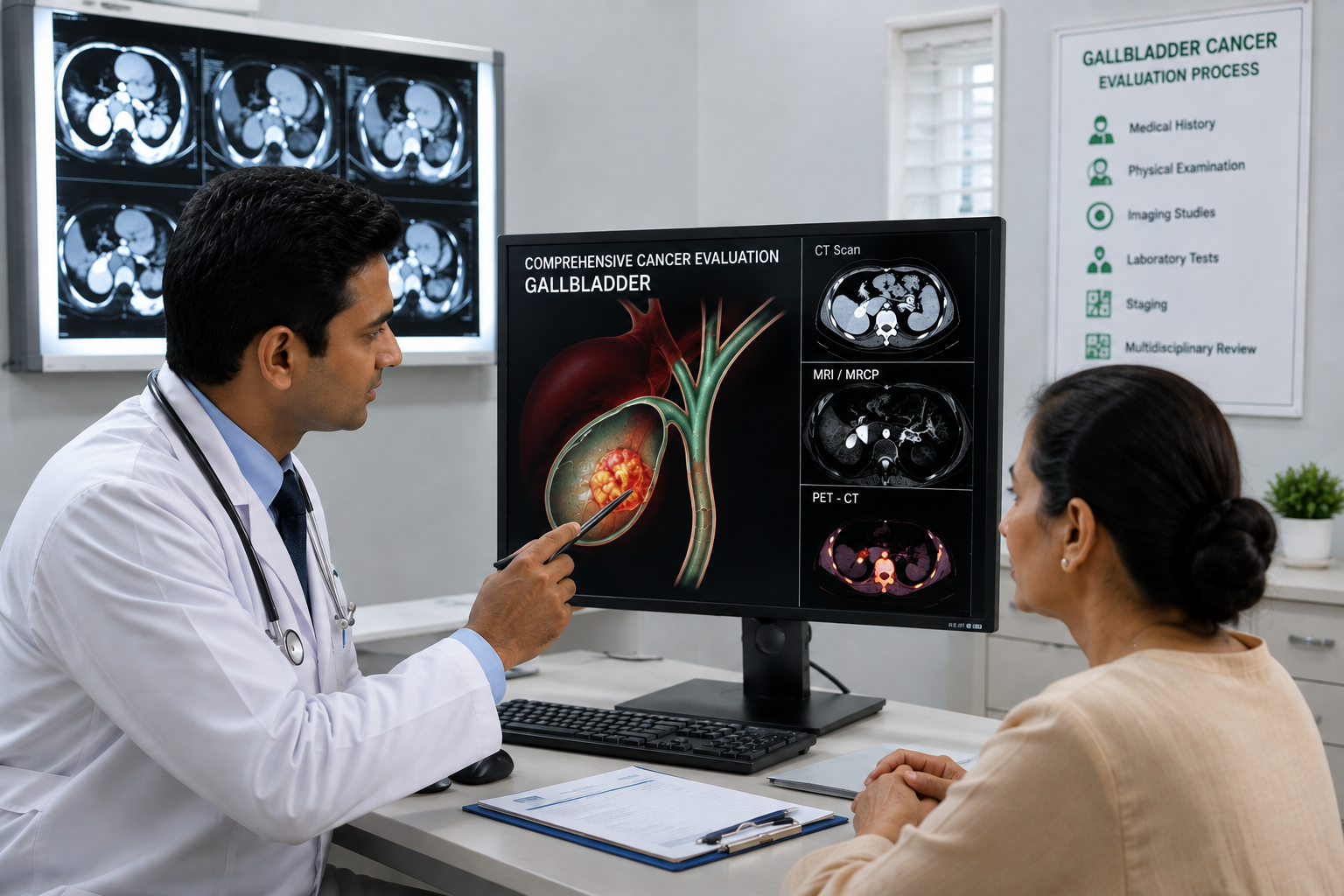
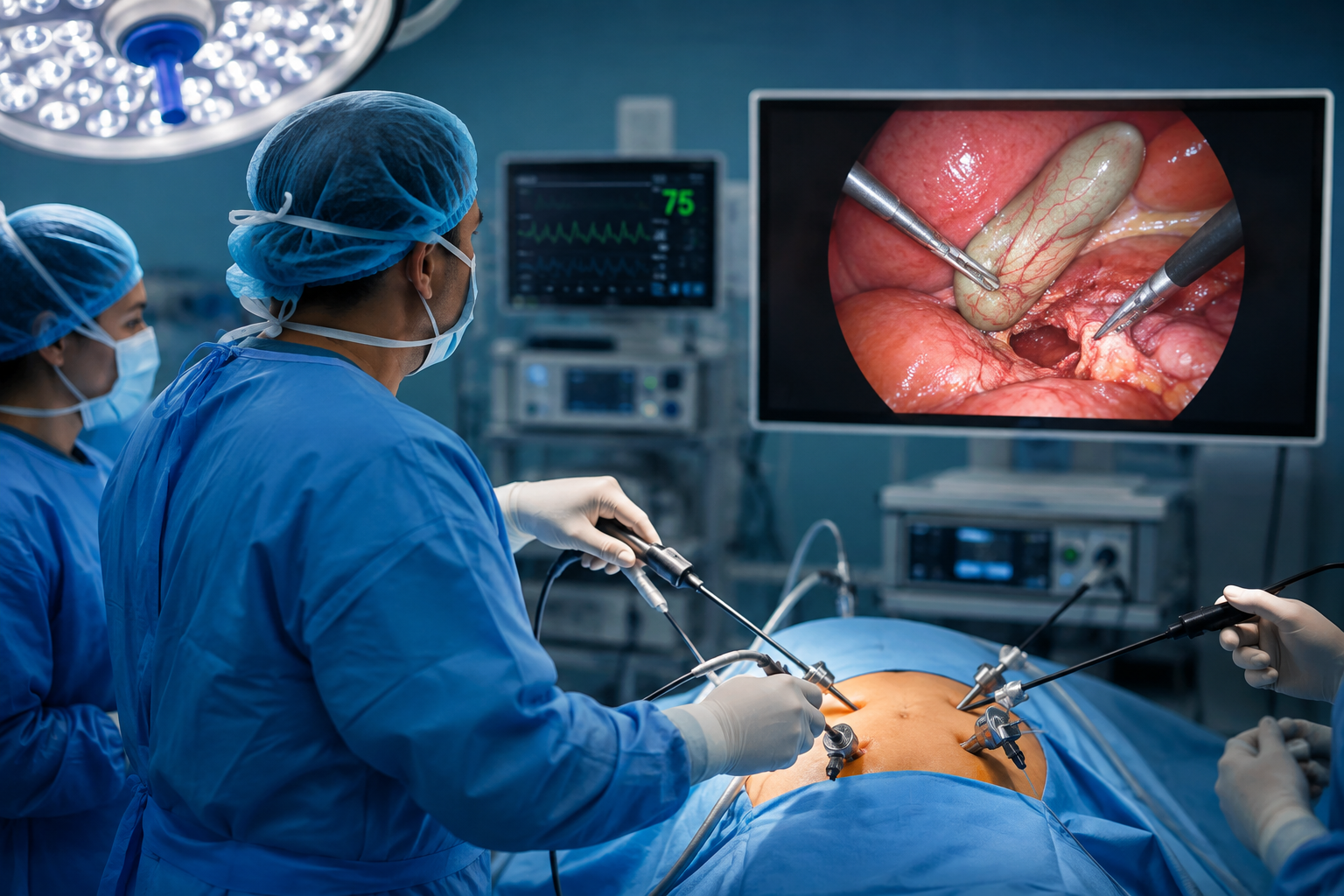
Minimally Invasive Gallbladder Cancer Surgery
For localized gallbladder cancer, surgery is the primary treatment. Depending on the stage, the gallbladder along with surrounding tissues or nearby lymph nodes may be removed. Minimally invasive surgical techniques are used whenever appropriate to reduce pain, minimize scarring, and promote faster recovery.
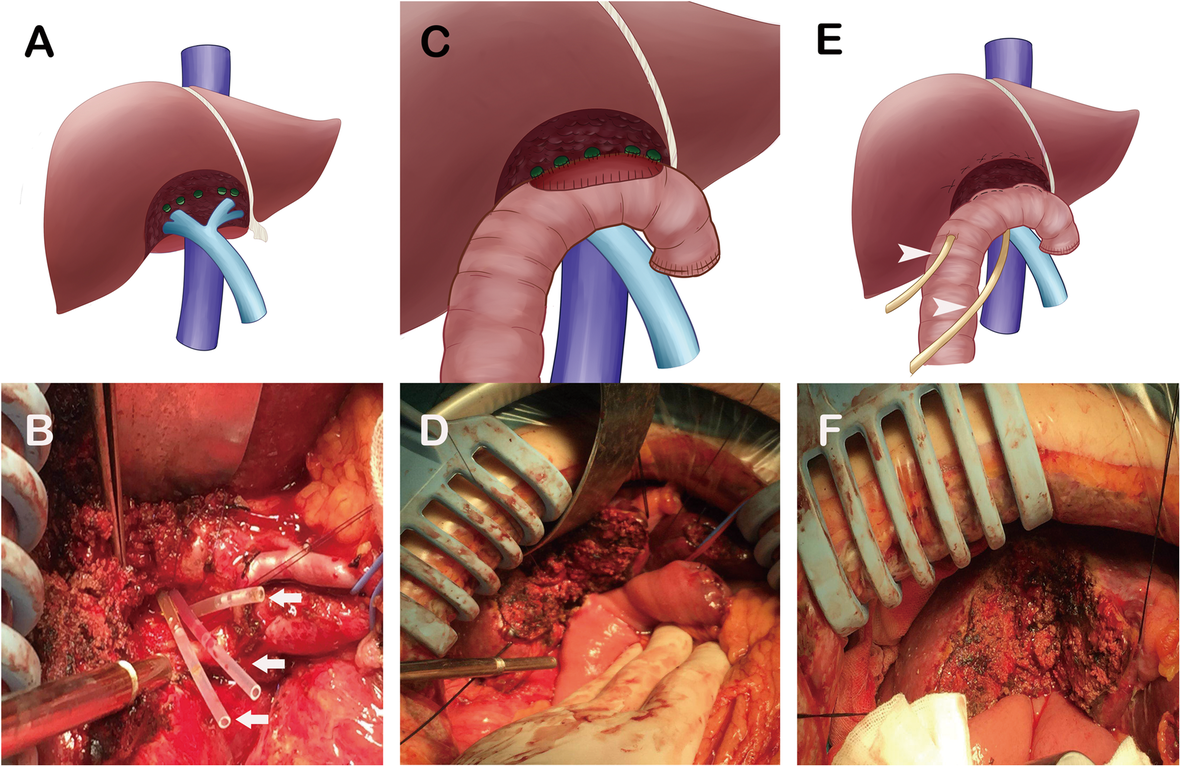
Liver & Biliary Reconstruction Surgery
If the cancer has spread to nearby bile ducts or liver tissue, advanced hepatobiliary surgical procedures may be required to remove the affected areas while preserving as much healthy tissue as possible.
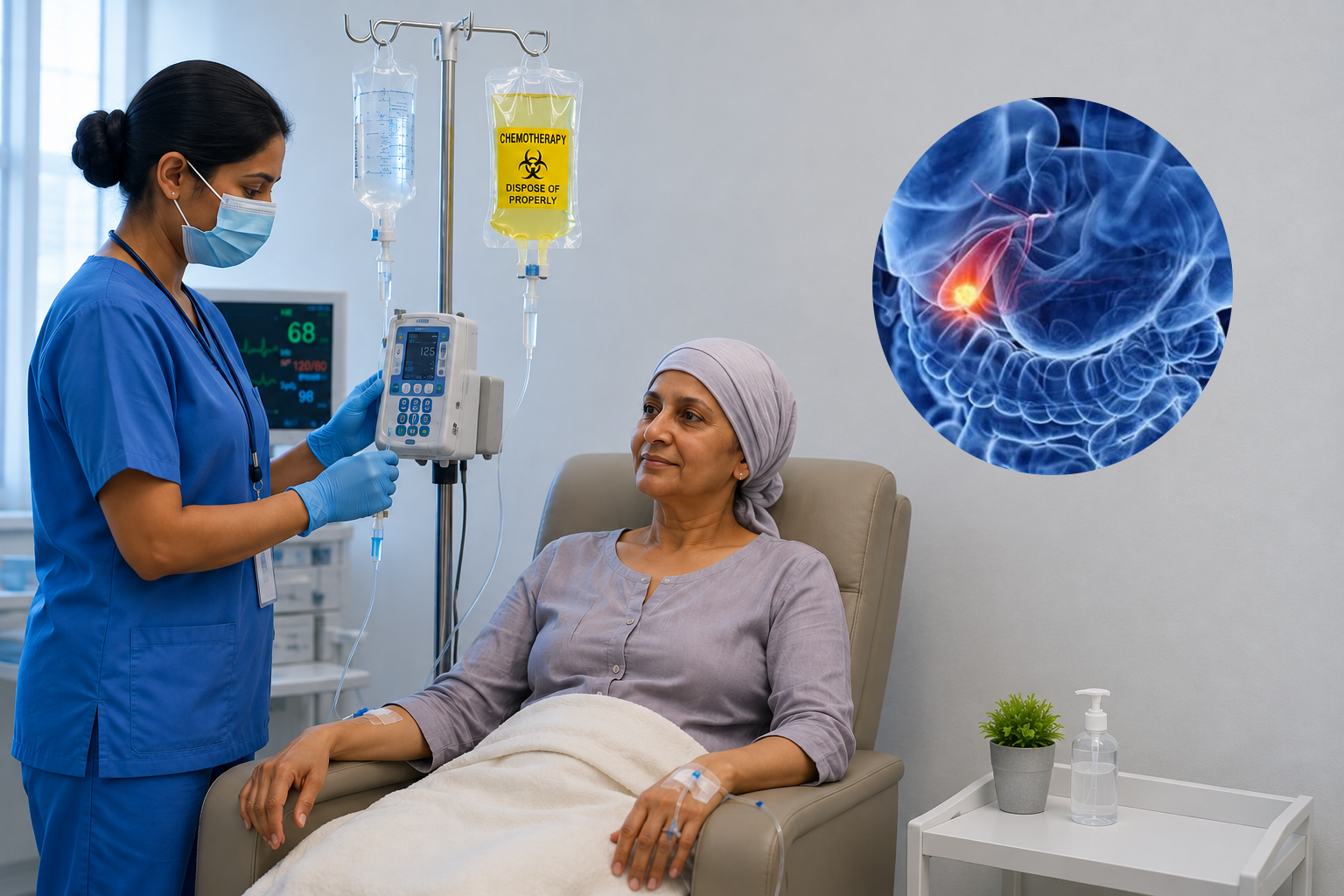
Chemotherapy & Targeted Therapy
Chemotherapy may be recommended before or after surgery to reduce the risk of recurrence or manage advanced-stage disease. Targeted therapies and immunotherapy may also be considered for selected patients based on individual cancer characteristics.
Long-Term Cancer Follow-Up
Regular follow-up visits, imaging studies, liver function monitoring, and clinical evaluations are essential after treatment to monitor recovery, detect recurrence early, and maintain long-term health.