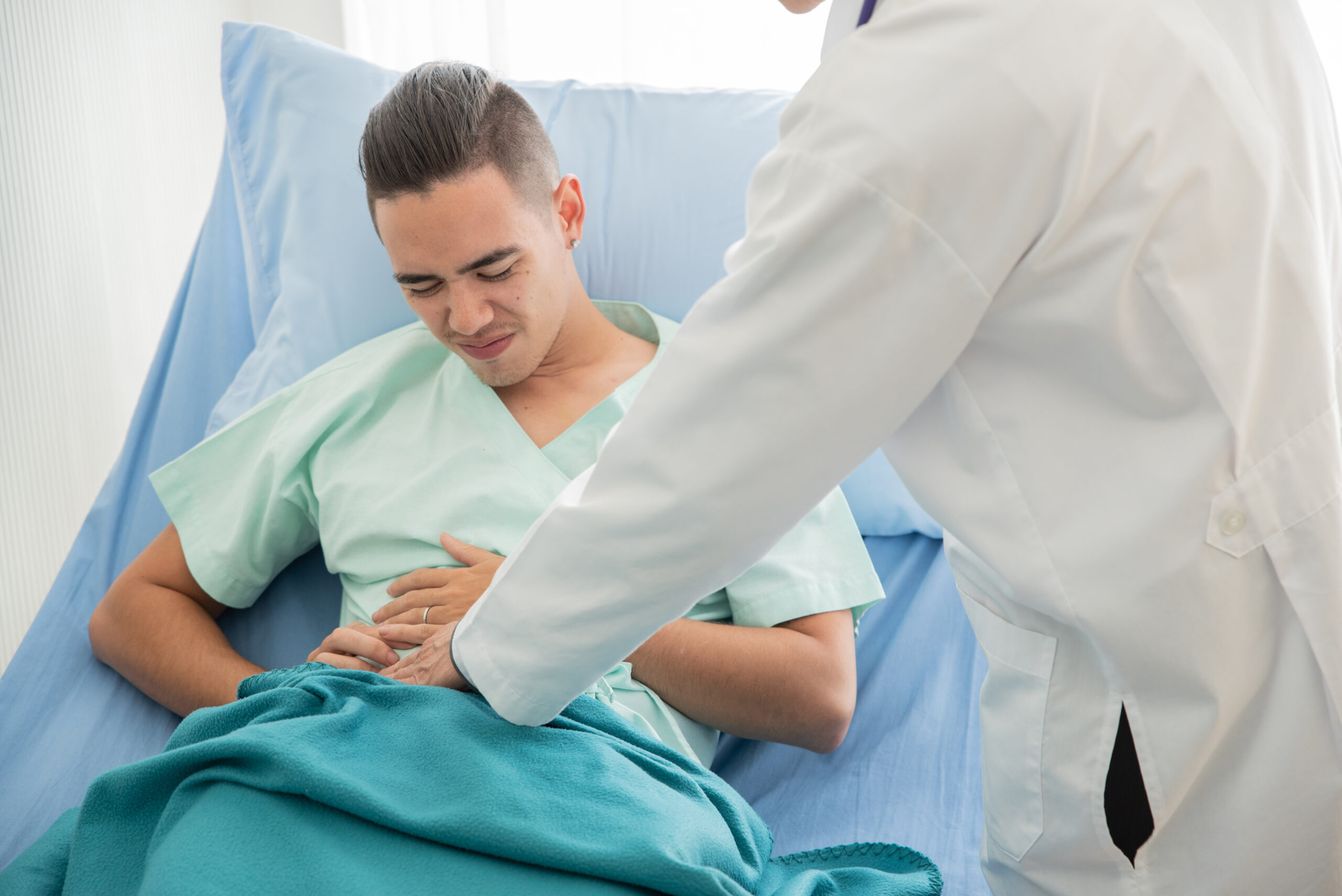
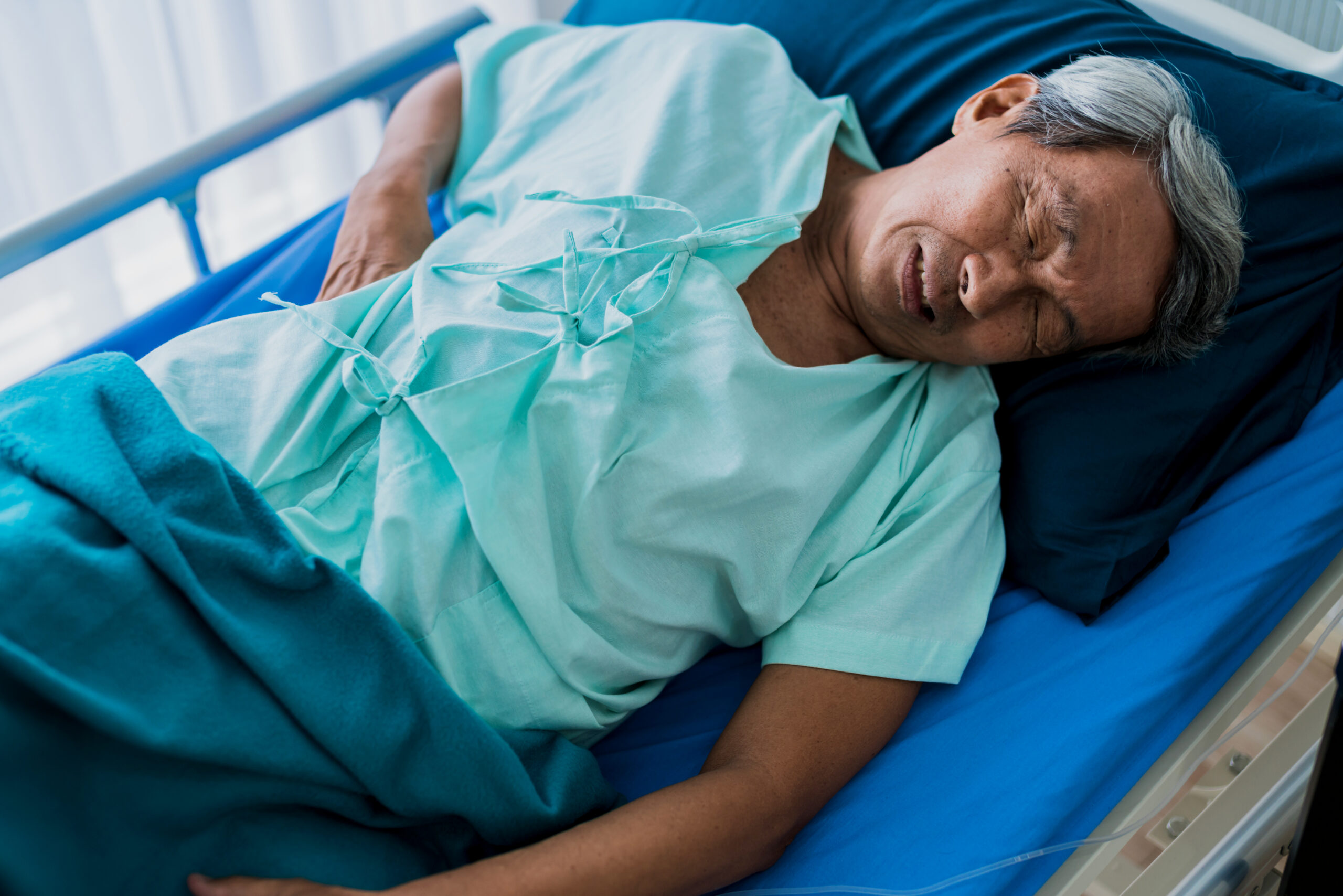
ulcerative colitis Dr. Prashanth Koyyoda offers expert care in the management of ulcerative colitis, providing personalized treatment plans for patients dealing with chronic inflammation of the colon. Utilizing both advanced medical therapies and surgical options when necessary, he ensures effective symptom control with minimal discomfort and better quality of life. With a strong emphasis on long-term remission and patient safety, Dr. Koyyoda is recognized as a leading specialist for ulcerative colitis treatment in Hyderabad. His timely and tailored interventions help reduce flare-ups, prevent complications like bleeding or perforation, and restore digestive comfort and peace of mind.
Exploring the Causes & Risk Factors of Ulcerative Colitis
Understanding the causes of Ulcerative Colitis is crucial for proper prevention, timely intervention, and overall well-being.
Immune System Dysfunction
An overactive immune system mistakenly attacks the colon’s lining, causing chronic inflammation, ulcers, and digestive distress. Autoimmune responses play a major role in disease progression.
Genetic & Family History
Individuals with a family history of ulcerative colitis have a higher risk. Specific genetic markers may predispose certain people to develop the condition.
Environmental & Lifestyle Triggers
Stress, infections, smoking cessation, or dietary factors can trigger flare-ups. Urban living and exposure to certain pollutants may also contribute to disease onset.
Symptoms of Ulcerative Colitis
Chronic Diarrhea
Frequent loose stools with blood or mucus.
Abdominal Pain
Cramping and discomfort in the lower belly.
Rectal Bleeding
Blood in stools or after bowel movements.
Unexplained Weight Loss
Rapid loss of body weight and appetite.
Fatigue & Weakness
Persistent tiredness and low energy levels.
Urgent Bowel Movements
Sudden need to pass stool frequently.
Treatment goals for ulcerative colitis
Manage inflammation and improve life with personalized colitis treatment
Medications & Anti-Inflammatory Drugs : Aminosalicylates, corticosteroids, and immunosuppressants help reduce inflammation. Biologic therapies target the immune response to control symptoms.
Dietary & Lifestyle Modifications :A low-fiber, anti-inflammatory diet can prevent flare-ups. Managing stress, staying hydrated, and avoiding trigger foods support gut health.
Minimally Invasive Procedures :Endoscopic therapies, such as dilation or localized treatments, help manage strictures. These procedures reduce the need for major surgery.
Surgical Intervention (Colectomy):In severe cases, removal of the colon (colectomy) may be required. Surgery provides a long-term solution when medications fail to control symptoms.
Your Questions Answered,
Simple and Clear
Find quick answers to common questions about our services, procedures, and patient care for your convenience.