
Best Trauma Surgery in Hyderabad

Expert Emergency Gastrointestinal Trauma Care by Dr. Prashanth Koyyoda

Emergency abdominal injuries require immediate surgical expertise to prevent life-threatening complications. Dr. Prashanth Koyyoda, an experienced Surgical Gastroenterologist, GI Surgeon, and Advanced Laparoscopic Surgeon in Hyderabad, provides comprehensive Trauma Surgery for injuries involving the stomach, intestines, liver, pancreas, spleen, and other abdominal organs, delivering prompt diagnosis, emergency intervention, and advanced postoperative care.

ABOUT THE PROCEDURE

What is Trauma Surgery?

Trauma Surgery is a specialized surgical field focused on the emergency treatment of injuries caused by road traffic accidents, falls, sports injuries, workplace accidents, penetrating wounds, and blunt abdominal trauma. Gastrointestinal trauma can affect vital organs such as the stomach, small intestine, colon, liver, pancreas, spleen, diaphragm, and bile ducts, leading to internal bleeding, organ perforation, or life-threatening infections. The primary goal of trauma surgery is to control bleeding, repair damaged organs, prevent complications, and stabilize the patient. Dr. Prashanth Koyyoda offers expert surgical management of abdominal trauma using evidence-based techniques and multidisciplinary critical care.

CONDITIONS TREATED

Conditions Treated with Trauma Surgery

Trauma surgery is performed to manage a wide range of abdominal and gastrointestinal emergencies.

surgery

Blunt Abdominal Trauma

surgery

Small Intestinal Injury

surgery

Stomach Perforation Due to Trauma

surgery

Penetrating Abdominal Trauma

surgery

Colon Injury

surgery

Liver Trauma

BENEFITS OF SURGERY

Benefits of Trauma Surgery

Prompt surgical intervention significantly improves survival and reduces the risk of life-threatening complications.

surgery

Rapid Control of Internal Bleeding

surgery (1)

Repair of Damaged Abdominal Organs

surgery (1)

Prevention of Severe Infection

surgery (1)

Preservation of Organ Function

surgery (1)

Stabilization of Critically Injured Patients

surgery (1)

Reduced Risk of Shock

surgery

Advanced Critical Care Support

surgery (1)

Faster Recovery with Timely Treatment

HOW IS THE PROCEDURE PERFORMED?

How is Trauma Surgery Performed?

Esophageal cancer surgery removes the affected esophagus, nearby lymph nodes, and reconstructs digestion by connecting the stomach to remaining esophagus.

Emergency Assessment

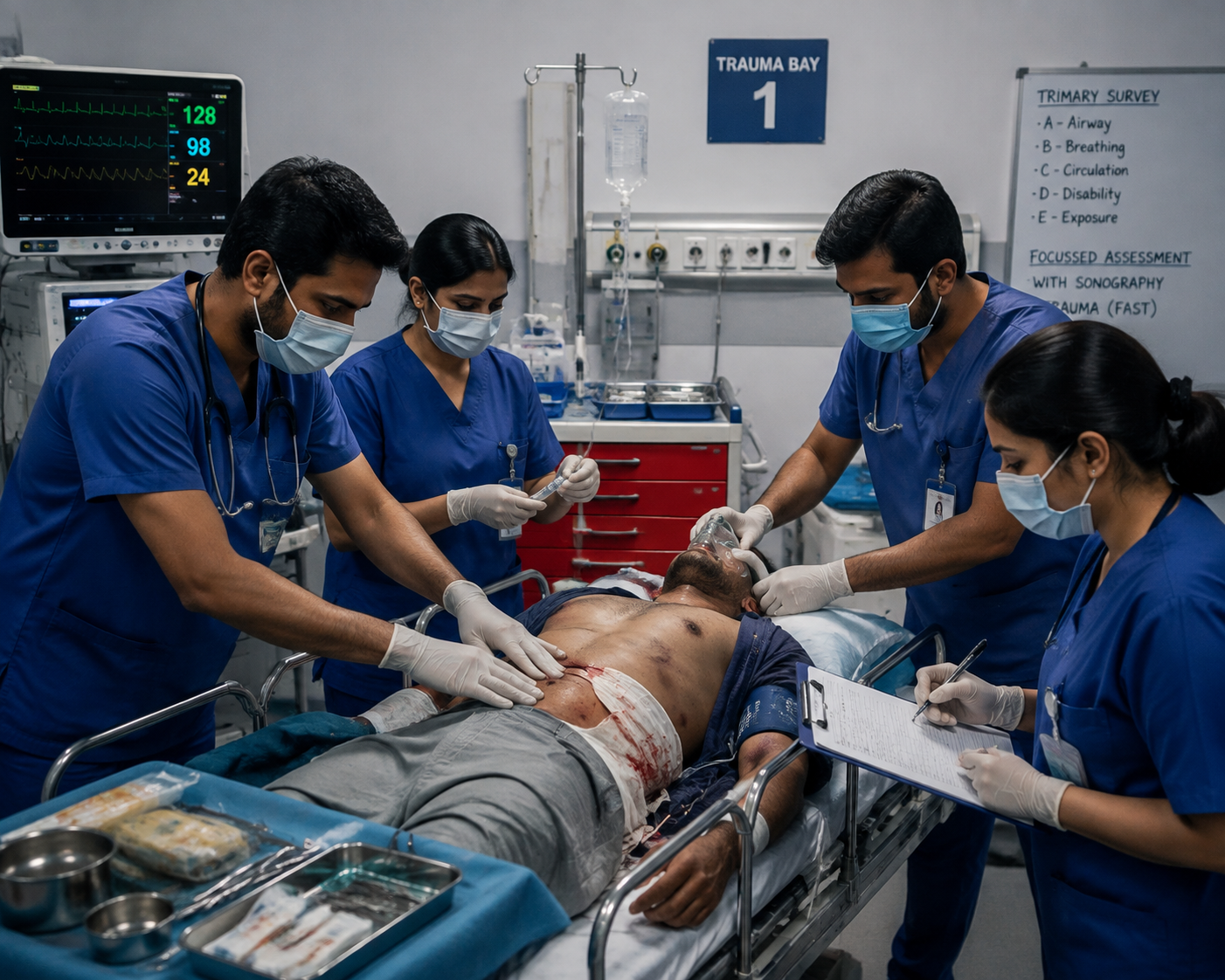
Upon arrival, Dr. Prashanth Koyyoda performs a rapid trauma assessment, including physical examination, blood investigations, ultrasound (FAST scan), CT scan, X-rays, and other emergency imaging studies. The patient's airway, breathing, circulation, and overall stability are immediately evaluated.
General Anesthesia

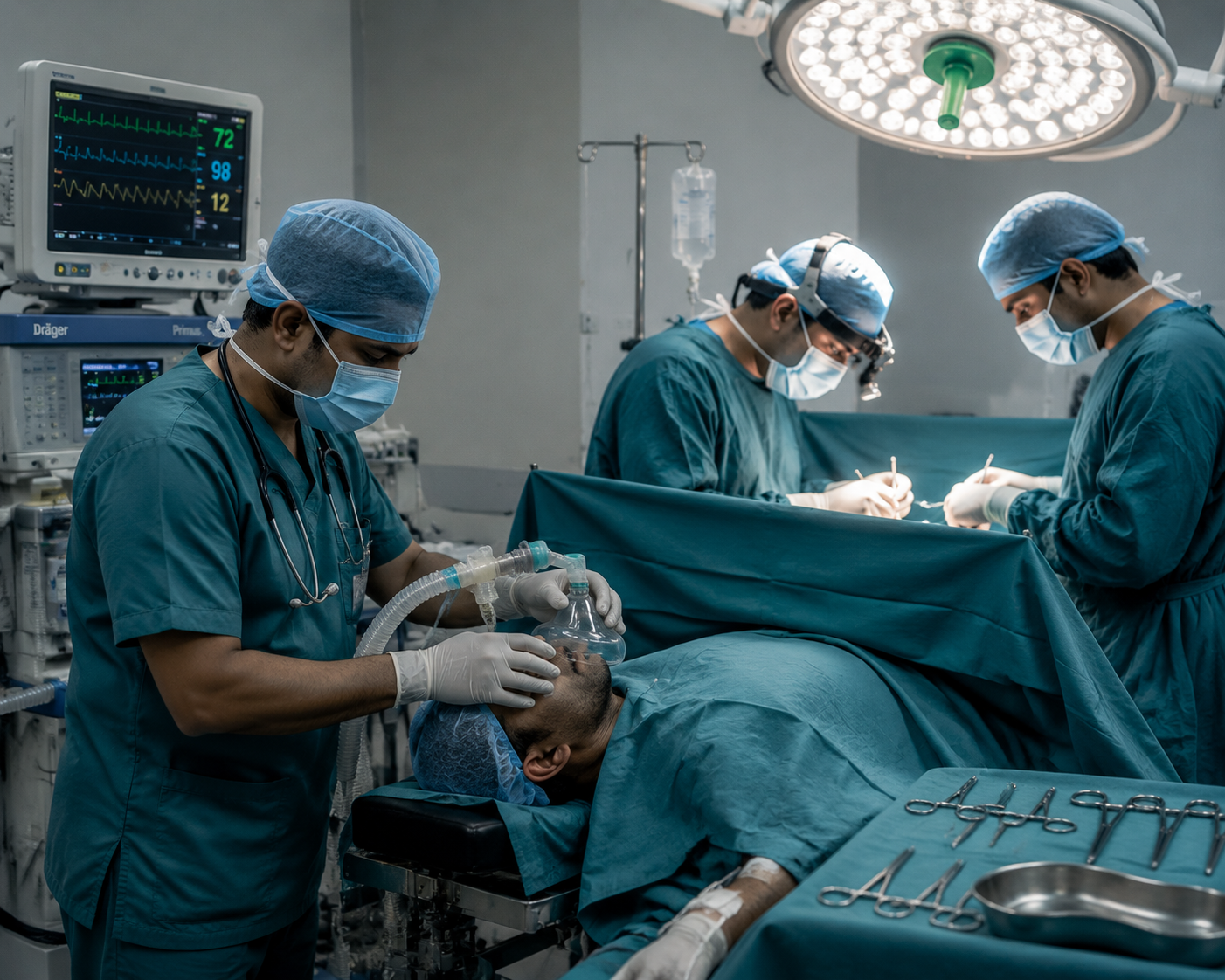
Emergency trauma surgery is performed under general anesthesia, allowing the surgical team to safely repair life-threatening injuries.

Surgical Procedure

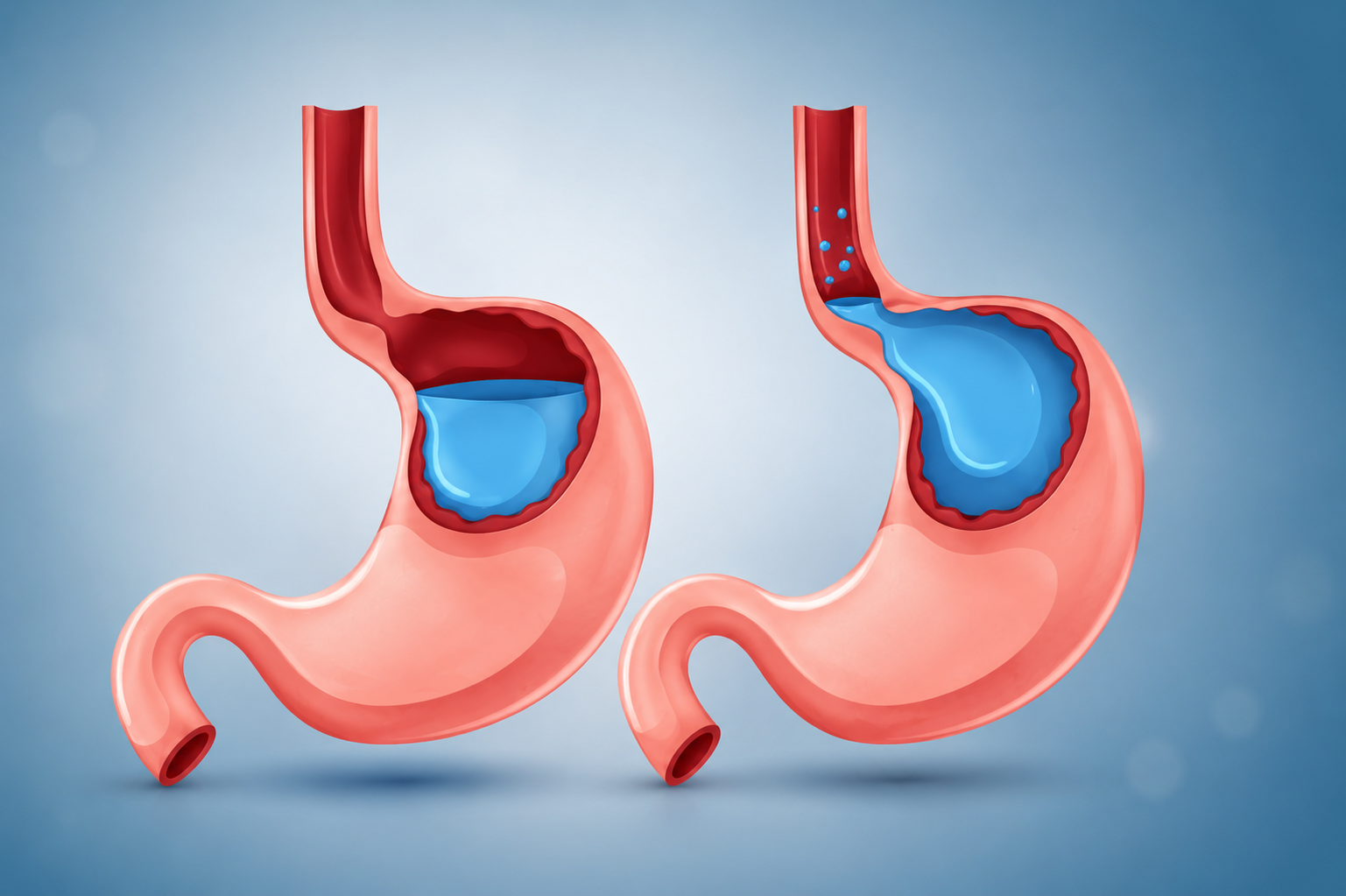
Depending on the nature of the injury, surgery may involve controlling internal bleeding, repairing perforations, removing damaged tissue, repairing injured organs, or removing severely damaged organs when necessary. Injuries to the stomach, intestines, liver, pancreas, spleen, and bile ducts are treated using established trauma surgery principles. Whenever appropriate and safe, minimally invasive techniques may be considered for selected stable patients.
Organ Repair and Reconstruction

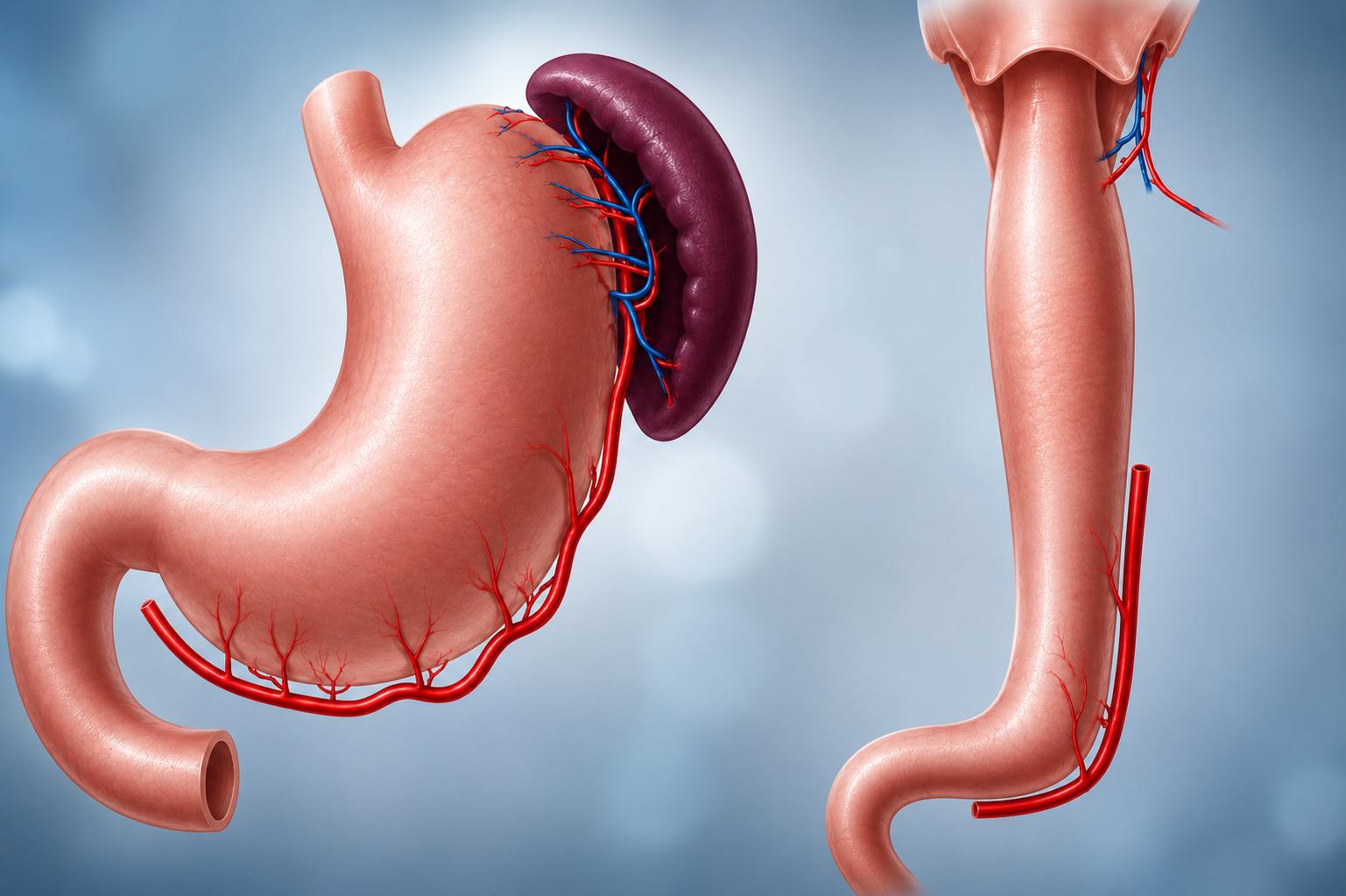
The injured organs are carefully repaired to restore their function. If bowel segments are severely damaged, the affected portion may be removed, and healthy bowel ends are reconnected. In complex injuries, temporary diversion procedures or staged surgeries may be necessary.

Postoperative Care

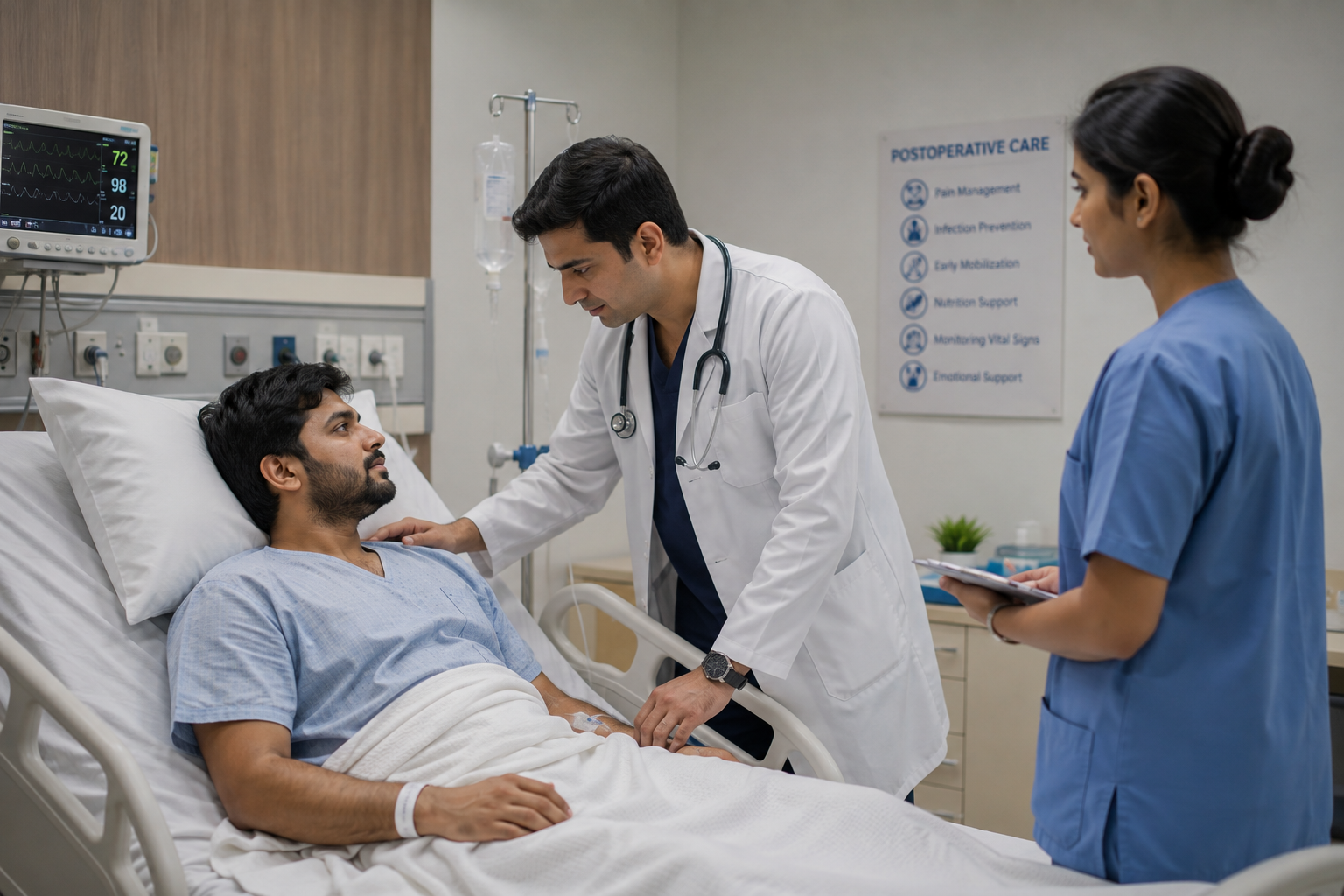
Following surgery, patients receive intensive monitoring, pain management, infection prevention, nutritional support, early mobilization, and critical care management. Additional procedures or rehabilitation may be required depending on the severity of the injury.
RECOVERY

Recovery After Trauma Surgery

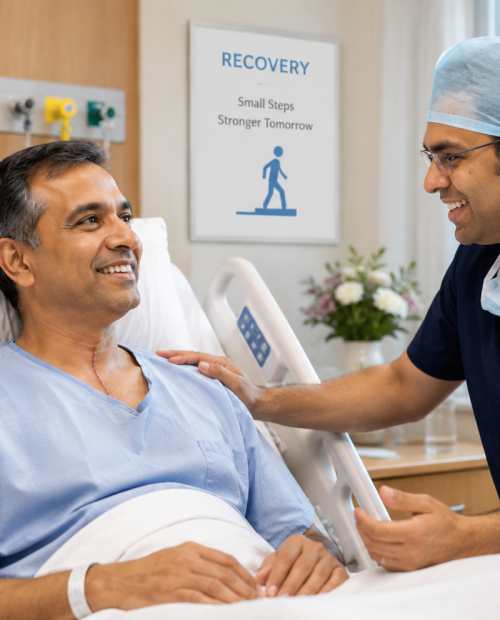
Recovery after esophageal cancer surgery includes gradual healing, nutritional support, pain management, follow-up care, and a steady return to daily activities.

01.

Hospital Stay

Hospital stay varies according to the severity of the injuries but generally ranges from 5 to 14 days or longer in complex trauma cases.

02.

Diet

Patients gradually progress from liquids to soft foods and eventually a balanced diet as bowel function returns. Nutritional support may be required for patients with severe injuries.

ChatGPT Image Jul 24, 2026, 04_56_47 PM

03.

Activity

Early mobilization is encouraged under medical supervision. Recovery timelines vary, with most patients resuming light daily activities within 4 to 8 weeks, depending on the extent of the injury and surgery.

04.

Follow-up

Regular follow-up appointments monitor wound healing, organ function, nutritional recovery, imaging findings, and long-term rehabilitation. Additional specialist care may be required for complex trauma cases.

WHY CHOOSE DR. PRASHANTH KOYYODA?

Why Choose Dr. Prashanth Koyyoda for Trauma Surgery in Hyderabad?

Successful trauma surgery requires rapid decision-making, advanced surgical expertise, and comprehensive postoperative care. Dr. Prashanth Koyyoda provides timely surgical intervention for gastrointestinal and abdominal trauma using modern surgical techniques and multidisciplinary emergency care.

FREQUENTLY ASKED QUESTIONS

What is trauma surgery?

Trauma surgery is the emergency surgical treatment of serious injuries caused by accidents or trauma, particularly those involving the abdomen and internal organs.

Which abdominal injuries require emergency surgery?

Internal bleeding, bowel perforation, liver injuries, pancreatic injuries, splenic rupture, penetrating abdominal wounds, and severe organ damage often require emergency surgery.

Can abdominal trauma be treated laparoscopically?

In selected stable patients with specific injuries, minimally invasive laparoscopic surgery may be an option. However, major trauma often requires open surgery for rapid and effective treatment.

How long does recovery take after trauma surgery?

Recovery depends on the severity of the injury and the organs involved. Most patients require 4 to 8 weeks for significant recovery, while more complex injuries may require longer rehabilitation.

Why choose Dr. Prashanth Koyyoda for trauma surgery?

Dr. Prashanth Koyyoda is an experienced Surgical Gastroenterologist, GI Surgeon, and Advanced Laparoscopic Surgeon in Hyderabad, providing expert Trauma Surgery for abdominal and gastrointestinal injuries with rapid diagnosis, advanced surgical management, comprehensive critical care, and personalized recovery support.

Need Emergency Abdominal Trauma Care in Hyderabad?

Consult Dr. Prashanth Koyyoda, a trusted Surgical Gastroenterologist, GI Surgeon, and Advanced Laparoscopic Surgeon, for expert Trauma Surgery and comprehensive emergency care for abdominal injuries, ensuring timely intervention, advanced surgical treatment, and optimal recovery.