
Vomiting Blood

Black or Tarry Stools
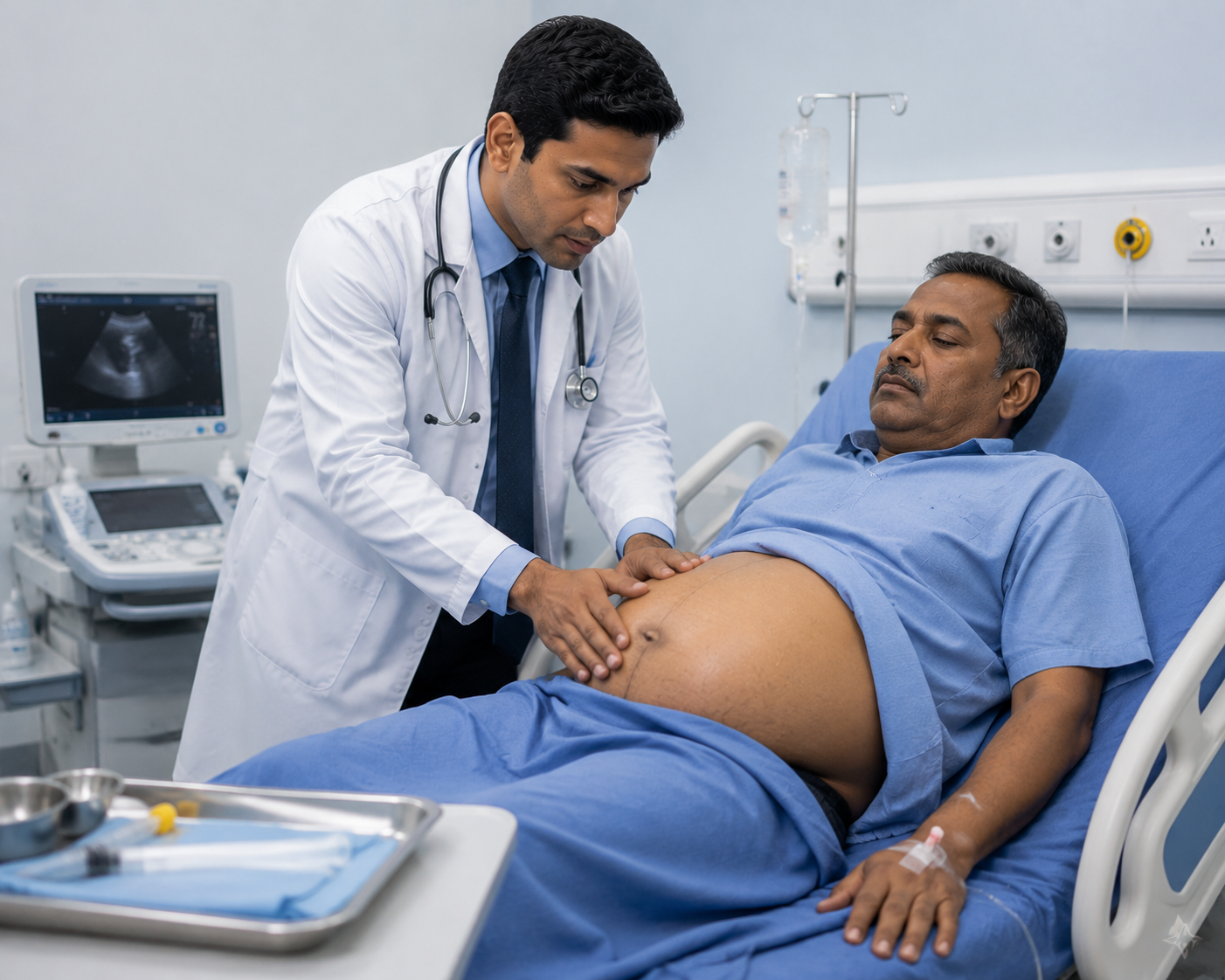
Abdominal Swelling
Enlarged Spleen
Fatigue and Weakness
Swelling of Legs and Feet
Easy Bruising or Bleeding
Confusion in Advanced Liver Disease
Liver Cirrhosis
Chronic Hepatitis B or C
Fatty Liver Disease
Portal Vein Thrombosis
Schistosomiasis (Rare)
Congenital Liver Disorders
Alcohol-Related Liver Disease
Chronic Liver Inflammation

Clinical Evaluation
Blood Investigations
Liver Function Tests
Abdominal Ultrasound with Doppler
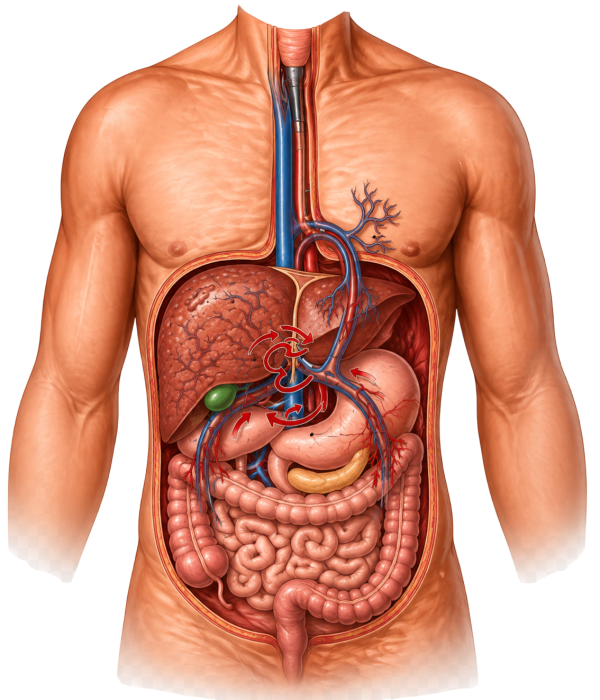
Medical Management
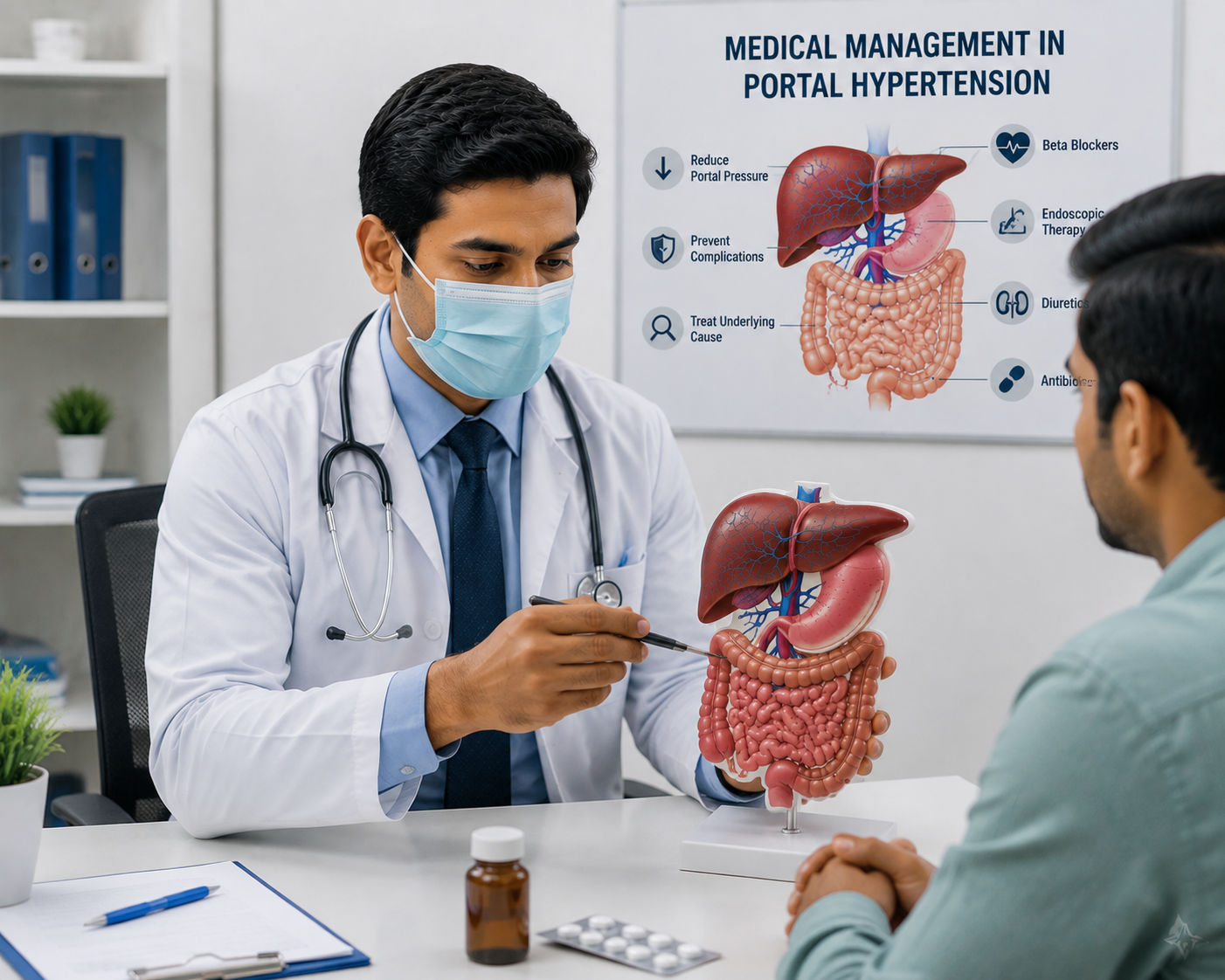
Medications are prescribed to lower portal vein pressure, reduce the risk of variceal bleeding, manage fluid accumulation, and improve overall liver health. Treatment is individualized according to the patient's condition.
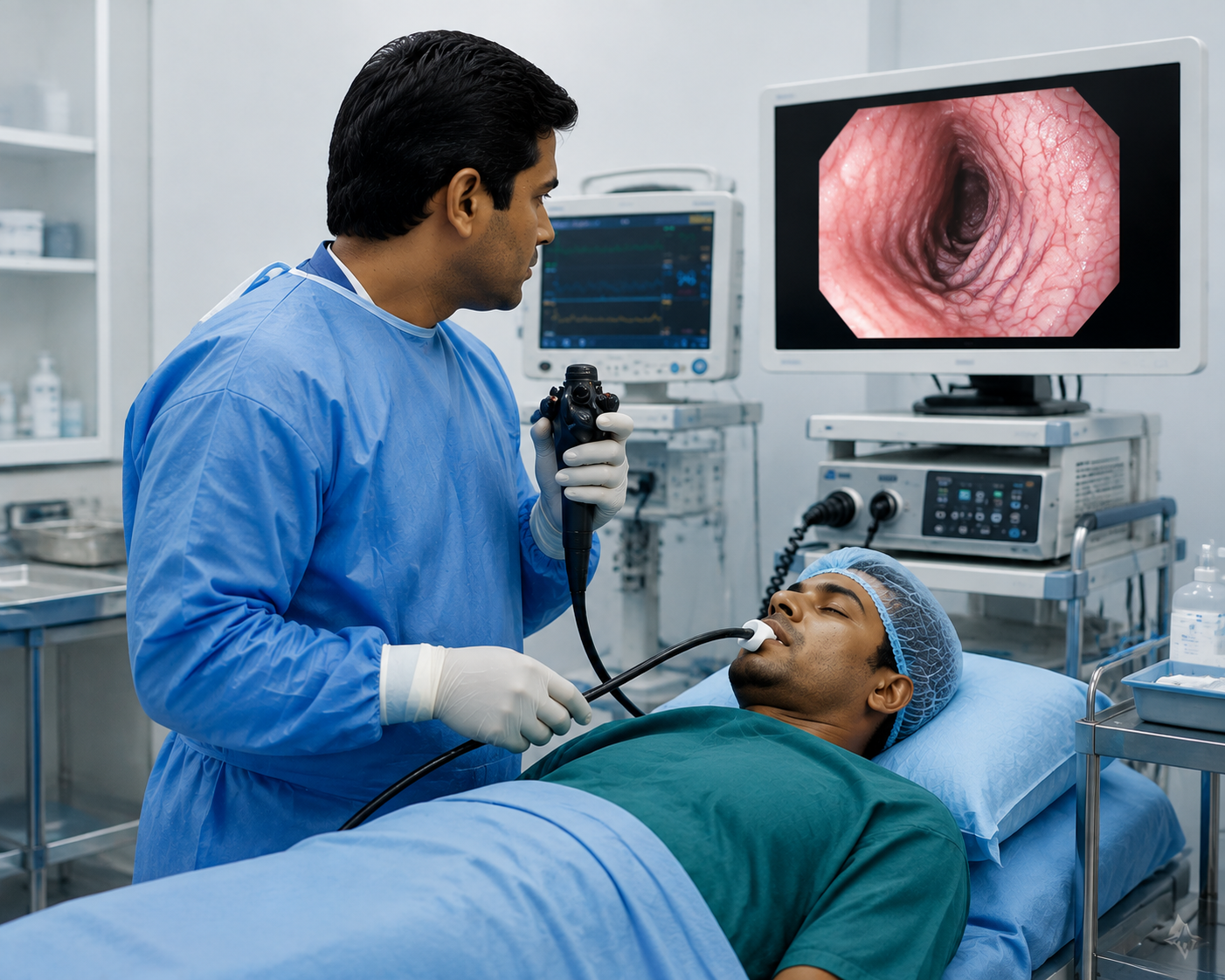
Endoscopic Variceal Management
Patients with enlarged esophageal or gastric varices may require Upper GI Endoscopy with Endoscopic Variceal Band Ligation (EVL) or sclerotherapy to prevent or control life-threatening gastrointestinal bleeding.
Ascites & Complication Management
For patients with abdominal fluid accumulation (ascites), treatment may include medications, dietary sodium restriction, therapeutic fluid drainage (paracentesis), and management of associated liver complications.
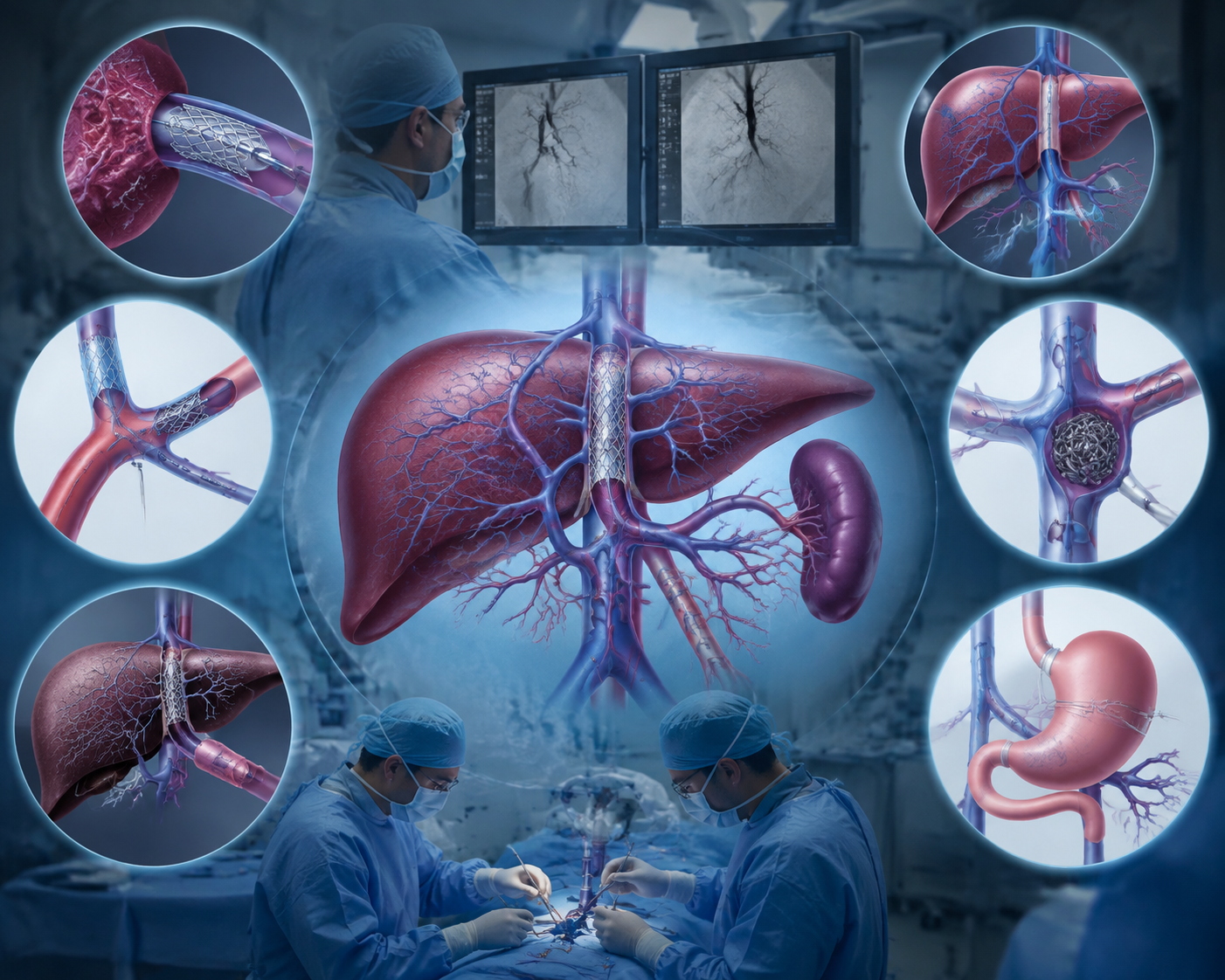
Advanced Interventional & Surgical Procedures
In severe cases where portal hypertension cannot be controlled with medications or endoscopic treatment, advanced procedures such as TIPS (Transjugular Intrahepatic Portosystemic Shunt) may be recommended to reduce portal pressure. Patients with advanced liver failure may also be evaluated for liver transplantation when appropriate.
Long-Term Follow-Up Care
Regular follow-up, liver function monitoring, endoscopic surveillance, imaging studies, and lifestyle modifications help prevent complications, detect disease progression early, and improve long-term outcomes.