

Morbid Obesity
High Blood Pressure
Non-Alcoholic Fatty Liver Disease (NAFLD)
Type 2 Diabetes
Obstructive Sleep Apnea
High Cholesterol
Significant Long-Term Weight Loss

Improved Blood Sugar Control
Better Blood Pressure Management
Reduced Appetite
Improvement in Sleep Apnea
Better Cholesterol Levels
Minimally Invasive Laparoscopic Surgery
Smaller Incisions and Minimal Scarring

Preoperative Assessment
Before surgery, Dr. Prashanth Koyyoda performs a comprehensive evaluation including BMI assessment, blood investigations, nutritional assessment, upper GI endoscopy when indicated, cardiac and pulmonary evaluation, psychological assessment, and anesthetic fitness. Patients also receive dietary counseling and education regarding long-term lifestyle changes.

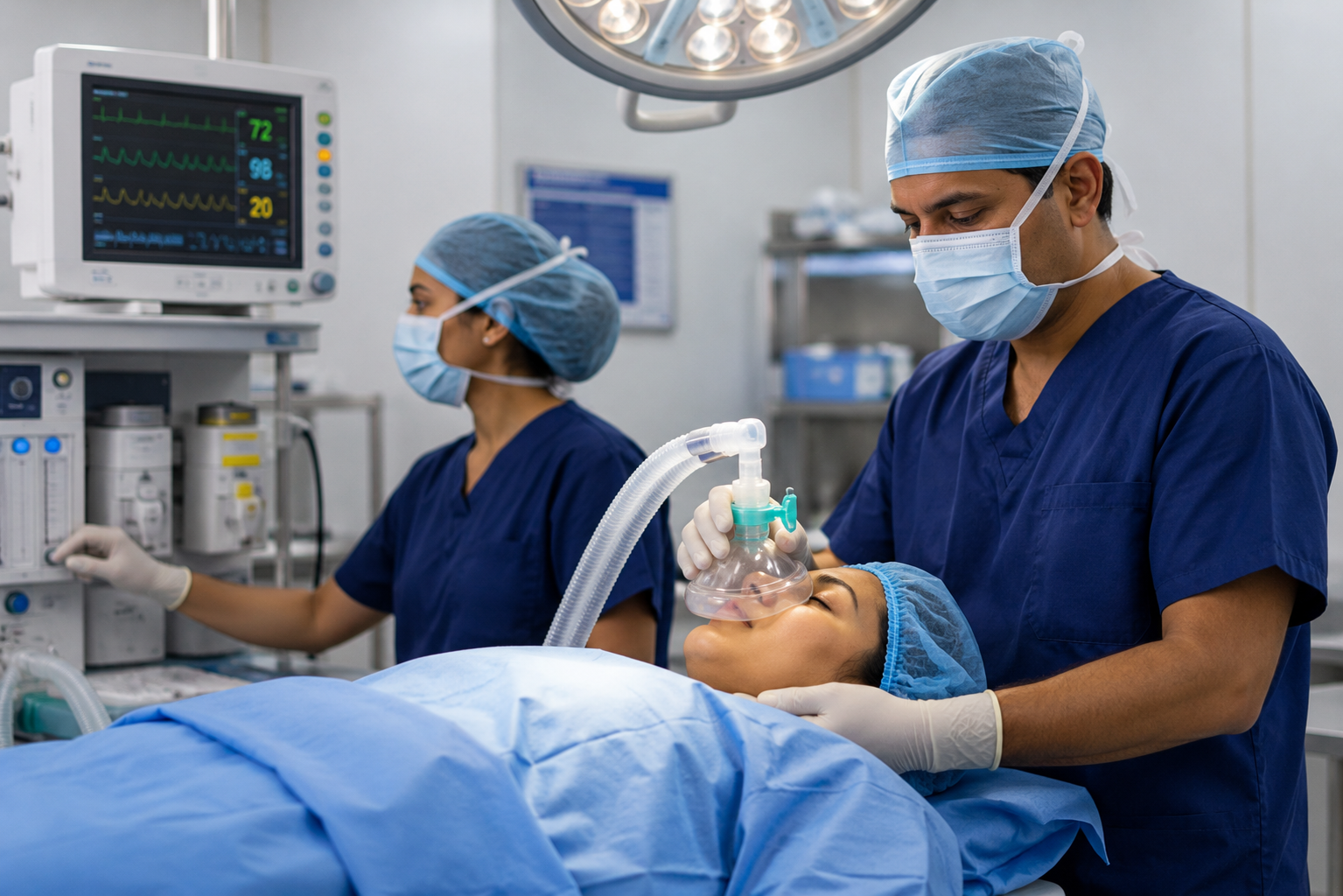
General Anesthesia
The procedure is performed under general anesthesia, ensuring complete comfort and safety throughout the surgery.
Surgical Procedure
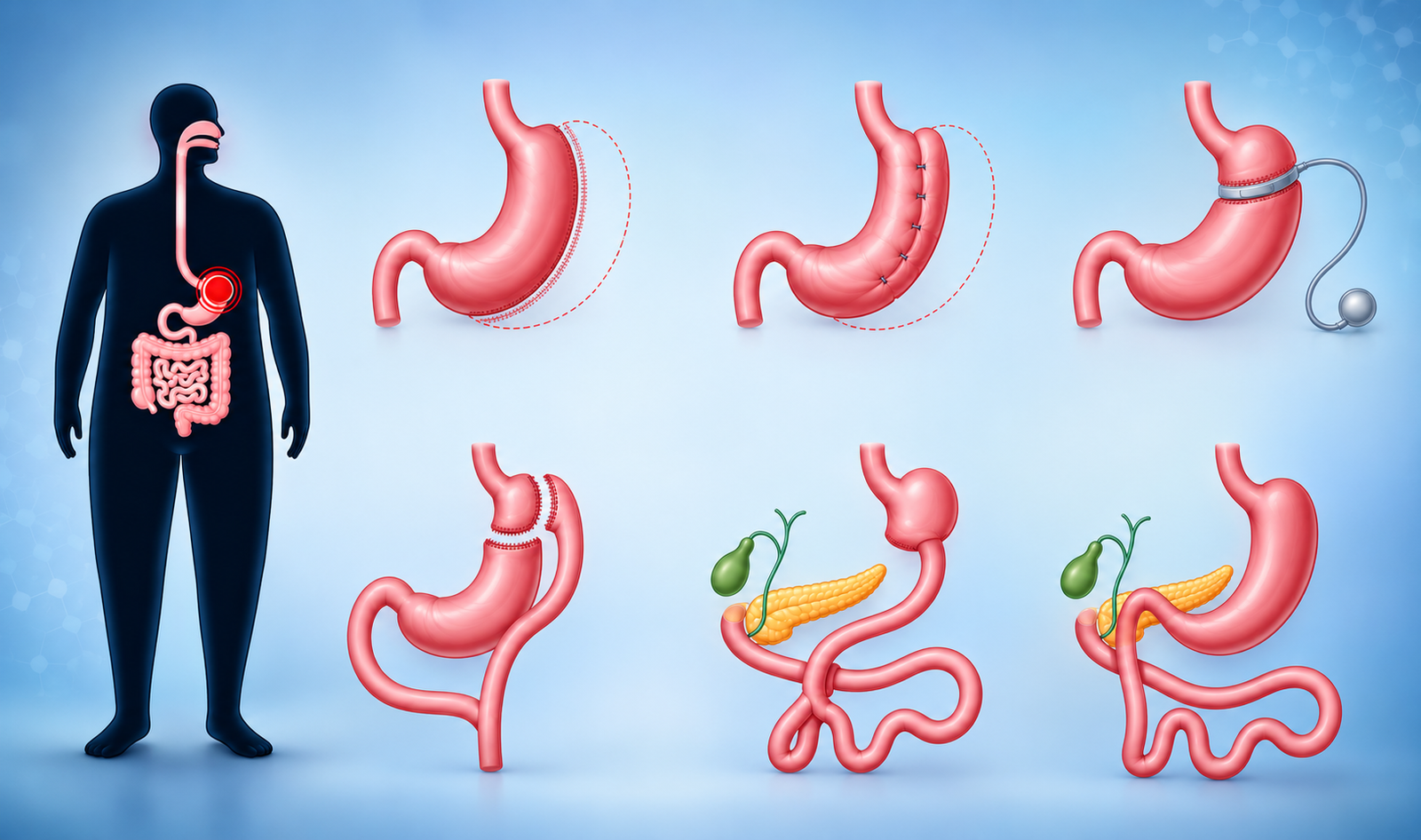
Several small incisions are made in the abdomen to introduce a laparoscope and specialized surgical instruments. A long, narrow stomach pouch is created, and a loop of the small intestine is connected to the pouch using a single anastomosis. This limits food intake while reducing calorie absorption, resulting in effective and sustained weight loss.
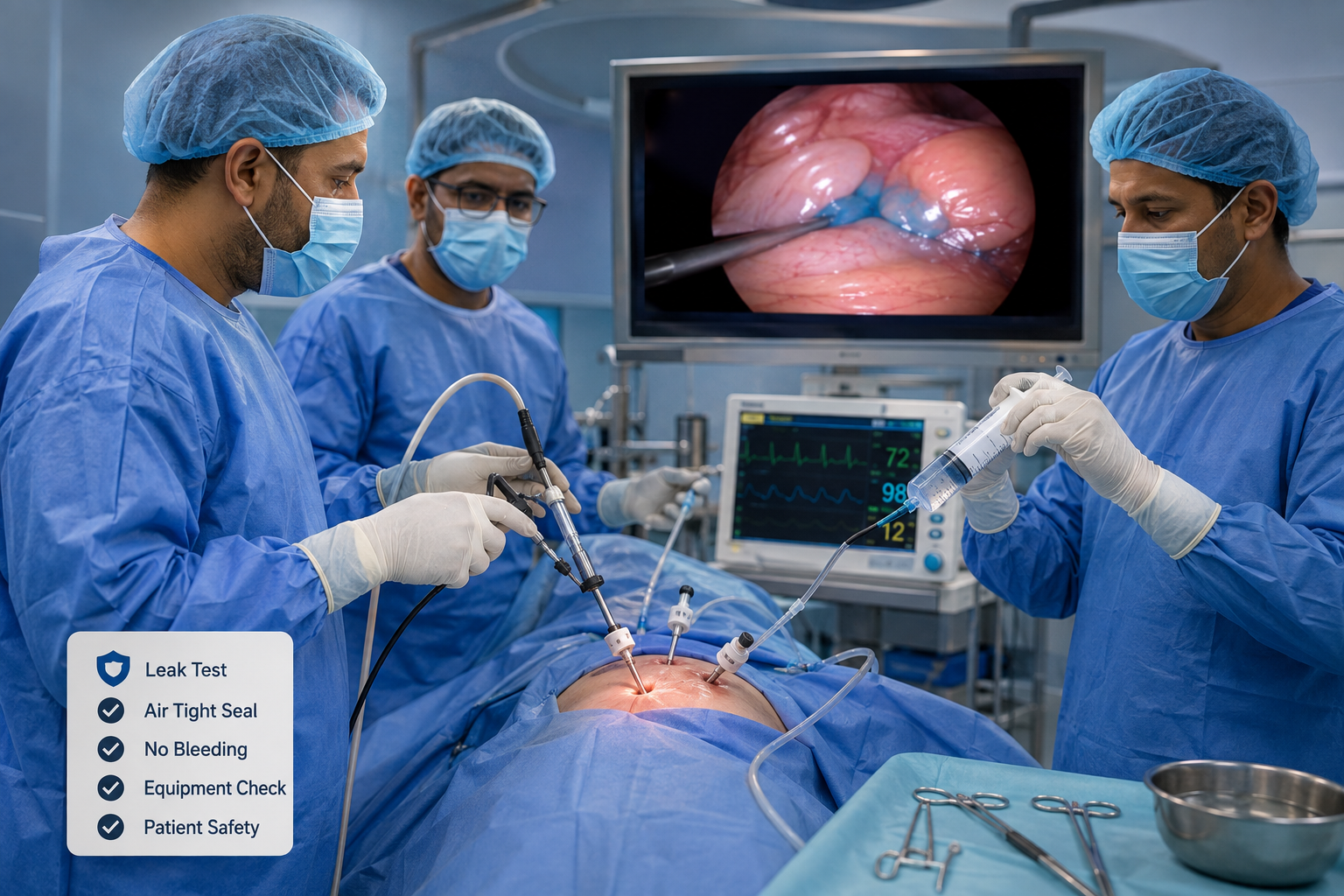
Leak Testing and Safety Checks
Before completing the surgery, the newly created connection is carefully checked for bleeding and leakage to ensure a safe and secure outcome. All surgical instruments are removed, and the small incisions are closed.
Postoperative Care
After surgery, patients are closely monitored for pain control, hydration, early mobilization, and nutritional needs. A structured dietary program is introduced gradually, progressing from liquids to soft foods and eventually a balanced healthy diet. Lifelong nutritional supplementation and regular follow-up are important components of successful treatment.