

Type 2 Diabetes Mellitus
Metabolic Syndrome
Obstructive Sleep Apnea
Morbid Obesity
Hypertension
Non-Alcoholic Fatty Liver Disease (NAFLD)
Significant Improvement in Blood Sugar Control

Potential Remission of Type 2 Diabetes
Reduced Dependence on Diabetes Medications
Significant and Sustainable Weight Loss
Improved Blood Pressure
Better Cholesterol Levels
Reduced Risk of Diabetes-Related Complications
Improved Insulin Sensitivity

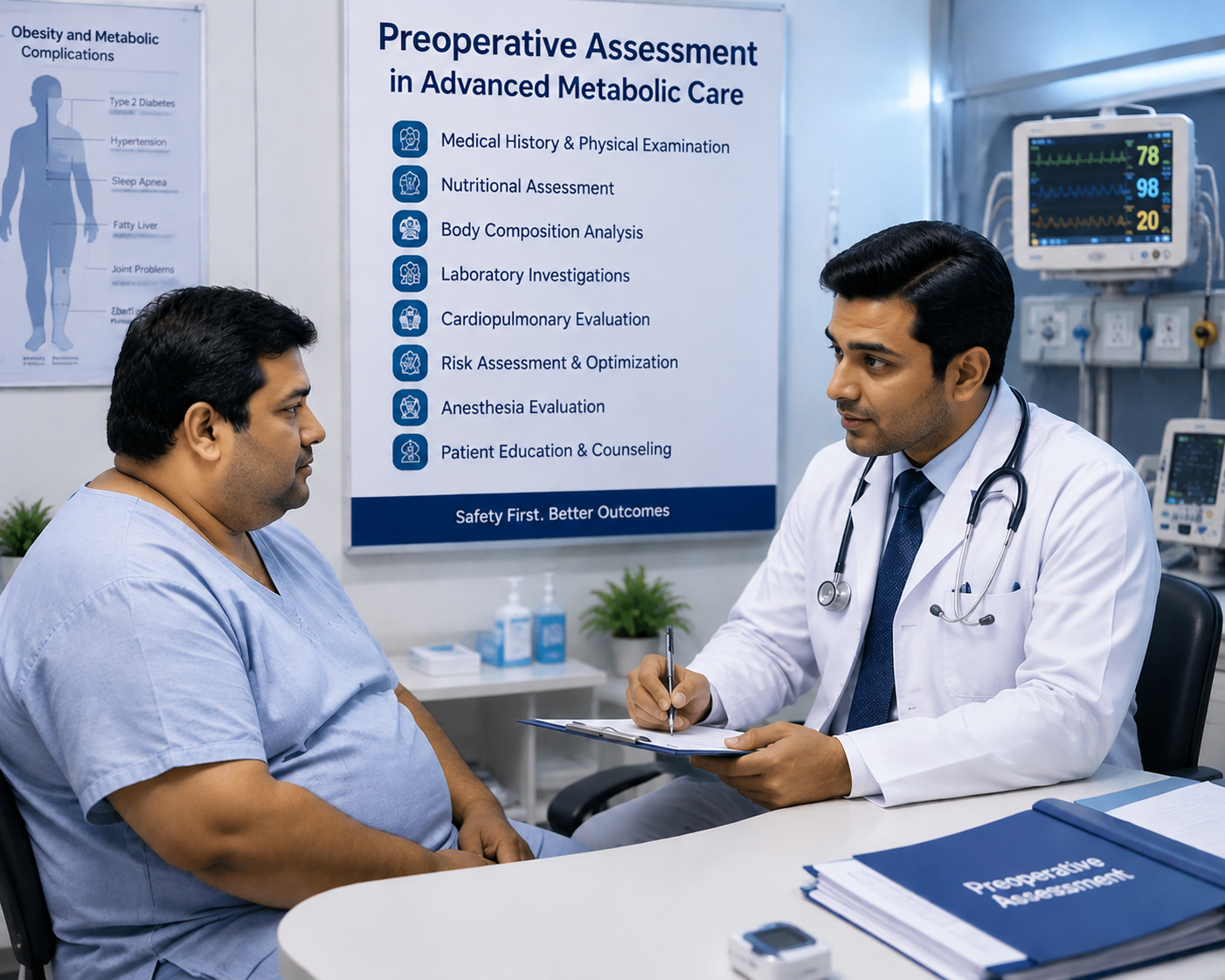
Preoperative Assessment
Before surgery, Dr. Prashanth Koyyoda performs a comprehensive evaluation that includes BMI assessment, diabetes history, blood investigations, HbA1c measurement, nutritional assessment, upper GI endoscopy (when indicated), cardiac and pulmonary evaluation, psychological assessment, and anesthetic fitness. Patients also receive dietary counseling and education regarding lifestyle changes after surgery.
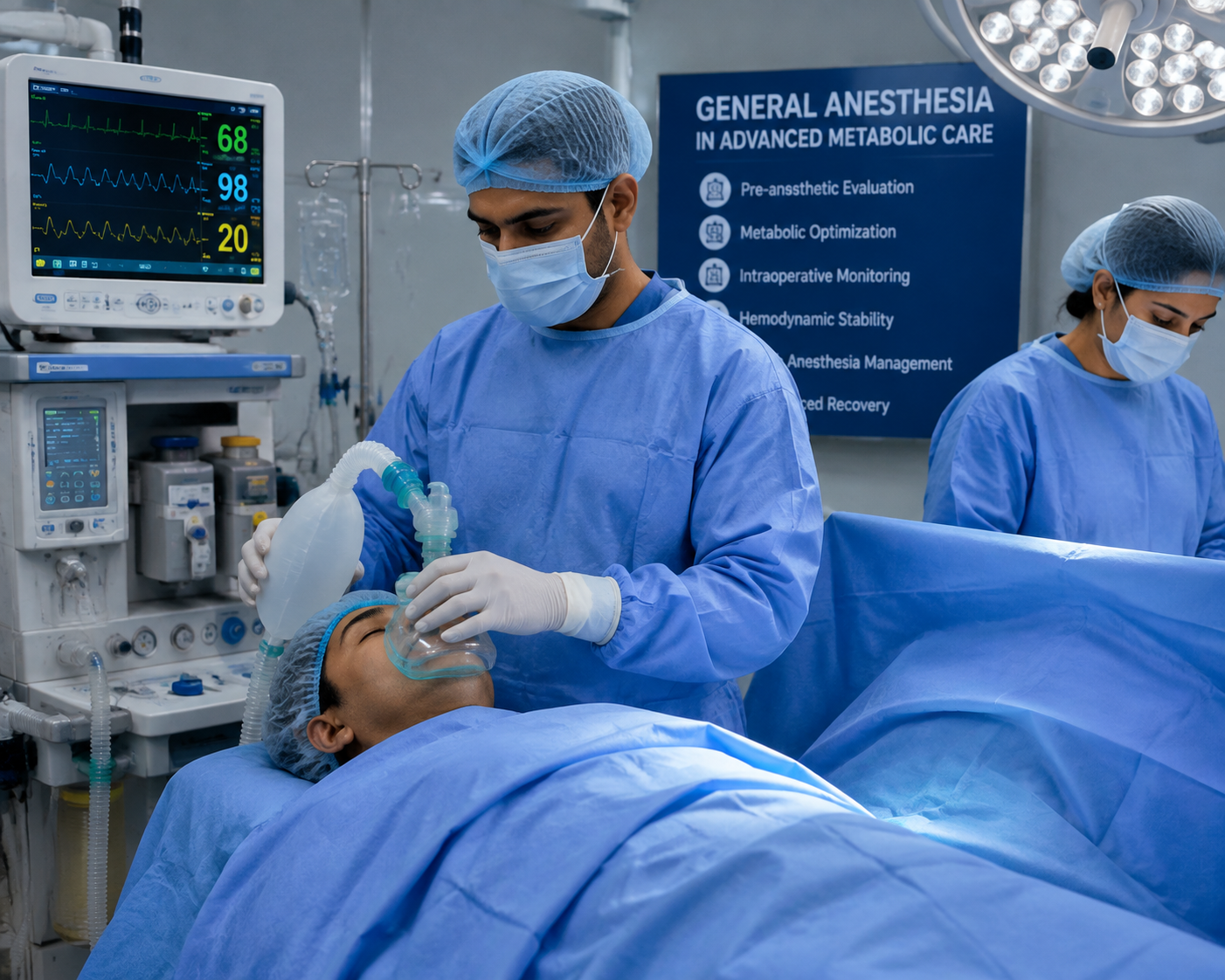
General Anesthesia
The procedure is performed under general anesthesia, ensuring patient comfort and safety throughout the operation.
Surgical Procedure
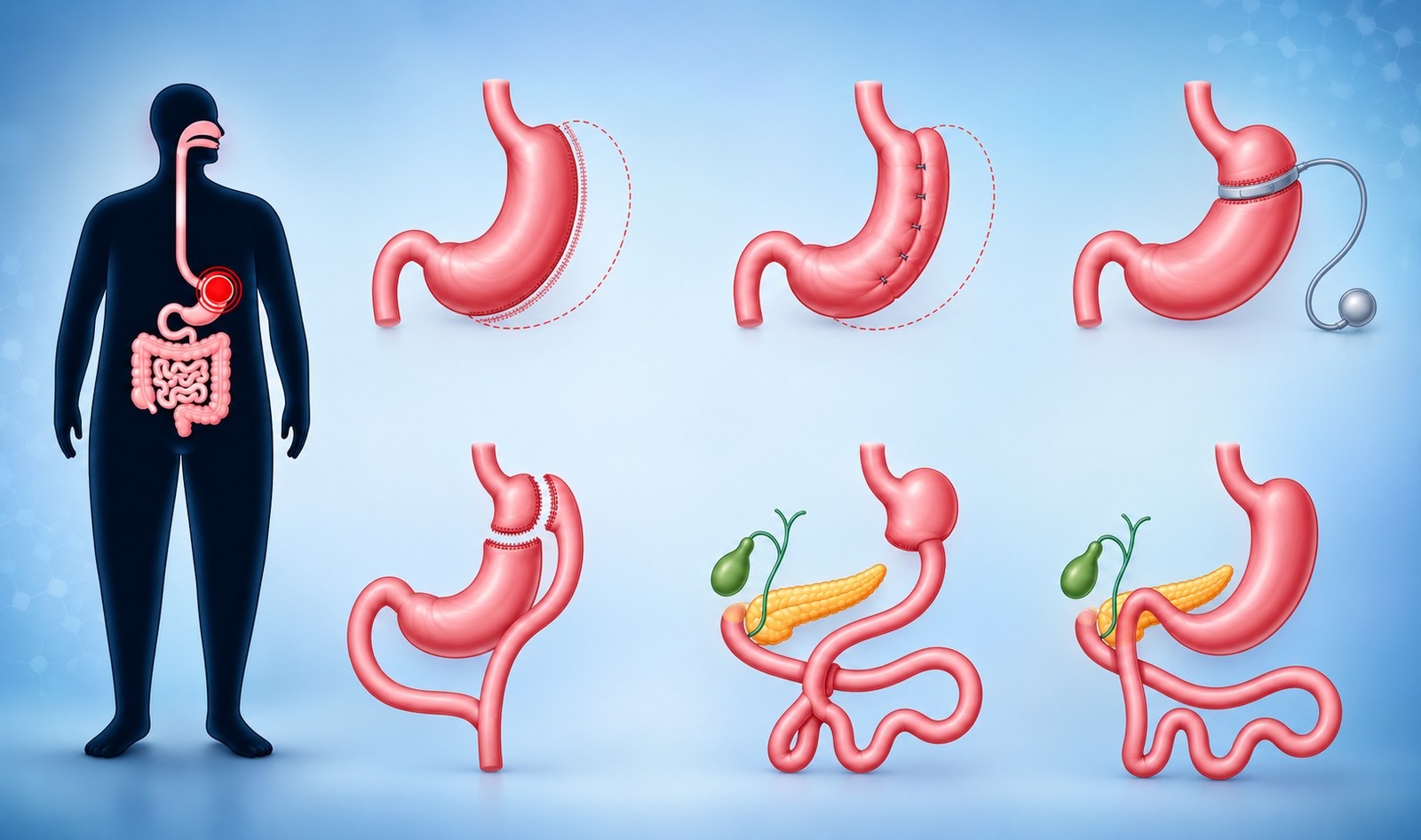
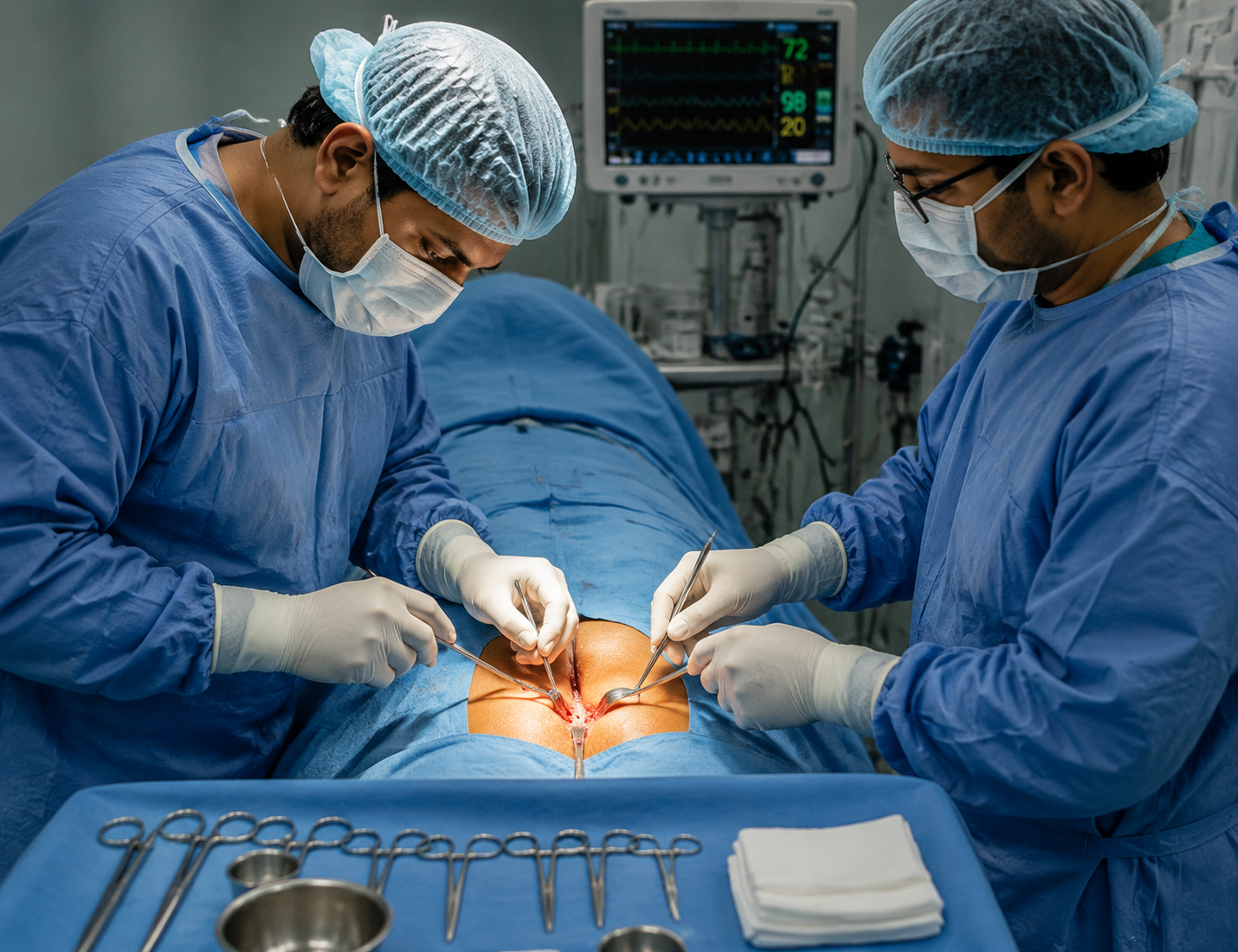
The type of metabolic surgery is selected based on the patient's BMI, diabetes severity, medical history, and overall health. Common procedures include Laparoscopic Sleeve Gastrectomy, Mini Gastric Bypass (OAGB), and Roux-en-Y Gastric Bypass. These minimally invasive procedures reduce stomach capacity and alter gastrointestinal hormone responses, improving insulin sensitivity and blood sugar regulation while promoting long-term weight loss.
Metabolic Improvement
Following surgery, hormonal changes within the gastrointestinal tract help improve glucose metabolism, reduce insulin resistance, and enhance pancreatic function. Many patients experience significant improvement in blood sugar levels soon after surgery, even before substantial weight loss occurs.
Postoperative Care
Patients receive individualized postoperative care, including blood sugar monitoring, nutritional support, gradual dietary progression, vitamin supplementation, physical activity guidance, and long-term follow-up to ensure sustained health improvements.