Dr. Prashanth Koyyoda is a leading specialist in the diagnosis and surgical treatment of gallbladder cancer, patient-centric care for individuals battling this complex disease. With deep expertise in advanced surgical techniques, including radical cholecystectomy and minimally invasive approaches, he focuses on optimizing tumor removal while preserving surrounding organ function. His meticulous surgical skill is matched by a holistic, multidisciplinary approach collaborating with oncologists, radiologists, and supportive care teams to craft personalized treatment plans that prioritize both survival and quality of life. From early-stage interventions to managing advanced cases with precision, Dr. Koyyoda guides each patient through their journey with clarity, compassion, and unwavering dedication.
Exploring the Causes & Risk Factors of Gall Bladder Cancer
Understanding the causes of Gall Bladder Cancer is crucial for proper prevention, timely intervention, and overall well-being.
Gallstones
Persistent gallstones irritate the gallbladder lining, causing chronic inflammation and cellular damage over years.
This ongoing irritation creates a high-risk environment for abnormal cell growth and tumor formation.
Infections
Chronic infections like Salmonella or Helicobacter pylori can alter gallbladder cells and cause DNA mutations.
Bacterial toxins and immune responses heighten the risk of cancer over time.
Anatomical Abnormalities
Conditions like choledochal cysts or porcelain gallbladder disrupt bile flow and cause tissue degeneration.
These rare abnormalities significantly raise cancer risk by promoting chronic irritation and cellular changes.
Symptoms of Gall bladder cancer
Persistent Abdominal Pain
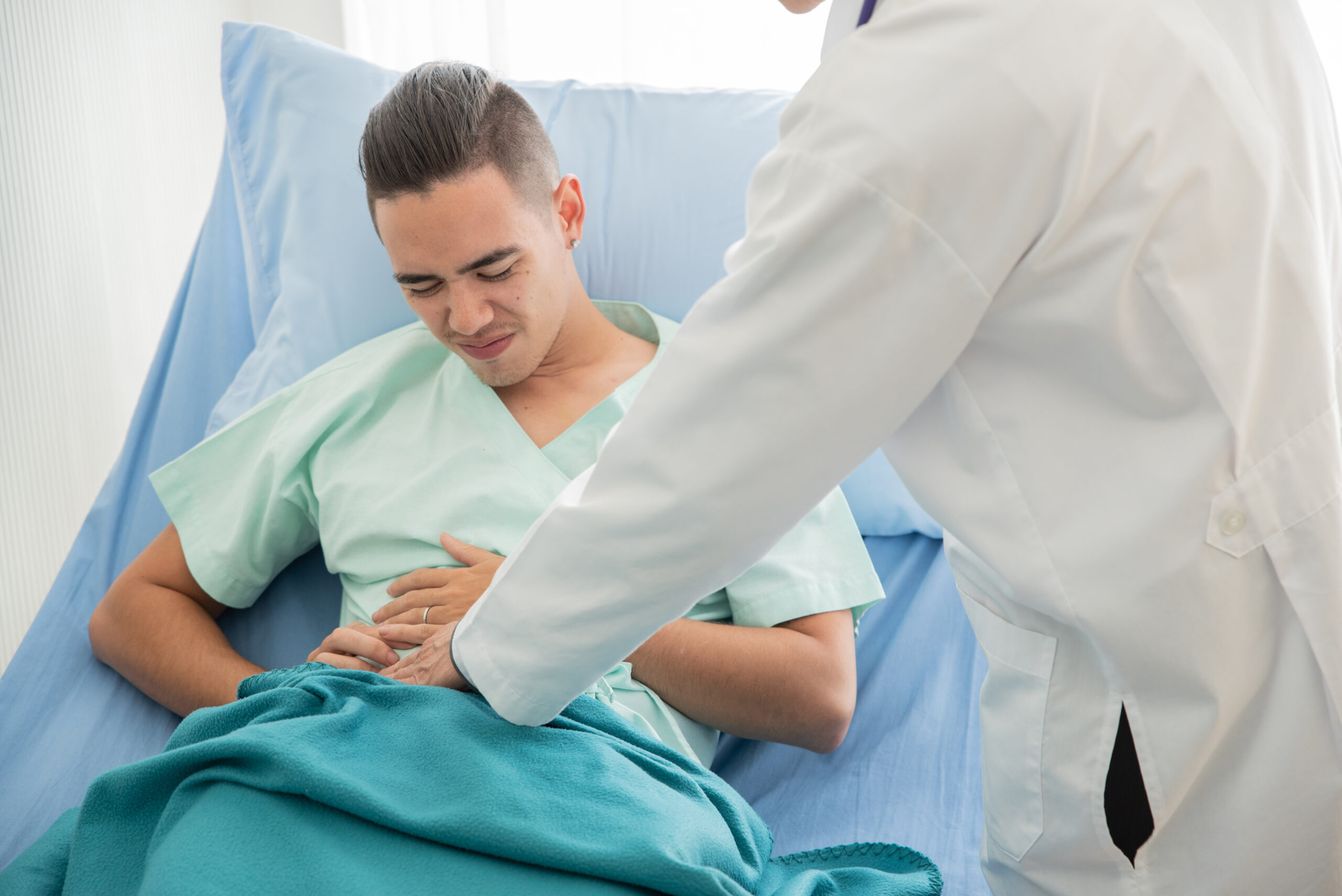
Dull or sharp pain beneath ribs, worsens after eating, radiates to back or shoulder blade.
Jaundice
Yellow skin or eyes due to blocked bile flow pathways, often accompanied by dark-colored urine.
Unexplained Weight Loss
Gradual weight reduction without diet or physical activity changes, often with fatigue or reduced appetite.
Nausea and Vomiting
Constant queasiness, especially after fatty or heavy meals, sometimes accompanied by bloating and dizziness.
Fever and Chills
May signal infection from blocked bile ducts or abscesses, with sweating and general discomfort.
Abdominal Bloating
Discomfort or swelling in upper right abdominal area regularly, with gas, tightness, and indigestion.
Treatment Options Of Gall Bladder Cancer
Precision care developed to confront cancer and restore digestive strength.
Surgical Removal : Early-stage gallbladder cancer is treated by removing the gallbladder and nearby liver tissue. It offers the best outcome if detected before spread or complications occur.
Chemotherapy : Anti-cancer drugs are used to shrink tumors and prevent spread. Often given before or after surgery depending on cancer stage. Common agents include gemcitabine and cisplatin for systemic impact.
Radiation Therapy : High-energy rays target and destroy remaining cancerous cells post-surgery. Also used for advanced cases to relieve pain or symptoms. Typically combined with chemo for a stronger treatment outcome.
Immunotherapy These focus on specific cancer cell mutations or immune checkpoints. Effective for advanced-stage or chemo-resistant tumors in eligible patients.