
Best Esophageal Cancer Surgeon in Hyderabad

Advanced Esophageal Cancer Surgery by Dr. Prashanth Koyyoda

Looking for expert surgical treatment for Esophageal Cancer? Dr. Prashanth Koyyoda, an experienced GI Cancer Surgeon, Surgical Gastroenterologist, GI Surgeon, and Advanced Laparoscopic Robotic Surgeon in Hyderabad, performs advanced Esophageal Cancer Surgery using modern minimally invasive techniques to achieve the best possible cancer outcomes and faster recovery.

ABOUT THE PROCEDURE

What is Esophageal Cancer Surgery?

Esophageal Cancer Surgery (Esophagectomy) is a specialized procedure performed to remove cancerous tissue from the esophagus and restore the continuity of the digestive tract. Depending on the location and stage of the cancer, part or all of the esophagus may be removed along with nearby lymph nodes to ensure complete cancer clearance. Whenever suitable, minimally invasive laparoscopic Robotic and thoracoscopic techniques are used to reduce surgical trauma, minimize pain, shorten hospital stay, and support faster recovery. Dr. Prashanth Koyyoda offers personalized surgical care using advanced techniques and multidisciplinary cancer management for the best possible outcomes.

CONDITIONS TREATED

Conditions Treated with Esophageal Cancer Surgery

Esophageal cancer surgery is performed to treat malignant and selected pre-cancerous conditions affecting the esophagus.

Esophageal Squamous Cell Carcinoma

Esophageal Adenocarcinoma

Gastroesophageal Junction (GEJ) Cancer

High-Grade Dysplasia in Barrett's Esophagus

Early Esophageal Cancer

Selected Recurrent Esophageal Cancer

BENEFITS OF SURGERY

Benefits of Esophageal Cancer Surgery

Surgical treatment offers the best chance of long-term disease control in appropriately selected patients with esophageal cancer.

esophageal

Complete Removal of Cancer

esophageal (1)

Improved Long-Term Survival

esophageal (1)

Accurate Cancer Staging

esophageal (1)

Removal of Involved Lymph Nodes

esophageal (1)

Improved Quality of Life

esophageal (1)

Minimally Invasive Surgical Options

esophageal

Reduced Blood Loss

esophageal (1)

Faster Recovery

HOW IS THE PROCEDURE PERFORMED?

How is Esophageal Cancer Surgery Performed?

Esophageal cancer surgery removes the affected esophagus, nearby lymph nodes, and reconstructs digestion by connecting the stomach to remaining esophagus.

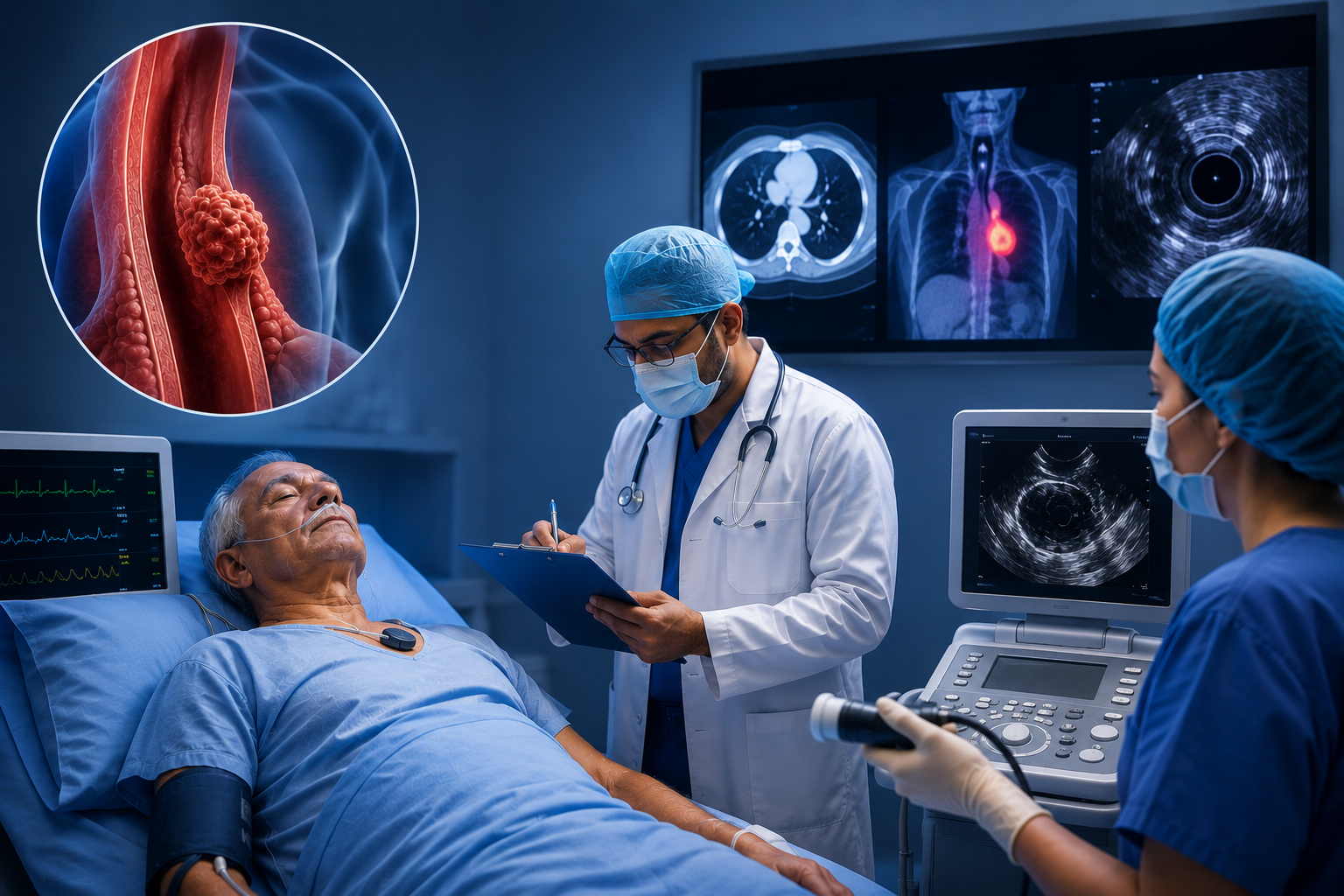
Preoperative Assessment

Before surgery, Dr. Prashanth Koyyoda performs a comprehensive evaluation that includes upper GI endoscopy with biopsy, CT scan, PET-CT (when indicated), endoscopic ultrasound (EUS), blood investigations, pulmonary function tests, cardiac evaluation, and anesthetic fitness assessment. Nutritional status is also assessed to optimize recovery before surgery.
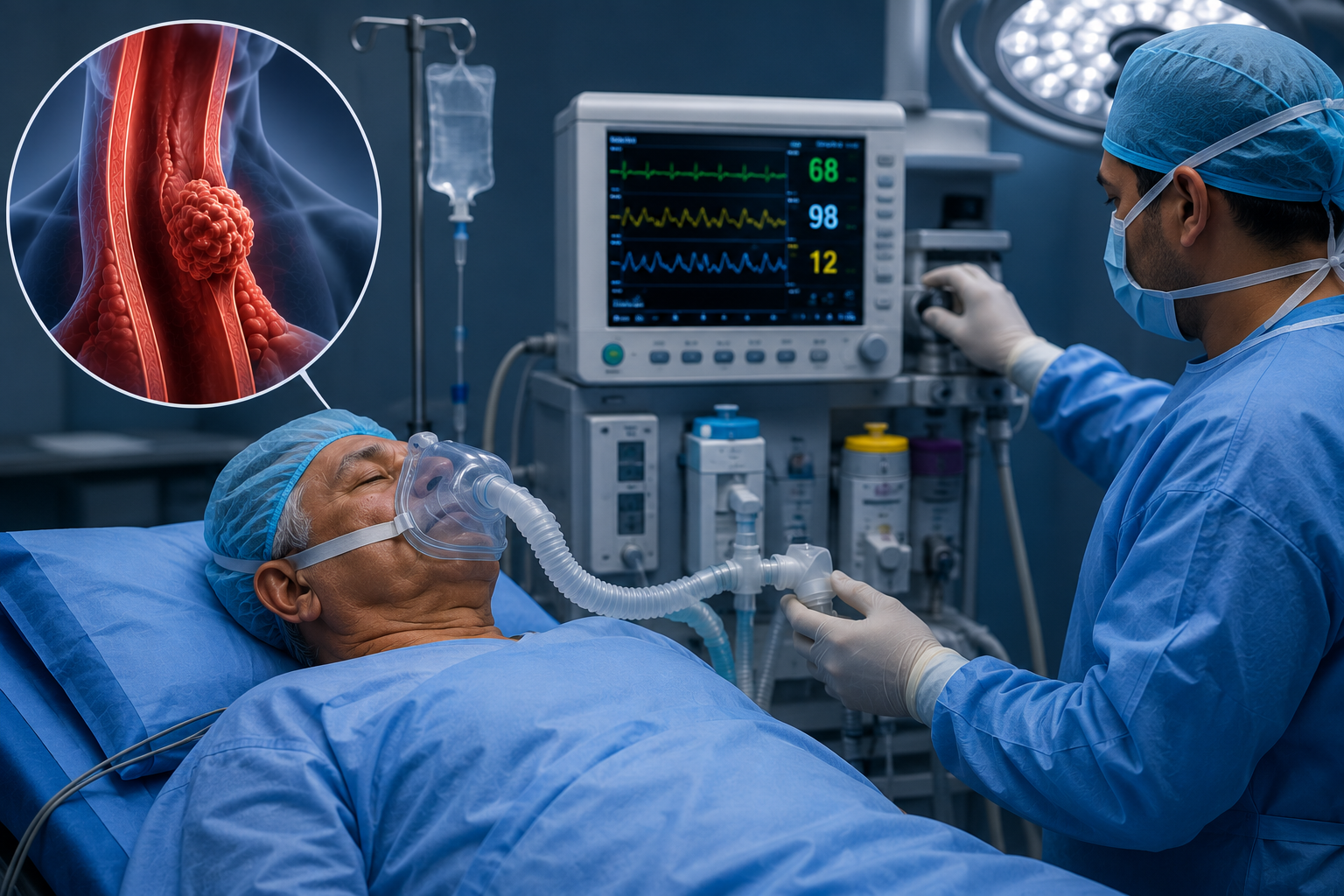
General Anesthesia

The surgery is performed under general anesthesia, ensuring complete patient comfort throughout the procedure. Continuous monitoring of heart function, breathing, blood pressure, and oxygen levels is maintained by the anesthesia team.

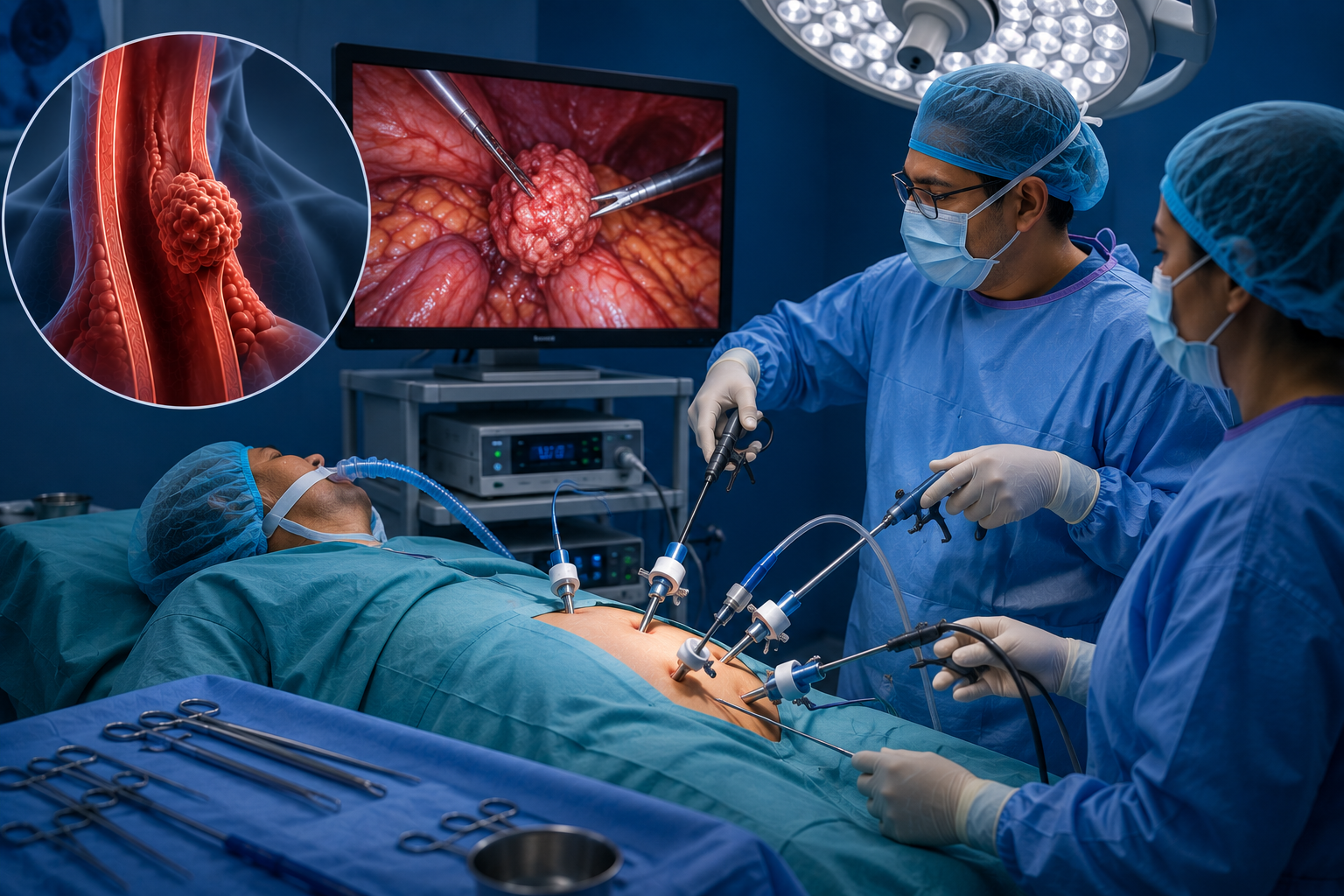
Surgical Procedure

Depending on the location and extent of the cancer, part or the entire esophagus is carefully removed along with surrounding lymph nodes. Whenever appropriate, minimally invasive laparoscopic Robotic and thoracoscopic techniques are used to reduce surgical trauma. The cancer is removed while preserving as much healthy tissue as possible, following internationally accepted oncological principles to achieve complete tumor clearance.
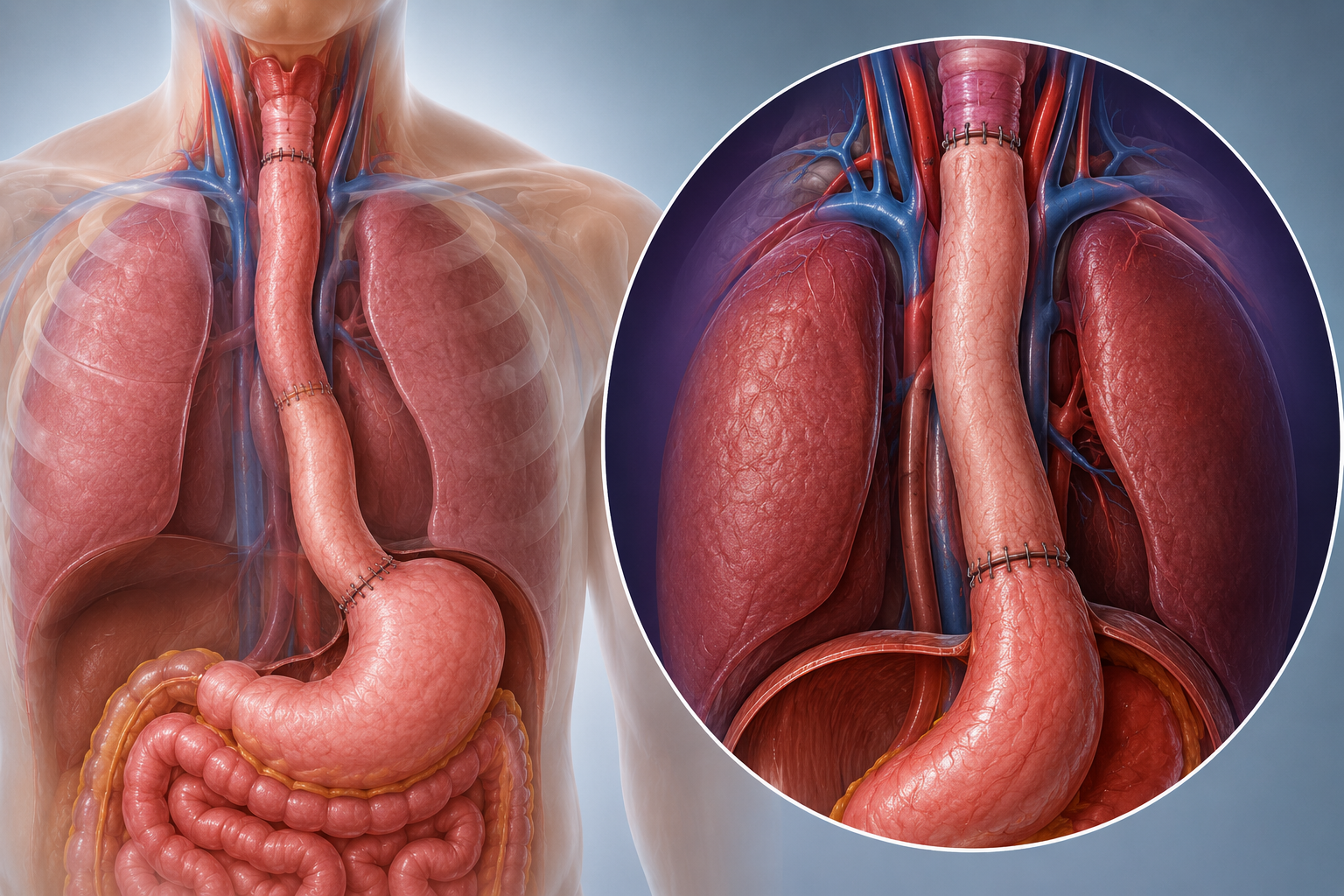
Reconstruction

After removal of the diseased esophagus, the stomach is usually reshaped into a tube (gastric conduit) and brought up into the chest or neck to reconnect with the remaining healthy esophagus. In selected cases where the stomach cannot be used, a portion of the intestine may be utilized for reconstruction. This restores the continuity of the digestive tract and allows patients to resume oral feeding after recovery.

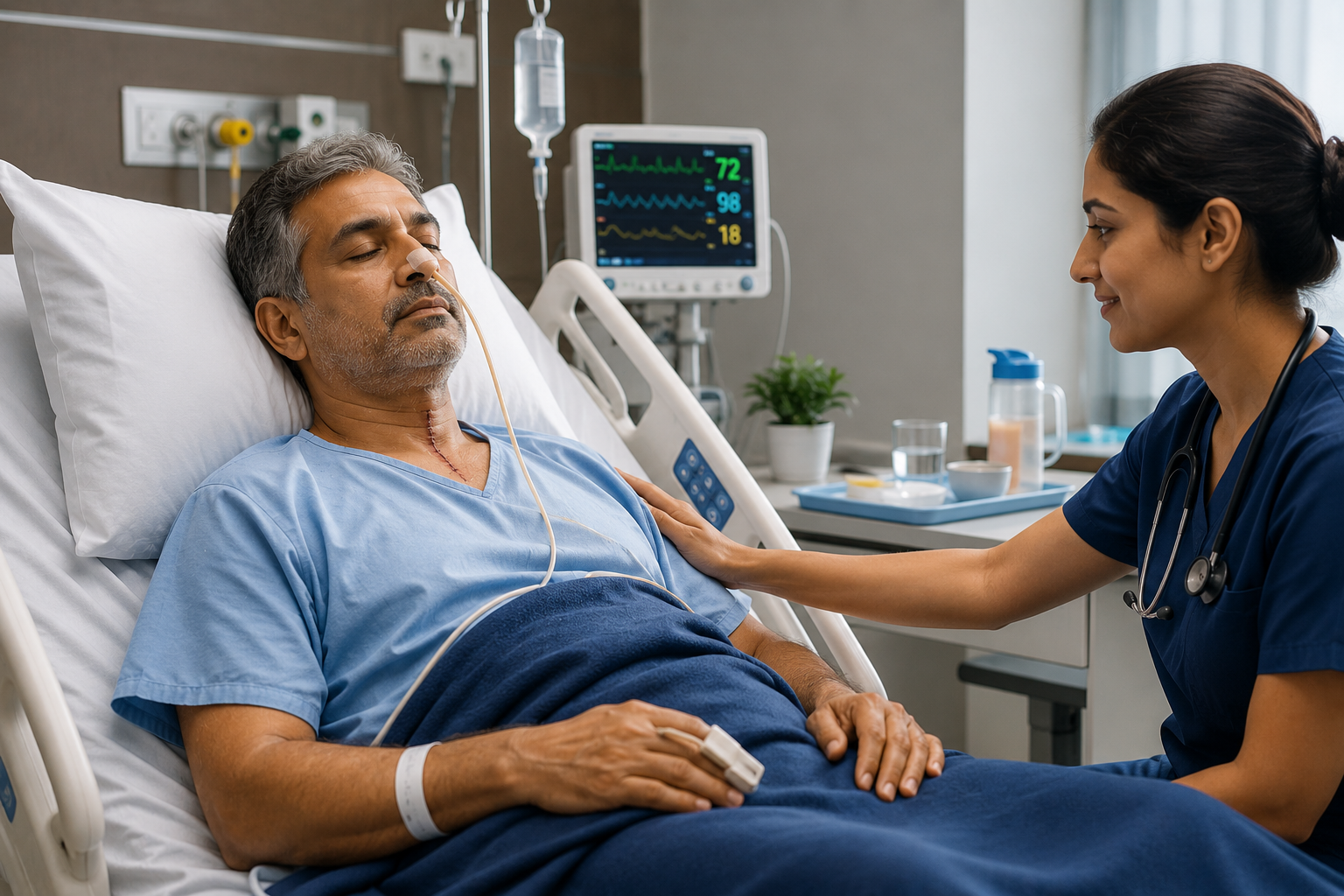
Postoperative Care

Following surgery, patients are closely monitored in the intensive care or high-dependency unit. Pain management, respiratory physiotherapy, nutritional support, early mobilization, and careful monitoring for complications are essential components of postoperative care. Feeding is gradually resumed based on recovery and healing of the surgical connection.
RECOVERY

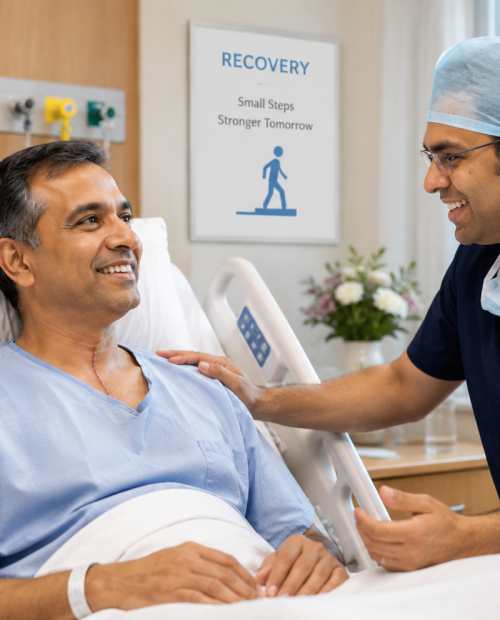
Recovery After Esophageal Cancer Surgery

Recovery after esophageal cancer surgery includes gradual healing, nutritional support, pain management, follow-up care, and a steady return to daily activities.

01.

Hospital Stay

Most patients remain in the hospital for 7 to 14 days, depending on the complexity of the surgery and their postoperative recovery.

02.

Diet

Patients initially receive nutritional support through feeding tubes or intravenous methods before gradually progressing to liquids, soft foods, and eventually a regular diet under medical supervision.

ChatGPT Image Jul 24, 2026, 04_56_47 PM

03.

Activity

Early walking is encouraged to reduce the risk of complications. Heavy lifting and strenuous activities should be avoided for several weeks. Most patients gradually return to their daily routine over 6 to 8 weeks, depending on their overall recovery.

04.

Follow-up

Regular follow-up appointments include clinical evaluation, nutritional assessment, imaging studies when required, and ongoing surveillance to monitor recovery, detect recurrence early, and support long-term health.

WHY CHOOSE DR. PRASHANTH KOYYODA?

Why Choose Dr. Prashanth Koyyoda for Esophageal Cancer Surgery in Hyderabad?

Esophageal cancer surgery requires exceptional surgical expertise and comprehensive cancer care. Dr. Prashanth Koyyoda combines advanced minimally invasive techniques with evidence-based oncology practices to provide the highest standards of surgical treatment.

FREQUENTLY ASKED QUESTIONS

When is esophageal cancer surgery recommended?

Esophageal cancer surgery is recommended for patients with localized, resectable cancer who are medically fit for surgery. It may also be performed after chemotherapy or chemoradiotherapy to achieve complete cancer removal.

Is esophageal cancer surgery performed using minimally invasive techniques?

Yes. Whenever appropriate, minimally invasive laparoscopic Robotic and thoracoscopic techniques are used to reduce pain, minimize blood loss, shorten hospital stay, and promote faster recovery.

How long does esophageal cancer surgery take?

The surgery typically takes 4 to 8 hours, depending on the location of the tumor, the complexity of the procedure, and the reconstruction required.

How long does recovery take after esophageal cancer surgery?

Most patients require 6 to 8 weeks for recovery, although complete healing, nutritional adaptation, and return to normal activities may continue over the following months.

Why choose Dr. Prashanth Koyyoda for esophageal cancer surgery?

Dr. Prashanth Koyyoda is an experienced GI Cancer Surgeon, Surgical Gastroenterologist, GI Surgeon, and Advanced Laparoscopic Robotic Surgeon in Hyderabad, offering advanced minimally invasive esophageal cancer surgery with personalized treatment, comprehensive cancer care, and excellent long-term outcomes.

Need Expert Esophageal Cancer Surgery in Hyderabad?

Consult Dr. Prashanth Koyyoda, a trusted GI Cancer Surgeon, Surgical Gastroenterologist, GI Surgeon, and Advanced Laparoscopic Robotic Surgeon, for advanced Esophageal Cancer Surgery with comprehensive cancer care, modern surgical techniques, and dedicated postoperative support.