
Diverticulitis
Diverticulitis occurs when small pouches (diverticula) in the colon become inflamed or infected, leading to abdominal pain and digestive discomfort. It is more common in older adults and can develop due to a low-fiber diet, obesity, or chronic constipation. Mild cases may cause bloating, nausea, or changes in bowel habits, while severe cases can result in fever and intense pain. If left untreated, diverticulitis can lead to complications like abscesses, perforations, or bowel obstruction. Early diagnosis and prompt treatment help prevent these serious issues and reduce recurrence. Treatment includes antibiotics, a liquid diet, and pain management, while severe cases may require surgery. Eating a high-fiber diet and staying hydrated can help prevent flare-ups. Avoiding processed foods and maintaining a healthy weight also reduce the risk. Regular medical checkups are crucial for monitoring and timely intervention. Proper lifestyle changes and medical management improve long-term digestive health.
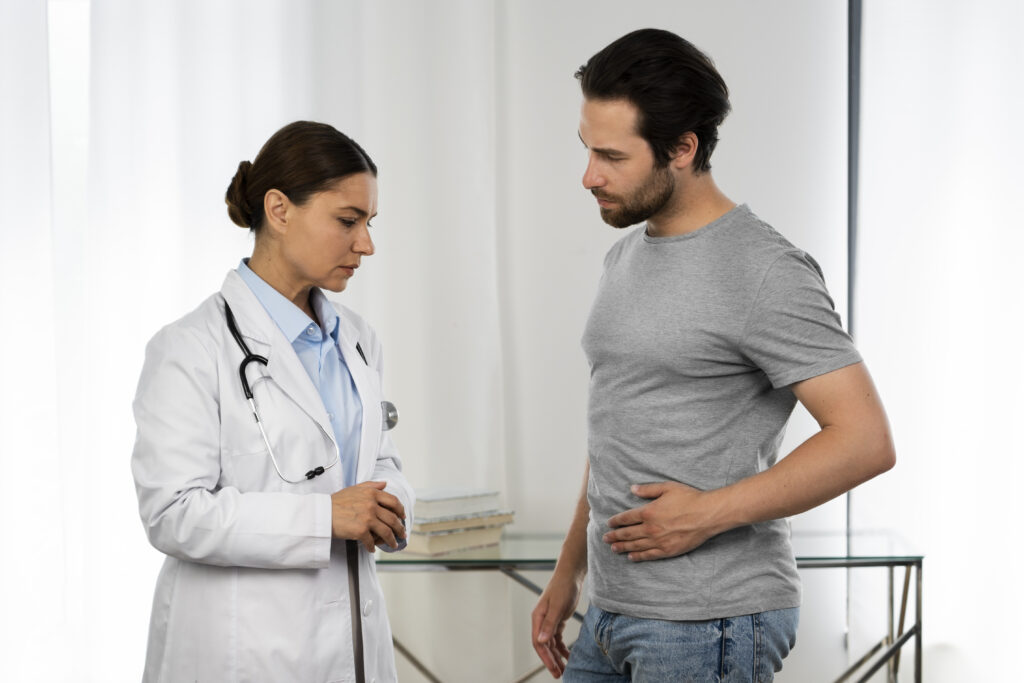
Exploring the Causes & Risk Factors of Diverticulitis
Understanding the causes of Diverticulitis is crucial for proper prevention, timely intervention, and overall well-being.
Low-Fiber Diet
A diet low in fiber leads to harder stools, increasing strain on the colon. This strain creates small pouches (diverticula) that can become inflamed or infected. Processed foods and lack of vegetables also contribute to this condition.
Obesity and Sedentary Lifestyle
Being overweight or inactive slows digestion, increasing pressure on the intestines. Excess fat can contribute to inflammation, worsening diverticulitis symptoms. Regular exercise helps prevent digestive issues and keeps the colon healthy.
Chronic Constipation and Aging
As people age, the digestive tract weakens, making diverticulitis more common. Chronic constipation increases bowel strain, causing diverticula to develop. Poor hydration and prolonged sitting also raise the risk.
Symptoms of Diverticulitis
Sharp pain, usually in the lower left abdomen.
Uncomfortable fullness, especially after meals.
Feeling sick due to digestive inflammation.
Infection can lead to flu-like symptoms.
Alternating diarrhea and constipation.

Blood in stool due to inflamed diverticula.

Treatment Options
- Antibiotics and Pain Management : Mild cases are treated with antibiotics to control infection and pain relievers to ease discomfort. Timely medication prevents complications.
- Dietary Changes and Hydration :A high-fiber diet with whole grains, fruits, and vegetables prevents flare-ups. Staying hydrated helps maintain smooth bowel movements.
- Lifestyle Modifications :Regular exercise and weight management improve digestion and reduce colon pressure. Avoiding processed foods lowers inflammation risks.
- Surgical Intervention (Severe Cases): If complications like abscesses or perforations occur, surgery may be necessary. A bowel resection or drainage procedure may be performed.
Diverticulitis occurs due to weak colon walls and low-fiber diets. Aging, obesity, and chronic constipation increase the risk.
Avoid processed foods, red meat, fried items, and low-fiber diets. These can trigger inflammation and worsen symptoms.
Yes, mild cases can be treated with antibiotics, dietary changes, and lifestyle improvements. Surgery is only for severe complications.
When should I see a doctor for diverticulitis?
If you experience severe abdominal pain, fever, vomiting, or rectal bleeding, seek medical attention immediately.