Colorectal Surgery
- Home
- Colorectal Surgery
Colorectal Surgery
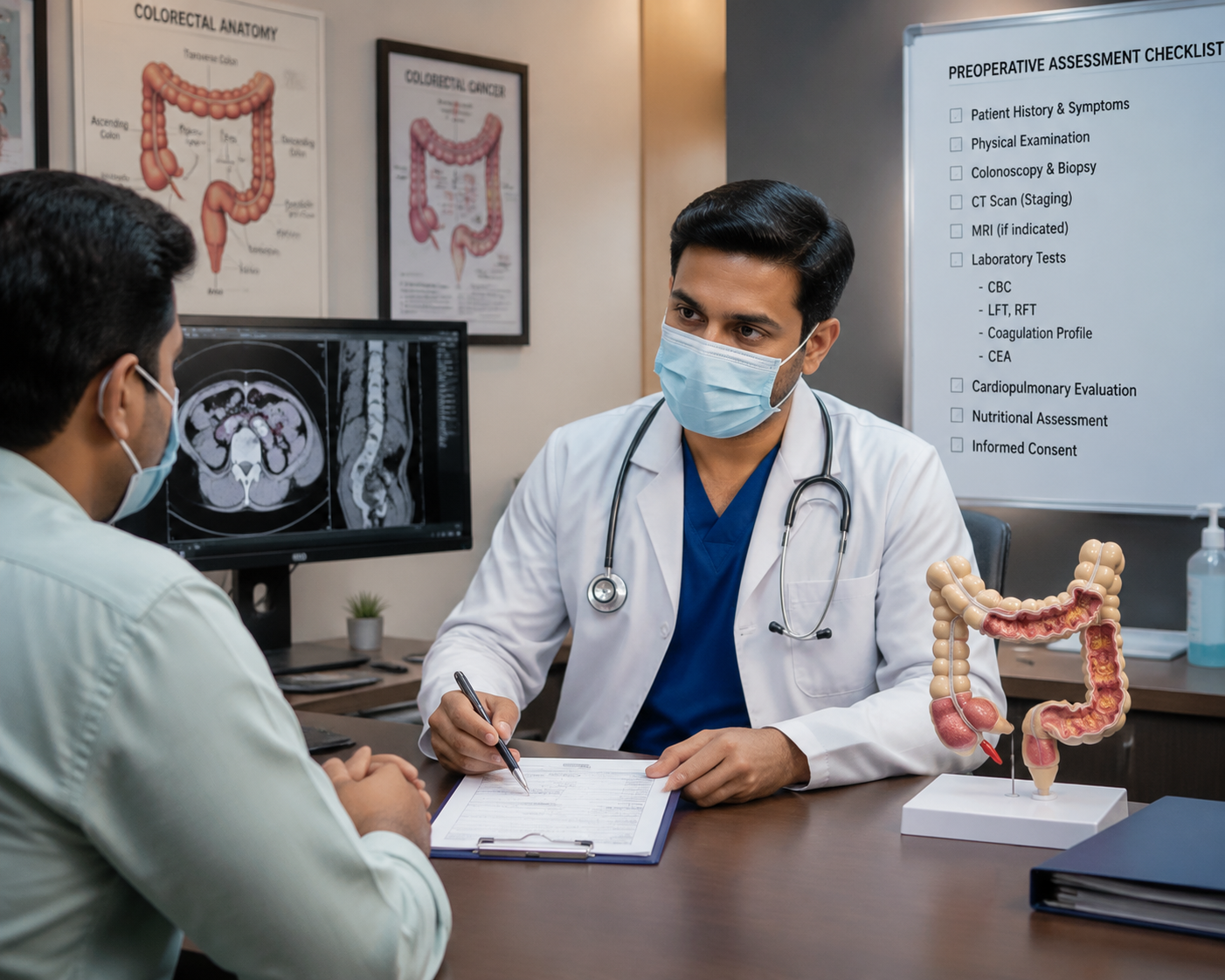
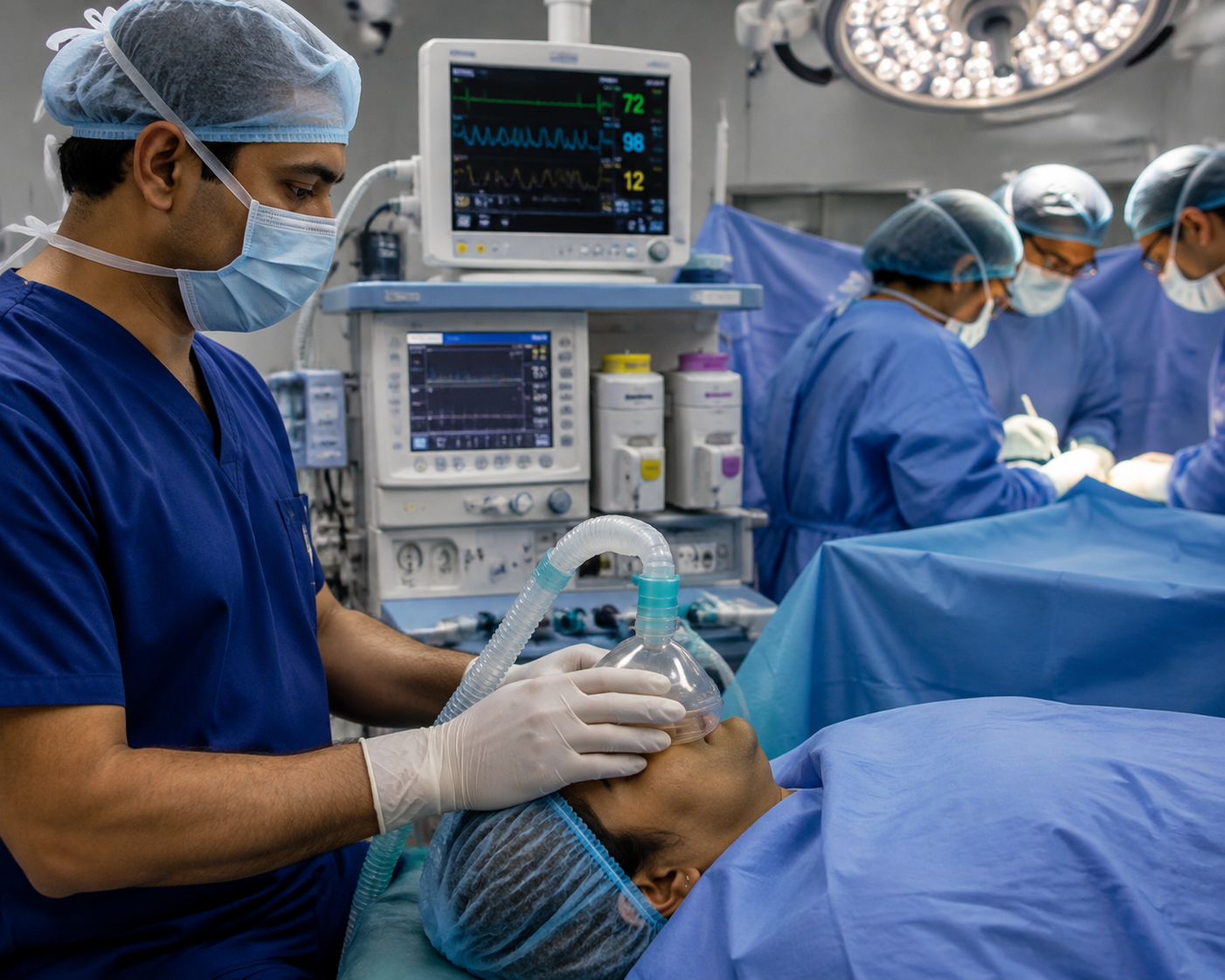
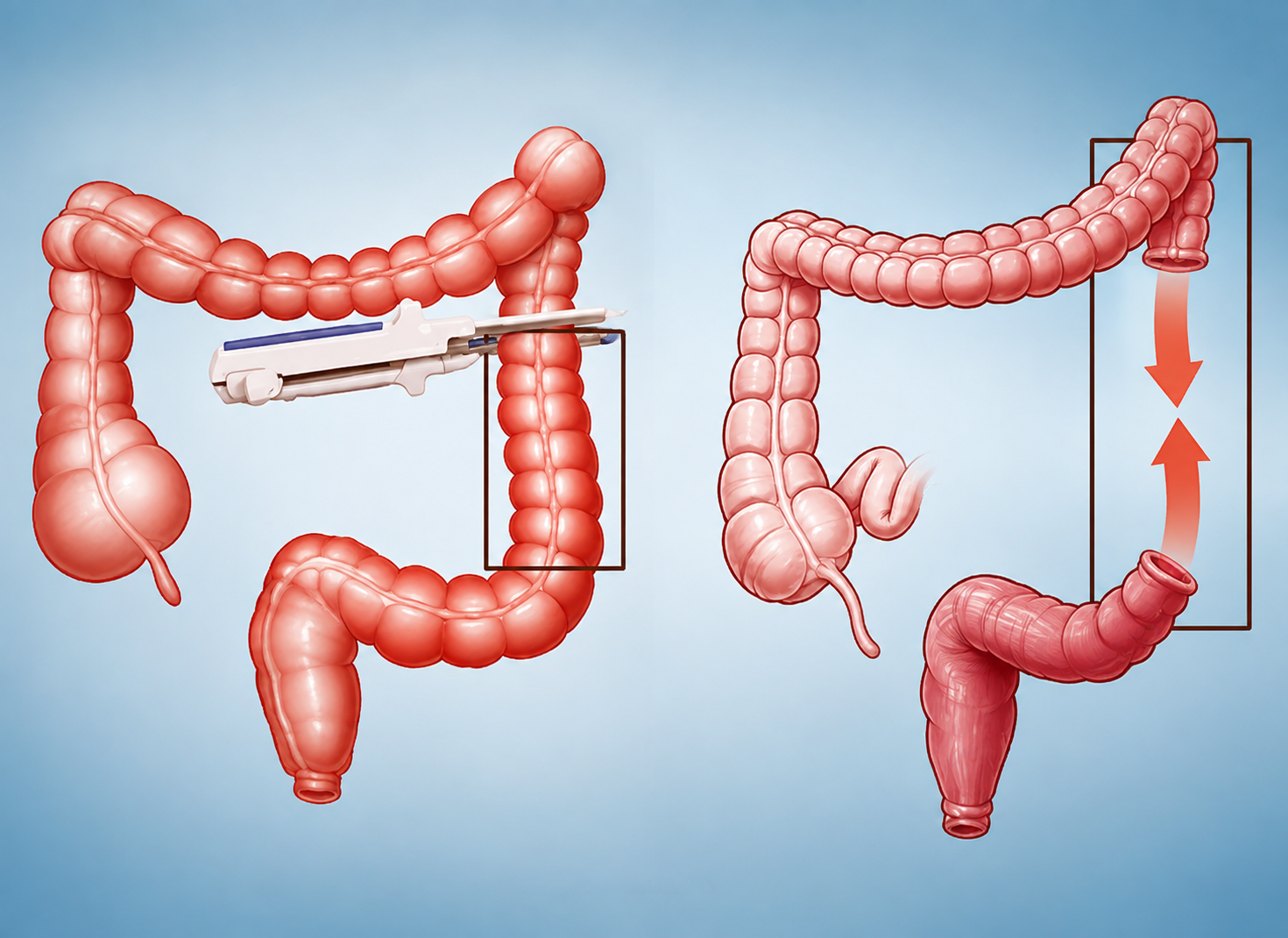
Dr. Prashanth Koyyoda offers expert care in the management of colorectal conditions, delivering personalized treatment plans for patients with colorectal cancer, inflammatory bowel diseases, polyps, and other colorectal disorders. Utilizing both advanced open and minimally invasive laparoscopic techniques, he ensures precise surgical intervention with reduced discomfort and faster recovery. With a strong focus on patient safety, function preservation, and long-term outcomes, Dr. Koyyoda is recognized as a leading specialist for colorectal surgery in Hyderabad. His timely and effective surgical solutions help prevent complications, restore digestive health, and improve overall quality of life.
Exploring the Causes & Risk Factors of Colorectal Surgery
Understanding the causes of colorectal surgery is crucial for proper prevention, timely intervention, and overall well-being.
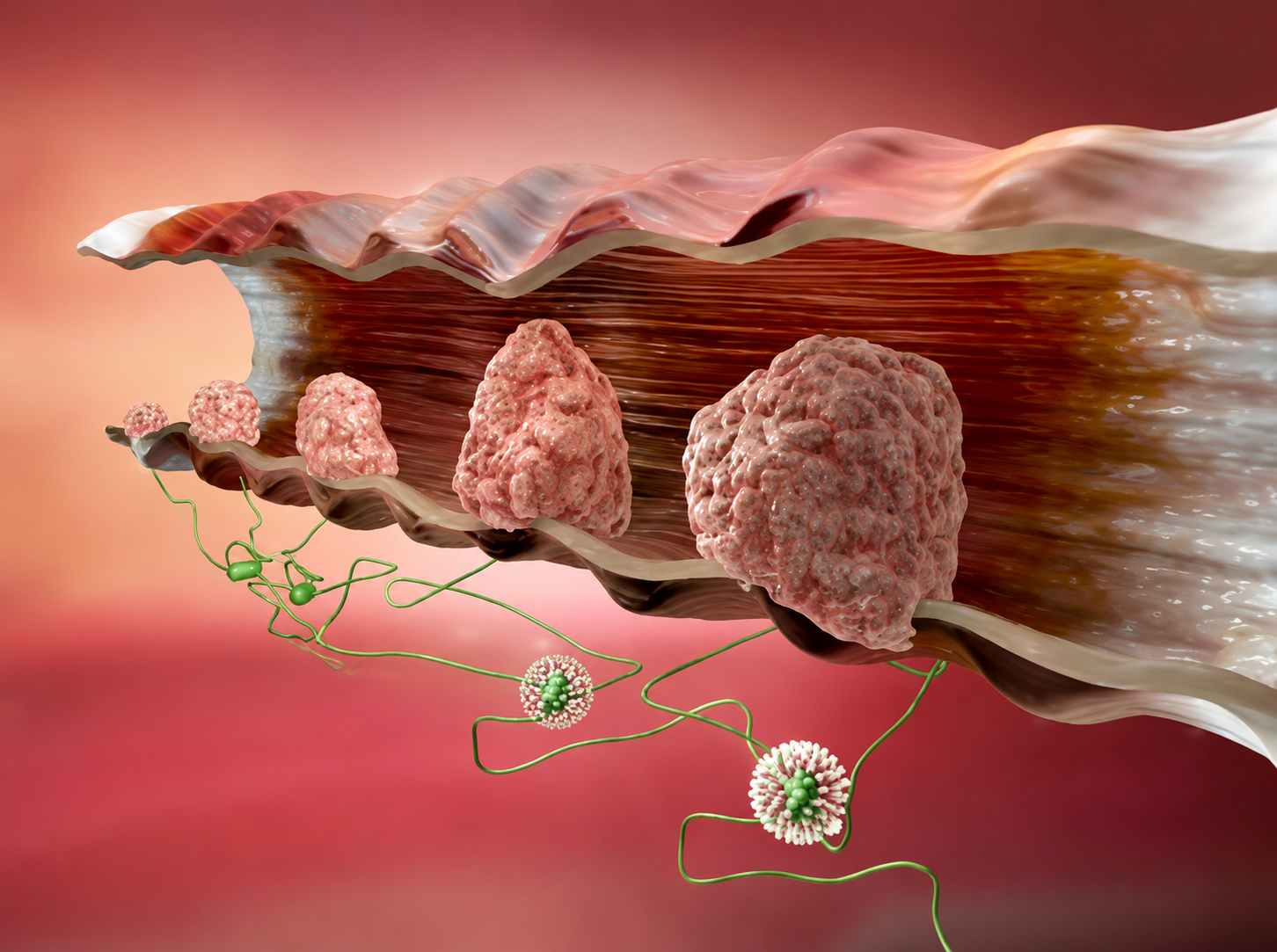
Colorectal Cancer
Chronic constipation, family history, or polyps can develop into cancer. Poor dietary habits, lack of fiber, and sedentary lifestyle further increase the risk.
Inflammatory Bowel Disease (IBD)
Ulcerative colitis and Crohn’s disease cause long-term inflammation, leading to tissue damage and eventual need for surgery in severe cases.
Diverticulitis & Rectal Prolapse
Repeated infections in diverticula or weakened pelvic muscles can lead to complications, requiring surgical intervention for pain relief and structural correction.
Symptoms of Colorectal Surgery
Ongoing difficulty in bowel movements or incomplete evacuation.
Bright red blood seen during or after passing stool.
Cramping, bloating, or persistent lower belly discomfort.
Rapid and unexplained weight changes.
Diarrhea, narrow stools, or frequency variations.
Feeling tired due to chronic blood loss or poor absorption.
Treatment Options Of Colorectal Surgery
Precision care developed to confront cancer and restore digestive strength.
- Surgical Removal : Early-stage gallbladder cancer is treated by removing the gallbladder and nearby liver tissue. It offers the best outcome if detected before spread or complications occur.
- Chemotherapy : Anti-cancer drugs are used to shrink tumors and prevent spread. Often given before or after surgery depending on cancer stage. Common agents include gemcitabine and cisplatin for systemic impact.
- Radiation Therapy : High-energy rays target and destroy remaining cancerous cells post-surgery. Also used for advanced cases to relieve pain or symptoms. Typically combined with chemo for a stronger treatment outcome.
- Immunotherapy: These focus on specific cancer cell mutations or immune checkpoints. Effective for advanced-stage or chemo-resistant tumors in eligible patients.
Your Questions Answered, Simple and Clear
Find quick answers to common questions about our services, procedures, and patient care for your convenience.
Colorectal surgery is often done for issues like colon cancer, rectal cancer, diverticulitis, IBD (like Crohn’s or ulcerative colitis), large polyps, or severe bowel obstruction. It’s a solution when meds or lifestyle changes aren't enough.
Many colorectal procedures today are done using minimally invasive (laparoscopic or robotic) techniques. That means smaller cuts, faster healing, and less post-op pain. Open surgery is used only when absolutely needed—like in emergencies or complex cases.
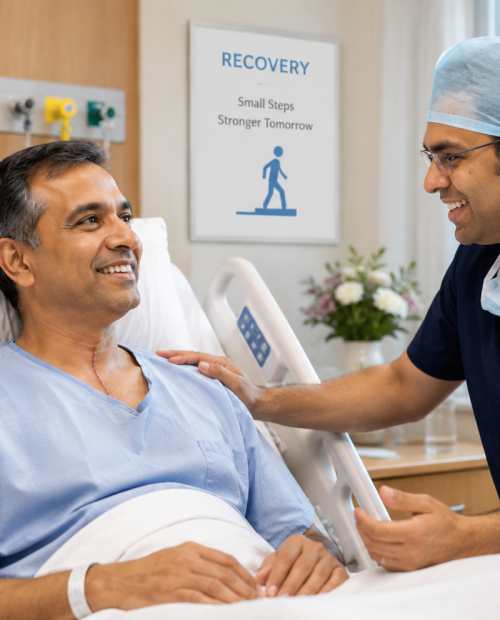
Recovery depends on the exact surgery and your health. Most laparoscopic patients go home within 3–5 days and resume light activity in a week. Full recovery might take 4–6 weeks. Bowel movements may take a little while to normalize—totally expected!
Not always. Colostomy or ileostomy bags are sometimes temporary, especially if your bowel needs time to heal. In many cases, normal bowel function can be restored with reconnection surgery later on. Your doctor will plan this based on your condition.
Diet might be lighter for a while—think soft, easy-to-digest foods at first. You’ll also need to avoid heavy lifting and listen to your body. If your surgery was for cancer or IBD, regular follow-up care and screenings will be part of your new normal.