

Persistent Diarrhea

Abdominal Pain and Cramping
Blood in Stool
Unexplained Weight Loss
Fatigue and Weakness
Loss of Appetite
Fever
Anal Pain or Drainage Due to Fistulas
Abnormal Immune System Response
Family History
Genetic Factors
Smoking
Environmental Triggers
Gut Microbiome Imbalance
Previous Intestinal Infections
Young Adult Age Group

Clinical Evaluation
Colonoscopy with Biopsy
Stool Examination
Upper GI Endoscopy (When Required)
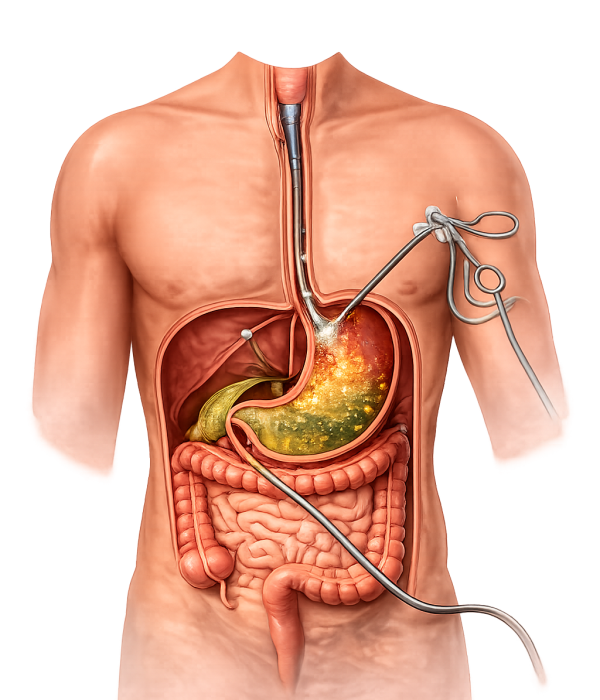
Lifestyle & Nutritional Management
Patients receive individualized dietary advice, nutritional supplementation, smoking cessation counseling, and lifestyle modifications to reduce flare-ups and support intestinal healing.


Medical Management
Treatment may include anti-inflammatory medications, corticosteroids, immunomodulators, biologic therapies, and other advanced medications to control inflammation, reduce symptoms, and maintain remission.
Endoscopic Monitoring
Regular colonoscopy and endoscopic evaluation help assess disease activity, monitor healing, detect complications early, and evaluate the effectiveness of treatment.
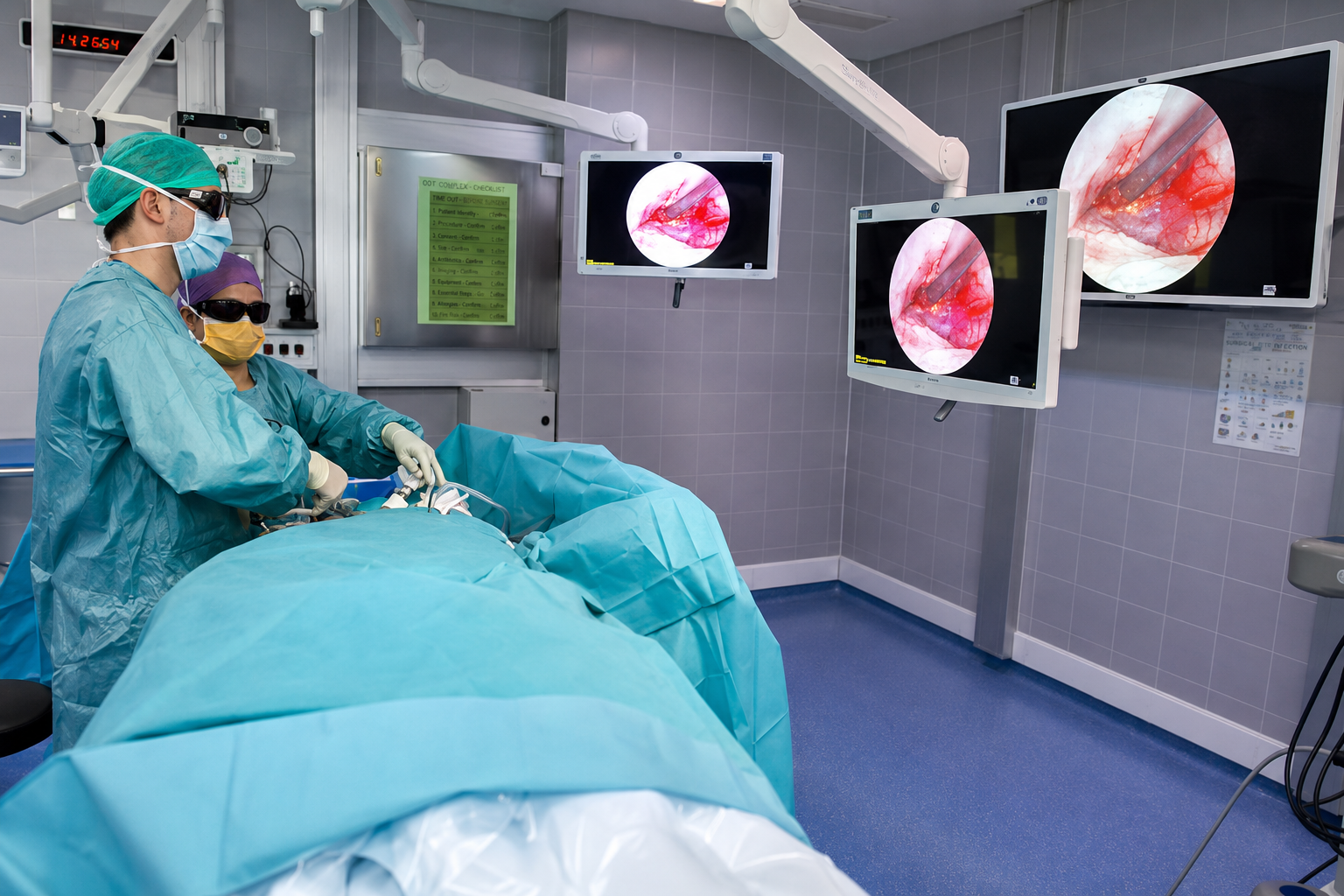
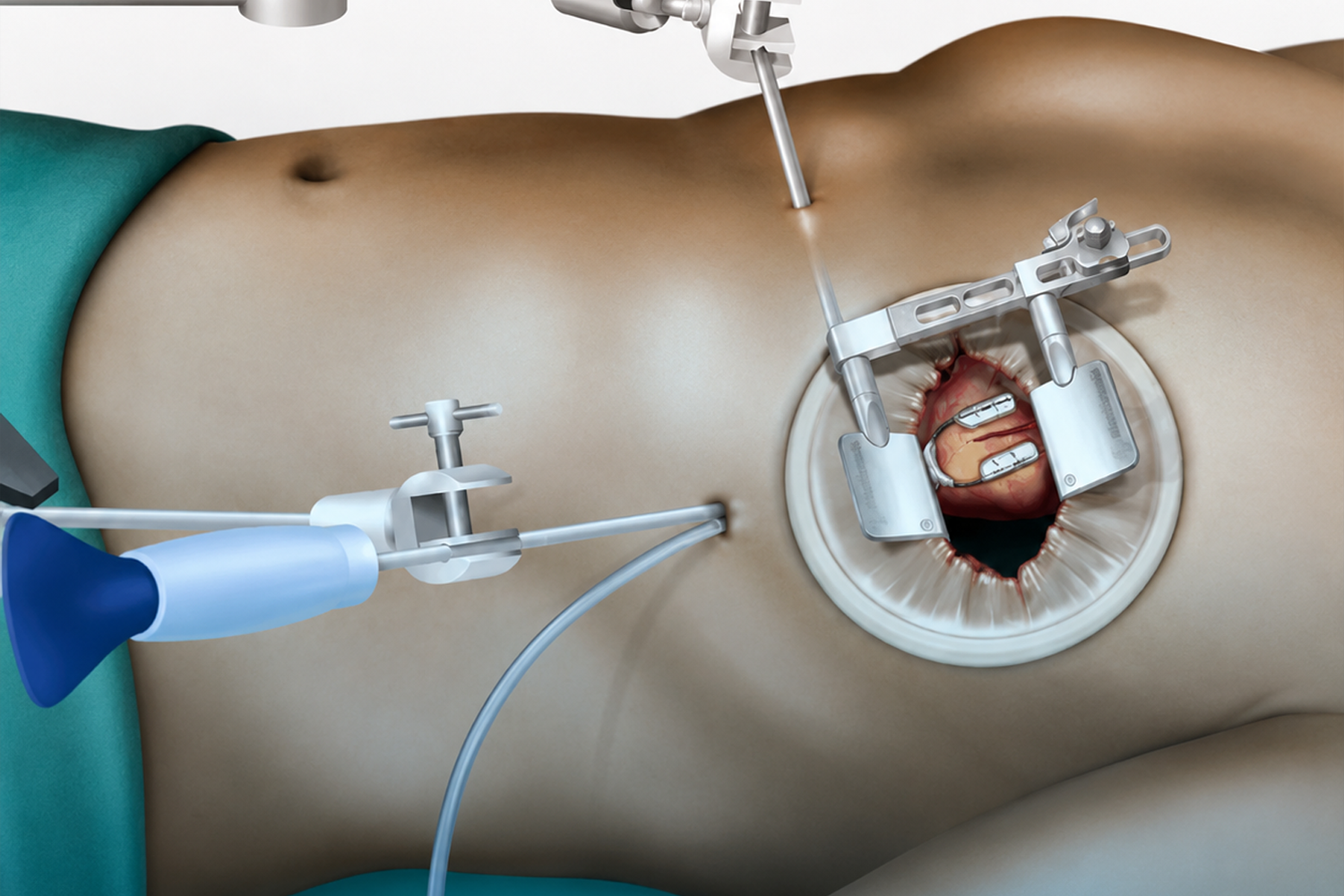
Minimally Invasive Surgery
Surgery may be necessary for complications such as intestinal obstruction, fistulas, abscesses, perforation, or severe disease that does not respond to medications. Whenever possible, minimally invasive laparoscopic surgery is performed for faster recovery and reduced postoperative discomfort.
Long-Term Follow-Up Care
Regular follow-up appointments, nutritional monitoring, imaging studies, and endoscopic surveillance help prevent disease progression, detect complications early, and maintain long-term digestive health.