
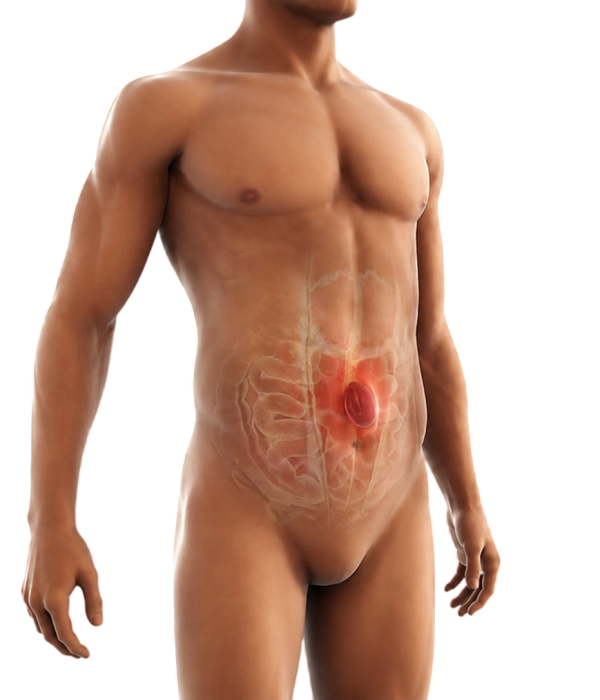
Belly Button Bulge

Abdominal Discomfort
Navel Tenderness
Pain During Straining
Increasing Swelling
Abdominal Heaviness
Activity-Related Discomfort
Pain Around Navel
Obesity
Pregnancy
Multiple pregnancies
Increased abdominal pressure
Chronic coughing
Constipation and repeated straining
Previous abdominal procedures
Abdominal wall weakness

Physical Examination
Assessment of swelling, tenderness, and abdominal wall condition.
Hernia Size Assessment
Evaluation of the defect size and characteristics.
Ultrasound or CT Scan
Provides additional anatomical information when required.
Surgical Assessment
Findings help determine the most appropriate repair approach.
Open Umbilical Hernia Repair
Robotic Hernia Repair
Minimally Invasive Laparoscopic Repair
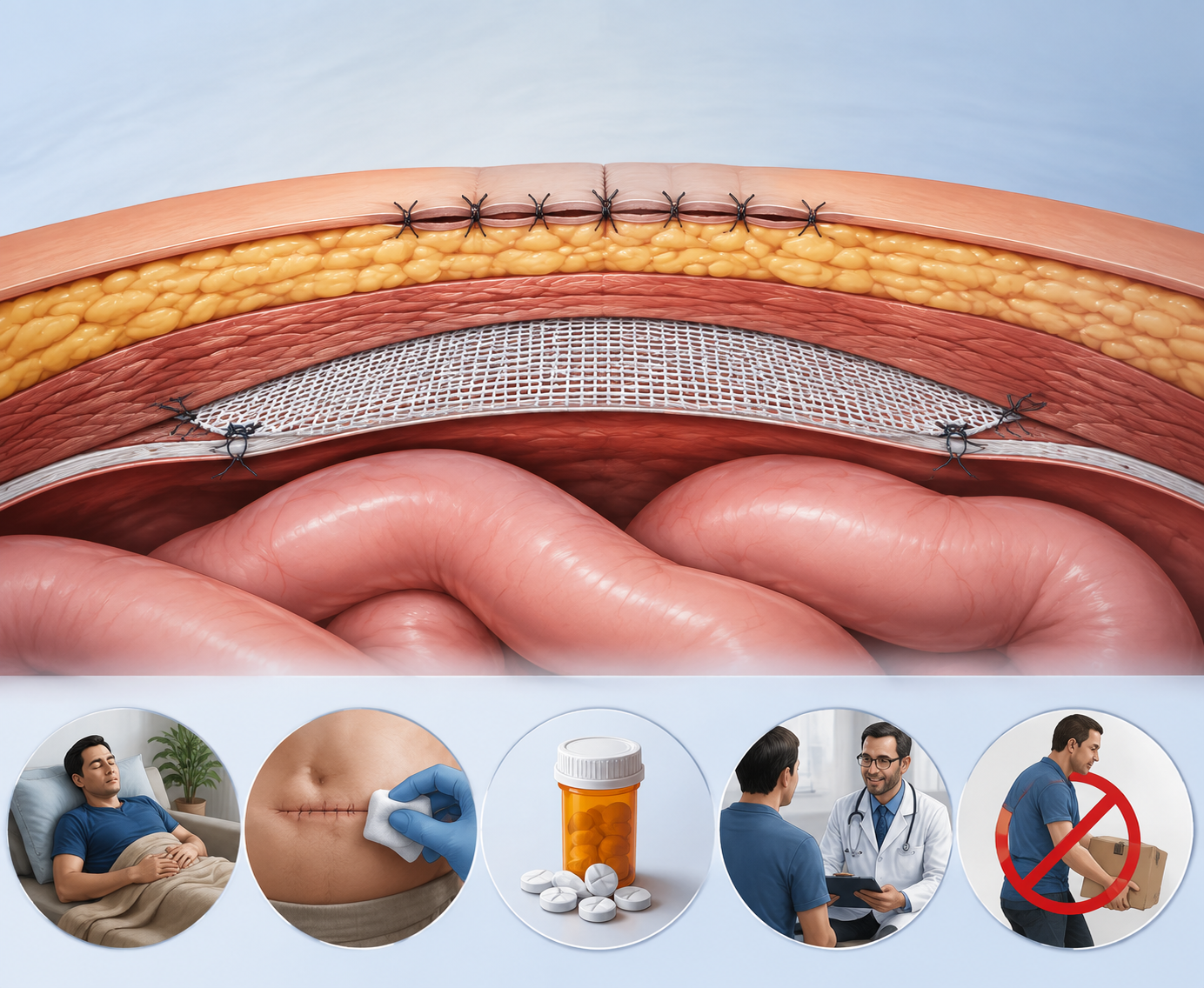
Mesh Reinforcement
Preoperative Assessment
The hernia size, symptoms, medical history, imaging findings, and overall health are carefully reviewed.

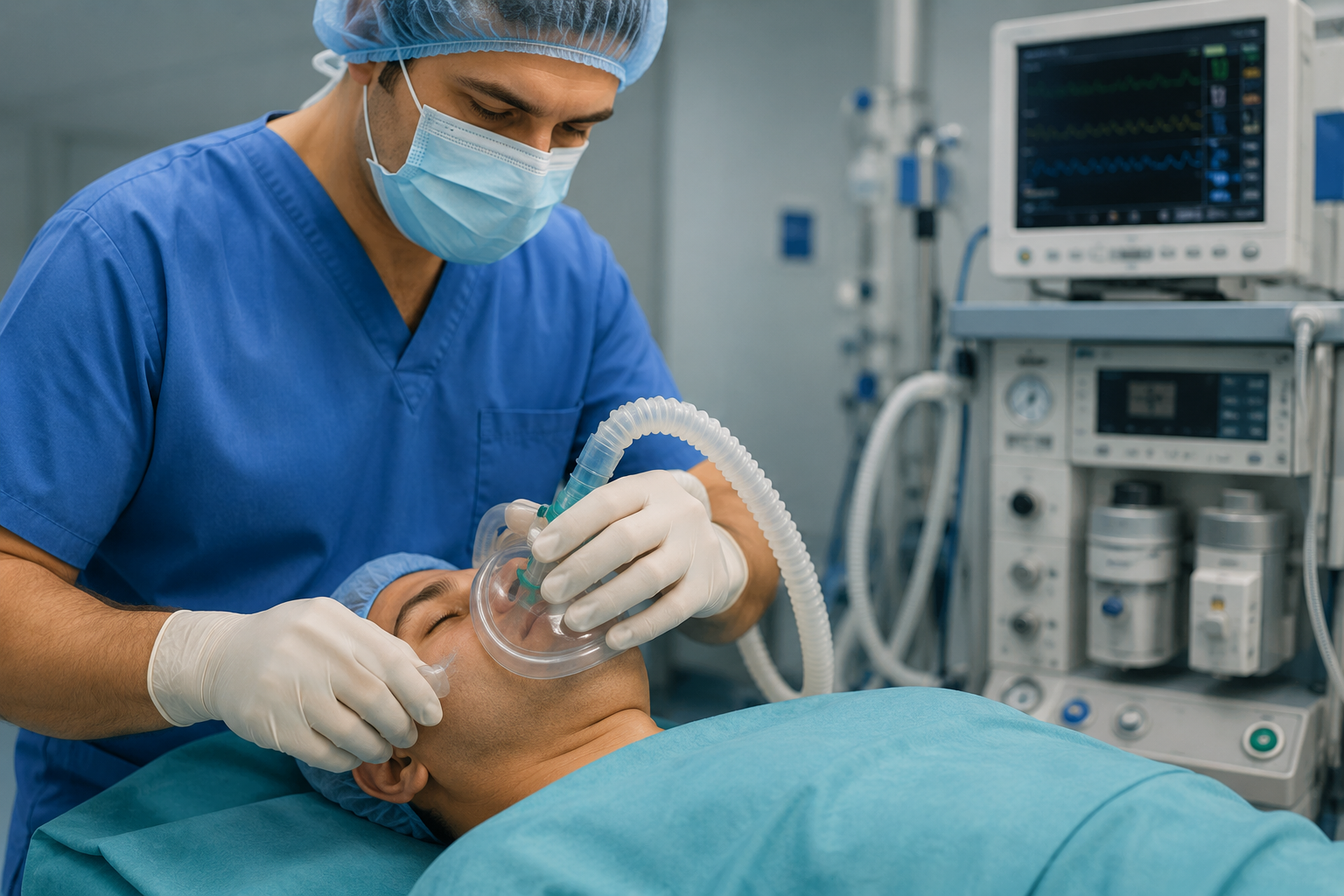
Anesthesia
Appropriate anesthesia is administered according to the selected surgical procedure and patient's medical requirements.
Surgical Access
The surgeon uses an open approach or minimally invasive laparoscopic/robotic access according to the hernia.
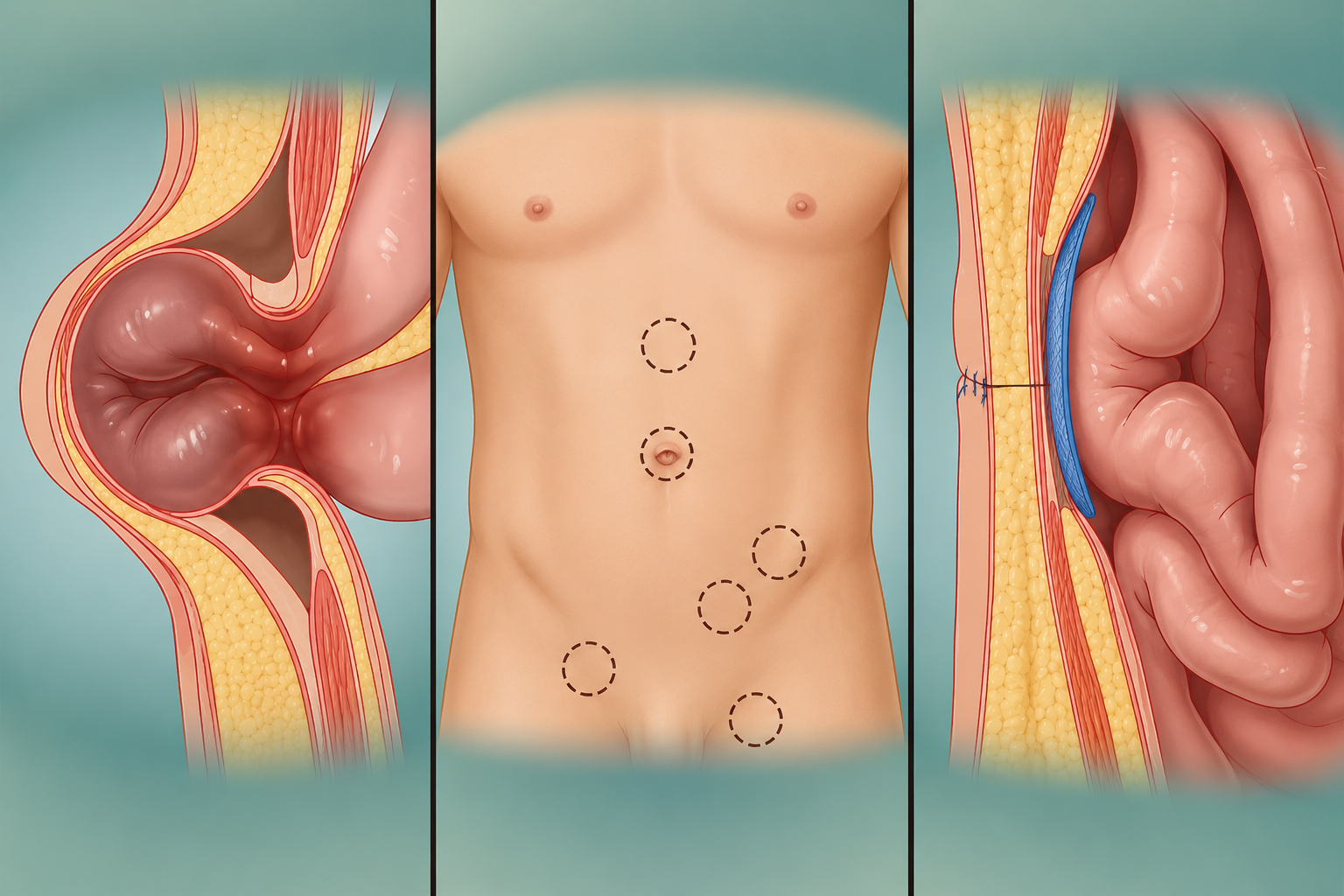
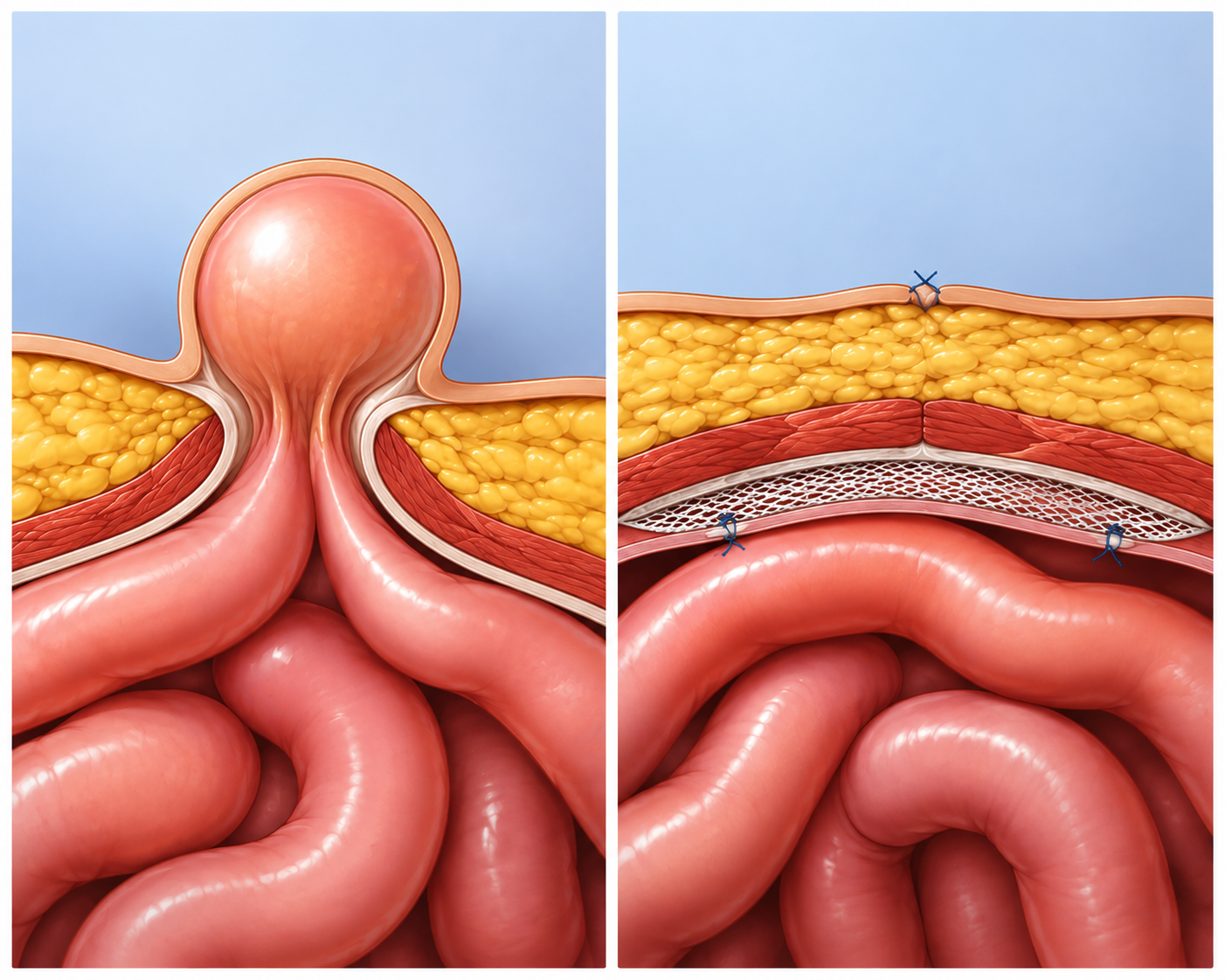
Hernia Reduction & Defect Repair
The protruding tissue is repositioned and the weakened abdominal wall defect is carefully repaired.
Closure & Postoperative Care
The surgical area is closed, followed by wound care, pain management, monitoring, and recovery instructions.