
Pancreatic Head Cancer
Distal Cholangiocarcinoma
Periampullary Tumors
Ampullary Carcinoma
Duodenal Cancer
Pancreatic Neuroendocrine Tumors
Complete Removal of Localized Tumors

Potential Curative Treatment
Relief from Obstructive Jaundice
Improved Digestive Function
Reduced Cancer Progression
Improved Long-Term Survival
Comprehensive Cancer Management
Personalized Multidisciplinary Care

Preoperative Assessment
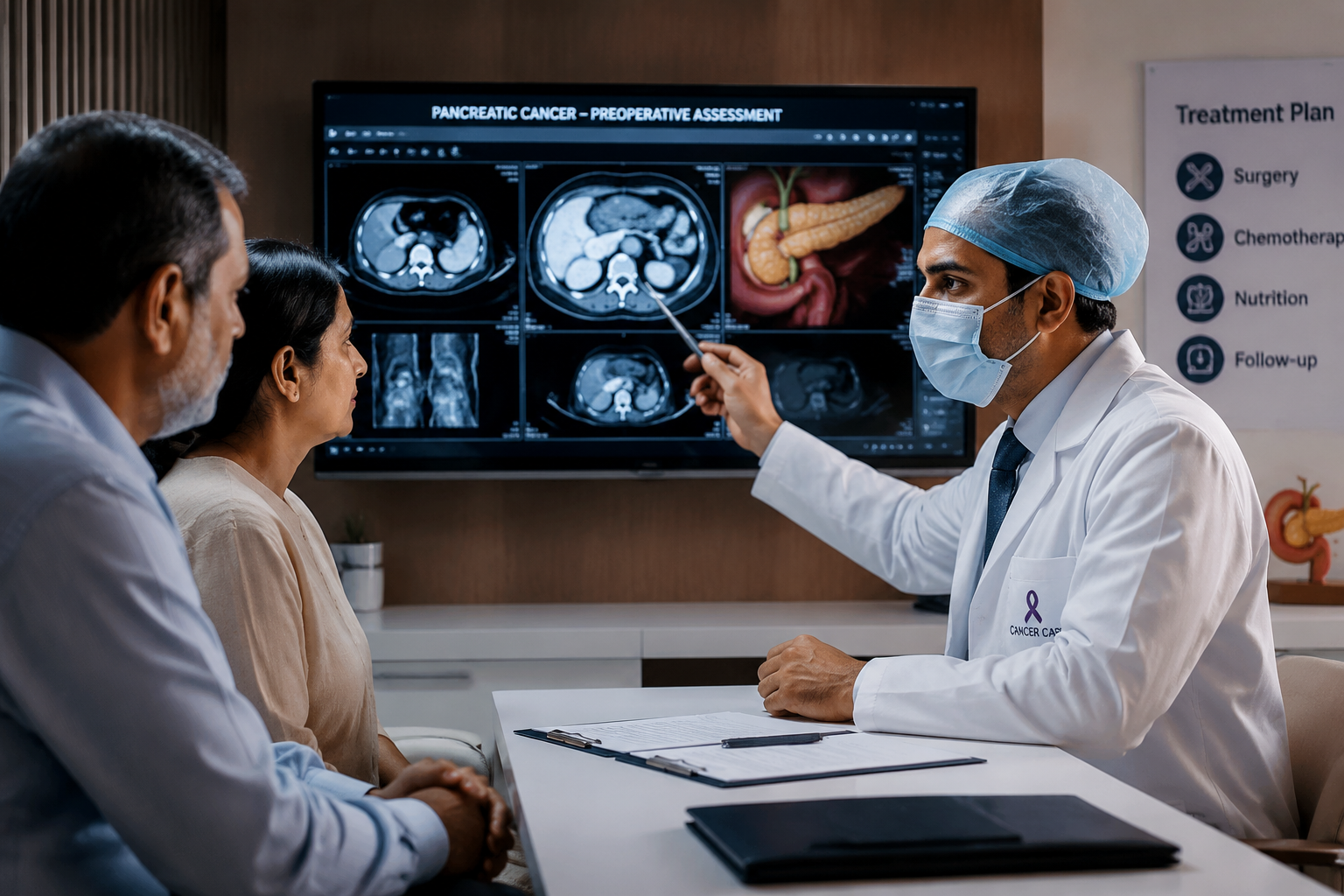
Before surgery, Dr. Prashanth Koyyoda conducts a detailed evaluation including blood investigations, liver function tests, tumor markers, CT Scan, MRI, MRCP, Endoscopic Ultrasound (EUS), and biopsy when required. Nutritional assessment, cardiac evaluation, pulmonary assessment, and anesthetic fitness are also completed to ensure optimal surgical planning.
General Anesthesia
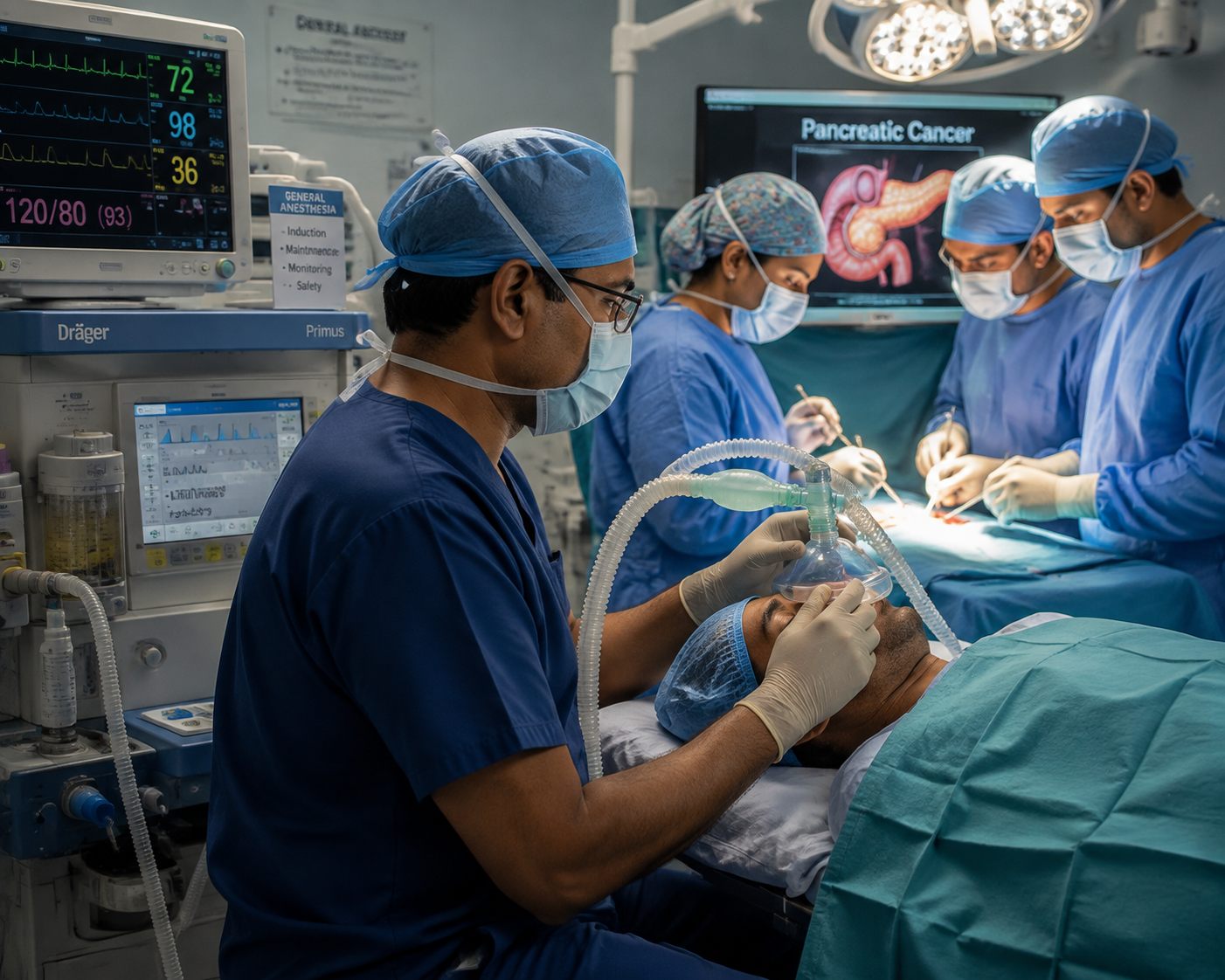
The procedure is performed under general anesthesia, with continuous monitoring throughout the operation to ensure patient safety.
Surgical Procedure
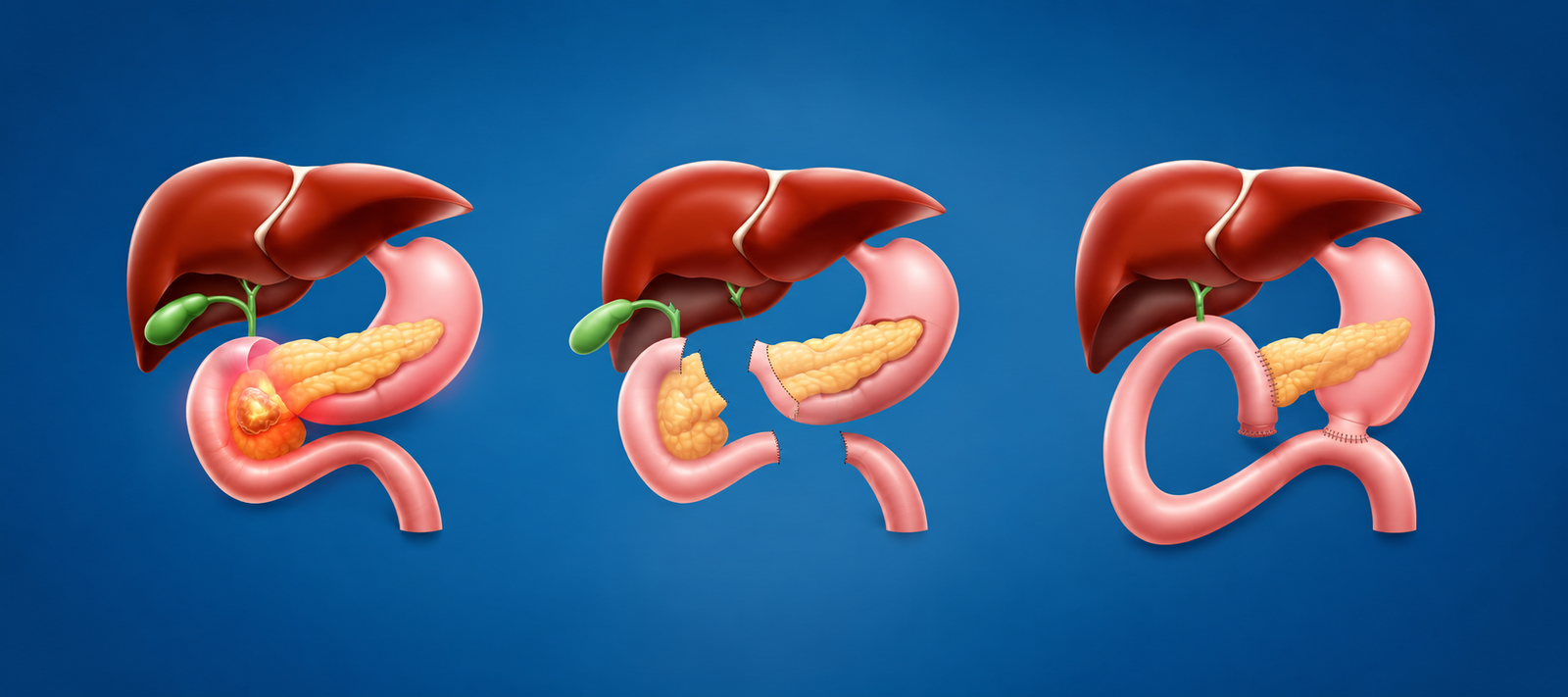
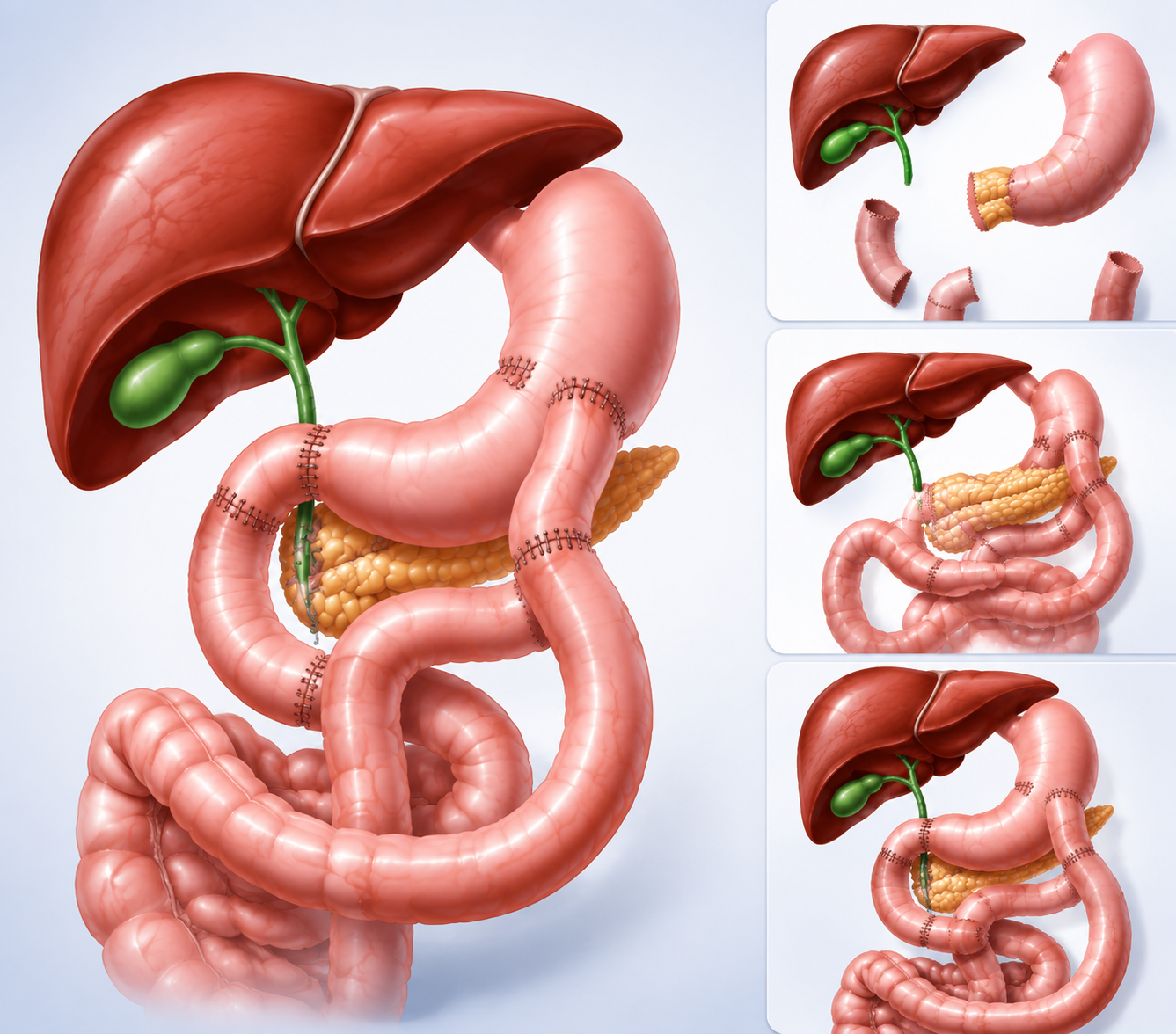
Through an abdominal incision, the surgeon carefully removes the head of the pancreas, duodenum, gallbladder, distal common bile duct, and, when necessary, a small portion of the stomach. Nearby lymph nodes are also removed for accurate cancer staging and treatment.
Digestive Tract Reconstruction
After removing the diseased organs, the digestive tract is reconstructed by reconnecting the remaining pancreas, bile duct, and stomach (or duodenum) to the small intestine. These carefully created connections restore the normal flow of digestive juices and food.
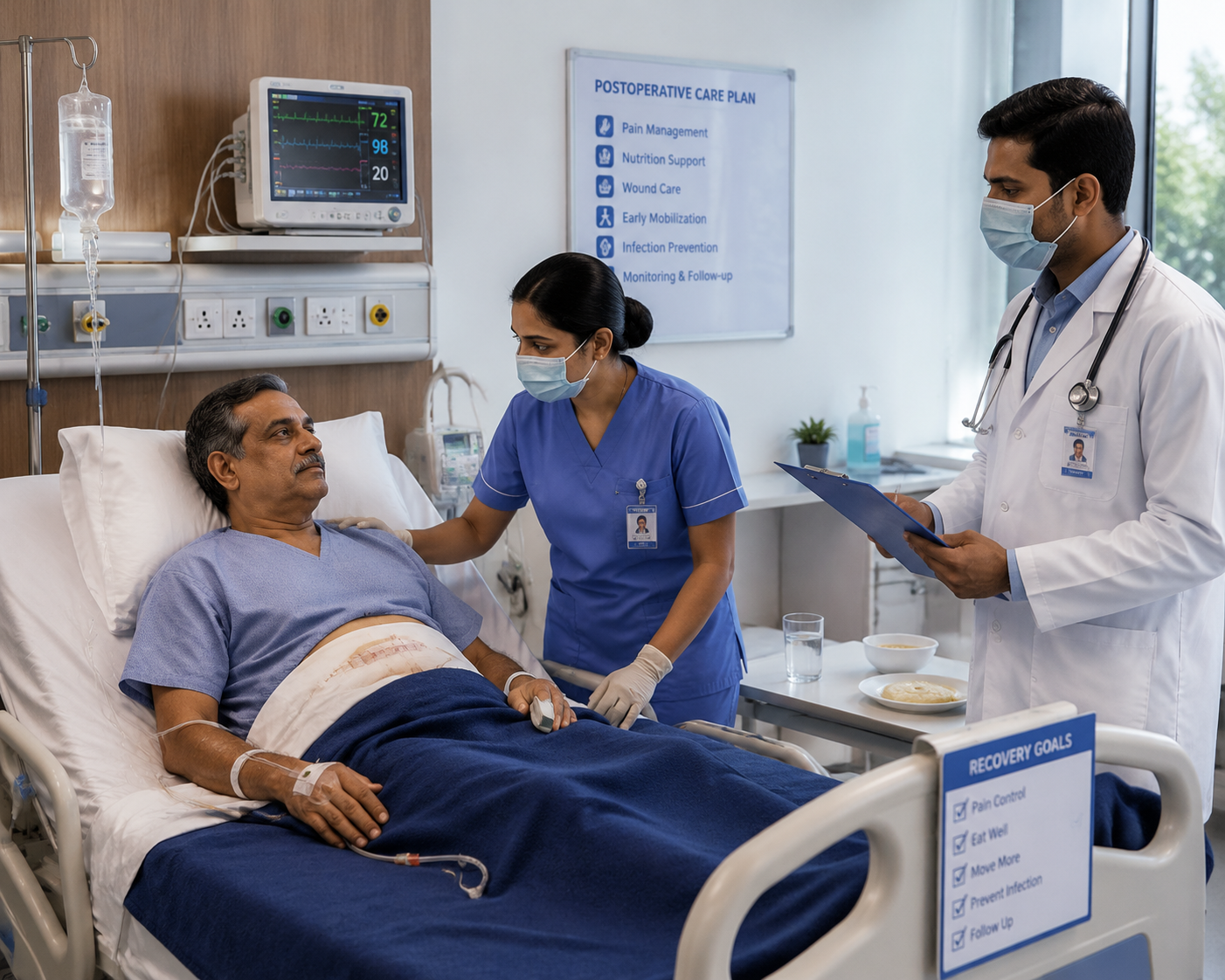
Postoperative Care
Following surgery, patients receive intensive postoperative monitoring, pain management, nutritional support, early mobilization, and close observation for potential complications. A multidisciplinary team provides dietary guidance, enzyme replacement therapy when required, and long-term follow-up.