
Post-Surgical Abdominal Adhesions
Chronic Adhesion-Related Abdominal Pain
Recurrent Adhesive Intestinal Obstruction
Small Bowel Obstruction Due to Adhesions
Pelvic Adhesions
Dense Peritoneal Adhesions
Relief from Chronic Abdominal Pain

Resolution of Intestinal Obstruction
Restoration of Normal Organ Movement
Smaller Incisions
Less Postoperative Pain
Minimal Blood Loss
Lower Risk of Wound Complications
Faster Recovery

Preoperative Assessment
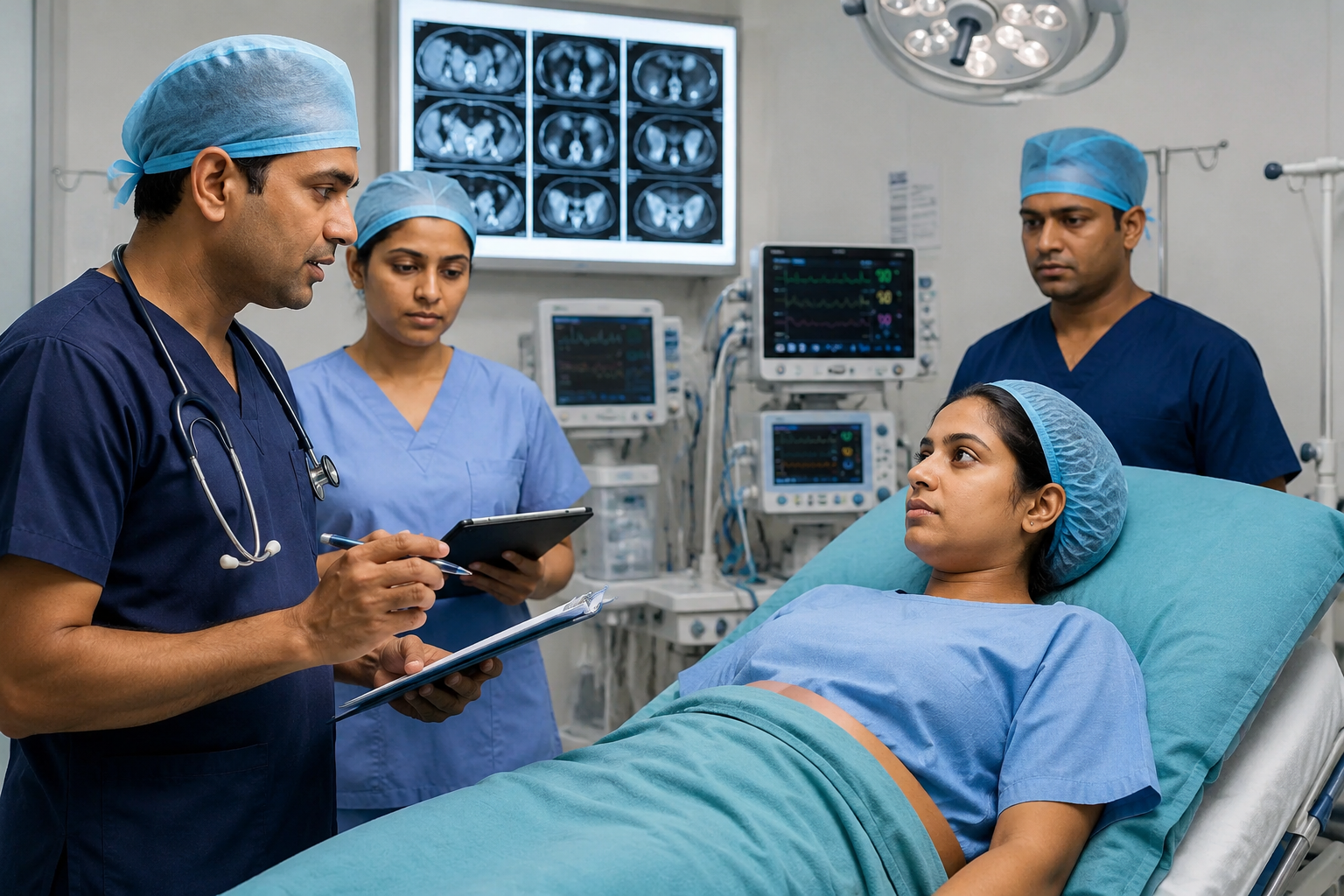
Before surgery, Dr. Prashanth Koyyoda performs a thorough evaluation, including medical history, physical examination, blood investigations, CT scan of the abdomen when indicated, and anesthetic fitness assessment. Previous surgical records and imaging studies are reviewed to understand the location and severity of the adhesions.

General Anesthesia
The procedure is performed under general anesthesia to ensure complete patient comfort. Throughout the surgery, the anesthesia team continuously monitors all vital signs to maintain maximum safety.
Surgical Procedure
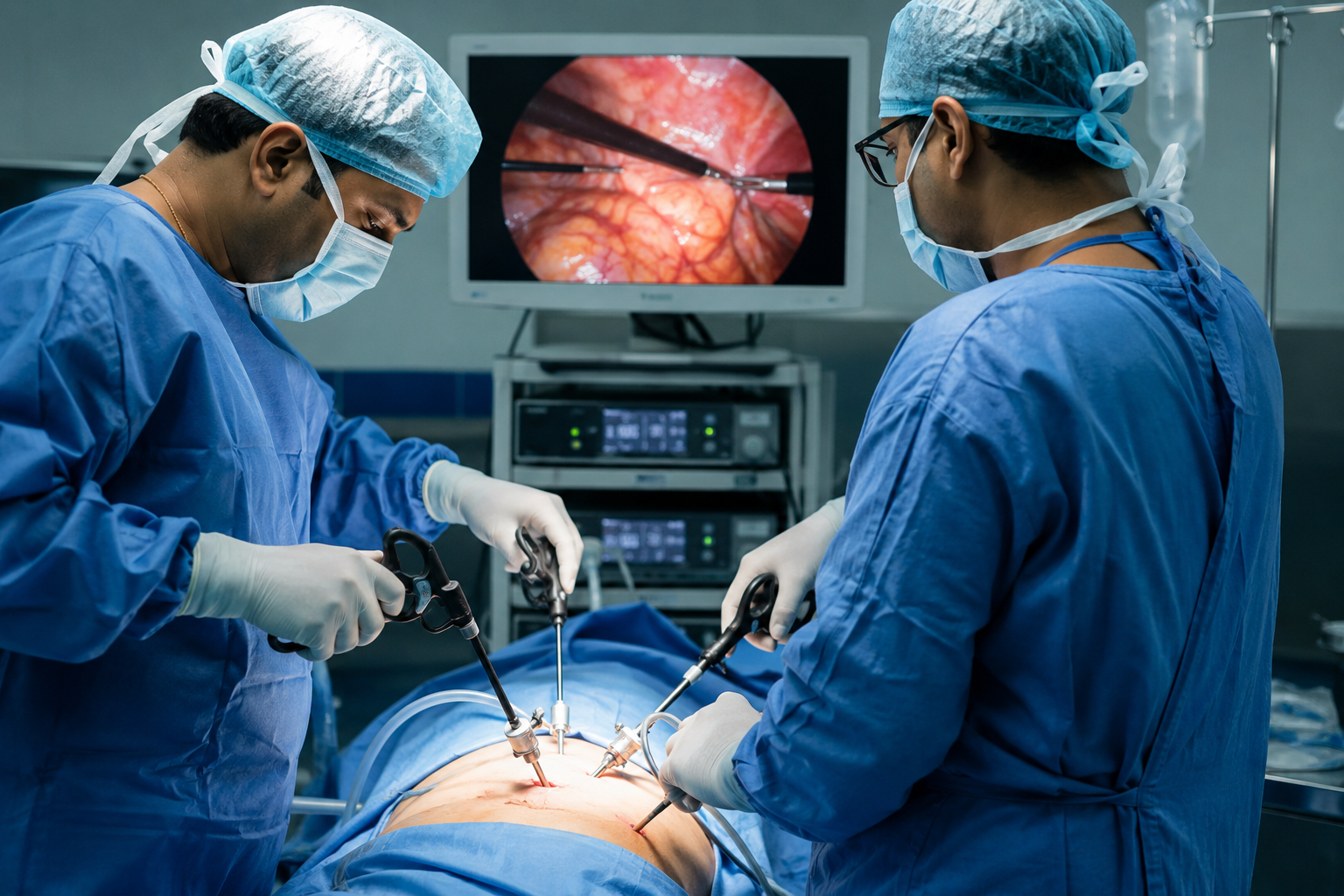
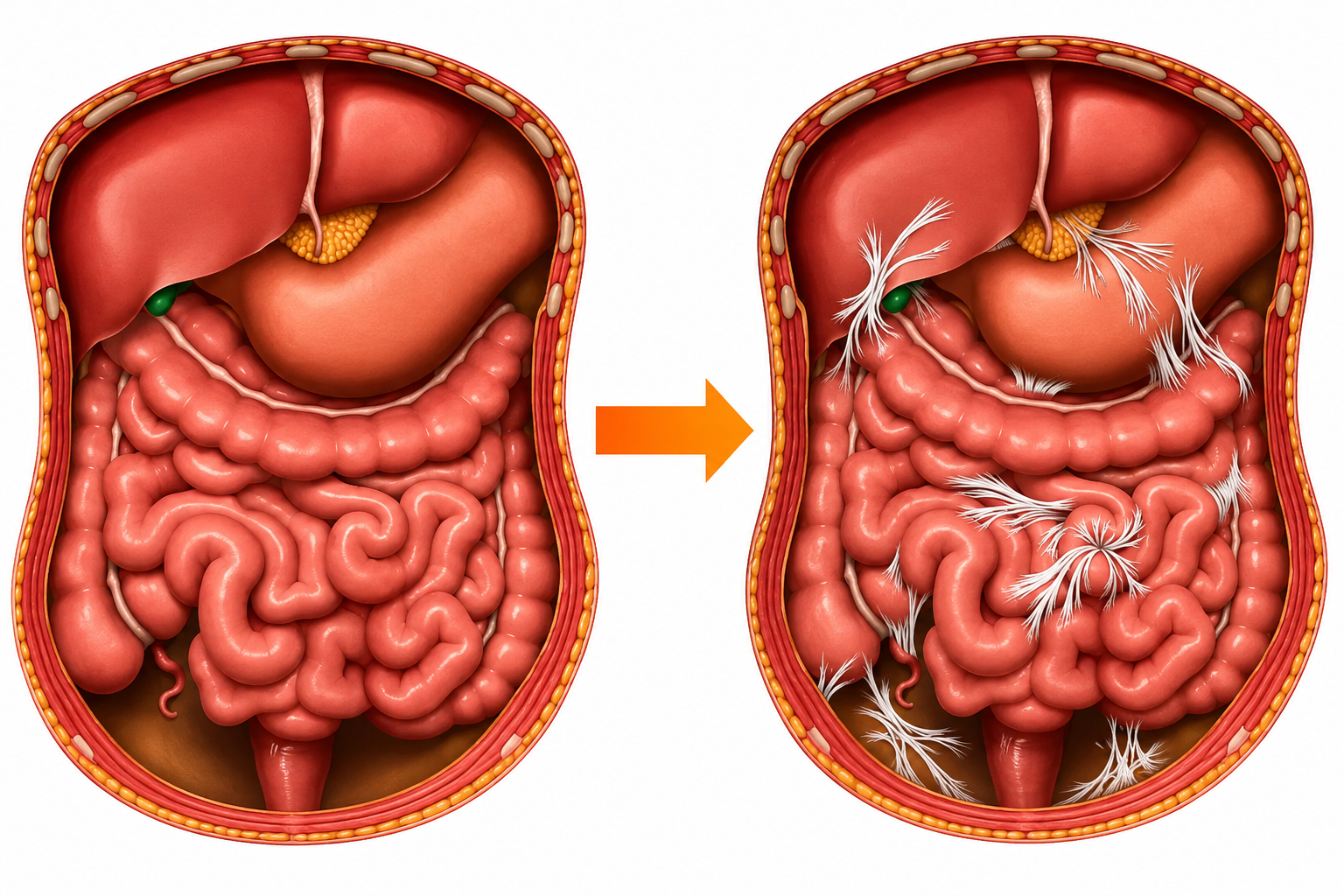
Small incisions are made in the abdominal wall to insert a laparoscope and specialized surgical instruments. The abdominal cavity is carefully examined, and the adhesions are meticulously separated without damaging surrounding organs such as the intestines, liver, stomach, or other abdominal structures. The procedure restores the normal movement of organs while minimizing additional tissue trauma. Whenever possible, minimally invasive techniques are used to reduce the formation of new adhesions.
Adhesion Release
Each adhesion is carefully divided using advanced laparoscopic instruments or energy devices. Dense scar tissue causing bowel obstruction or organ restriction is released while preserving healthy tissues and maintaining adequate blood supply to the affected organs.
Postoperative Care
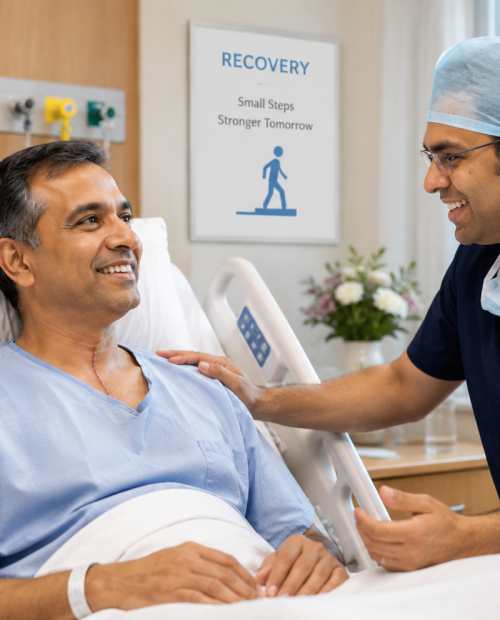
After surgery, patients are monitored for pain control, bowel function, wound healing, and overall recovery. Early mobilization, gradual resumption of oral intake, and careful observation help reduce postoperative complications and support a smooth recovery.