

Immune Thrombocytopenic Purpura (ITP)
Autoimmune Hemolytic Anemia
Splenic Abscess
Hereditary Spherocytosis
Splenic Cysts
Splenic Tumors
Smaller Incisions

Less Postoperative Pain
Minimal Blood Loss
Reduced Risk of Wound Infection
Faster Recovery
Shorter Hospital Stay
Minimal Scarring
Earlier Return to Daily Activities

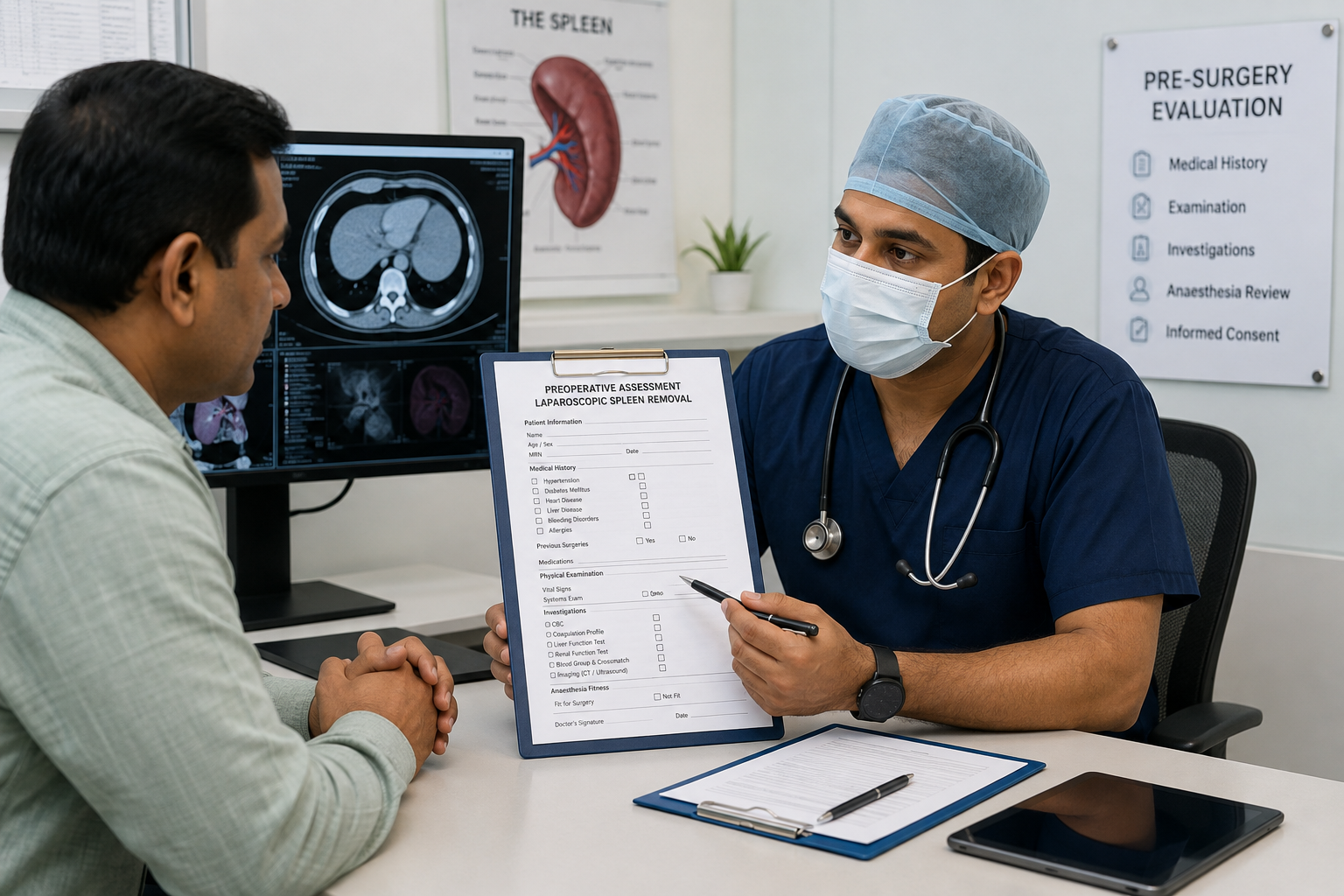
Preoperative Assessment
Before surgery, Dr. Prashanth Koyyoda performs a comprehensive evaluation including blood investigations, ultrasound or CT scan of the abdomen, assessment of spleen size, and anesthetic fitness. Patients are also evaluated for vaccination requirements before splenectomy to reduce the risk of certain infections after surgery.
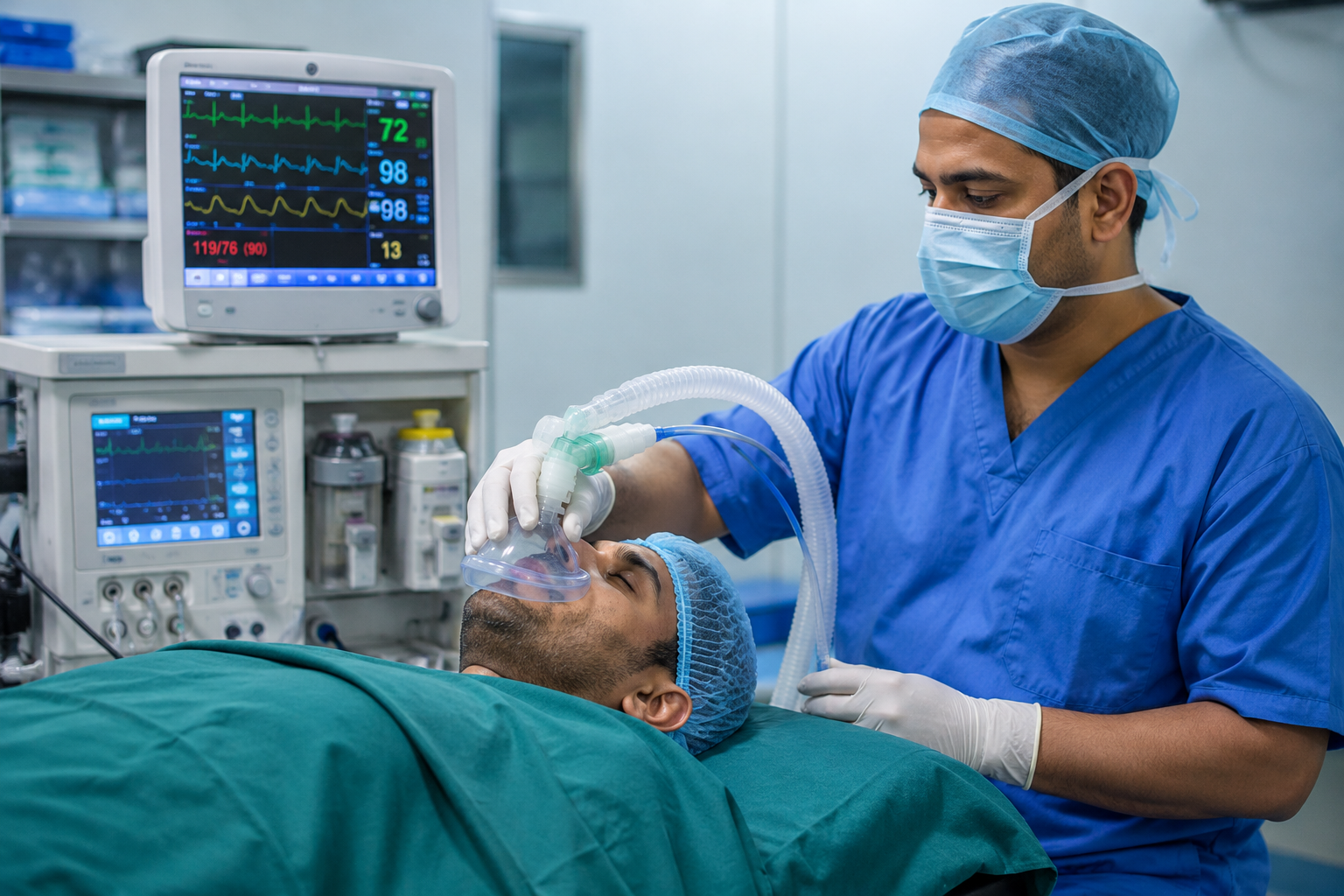
General Anesthesia
The procedure is performed under general anesthesia to ensure complete comfort throughout the surgery. The anesthesia team continuously monitors heart rate, blood pressure, oxygen levels, and overall patient safety.
Surgical Procedure
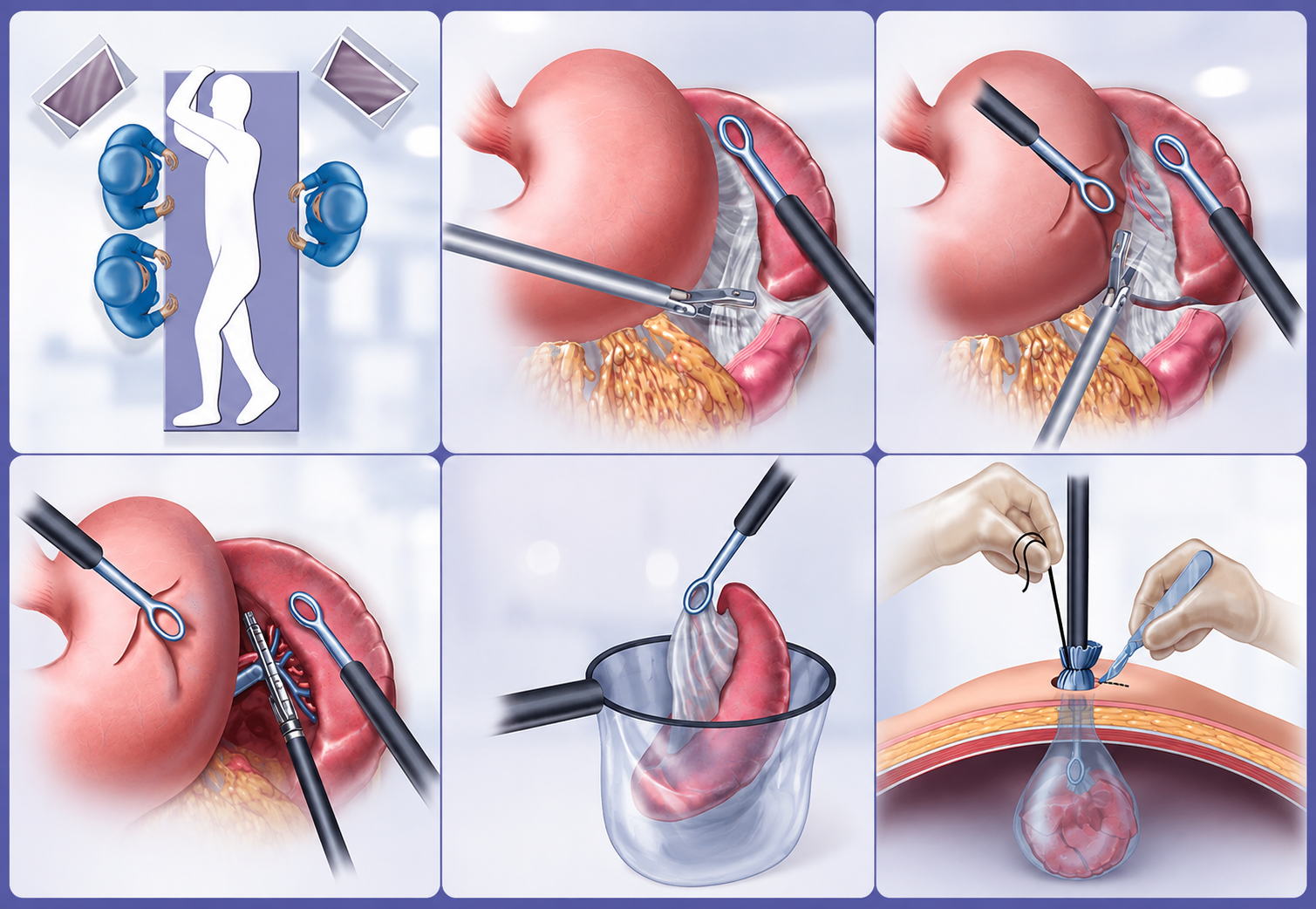
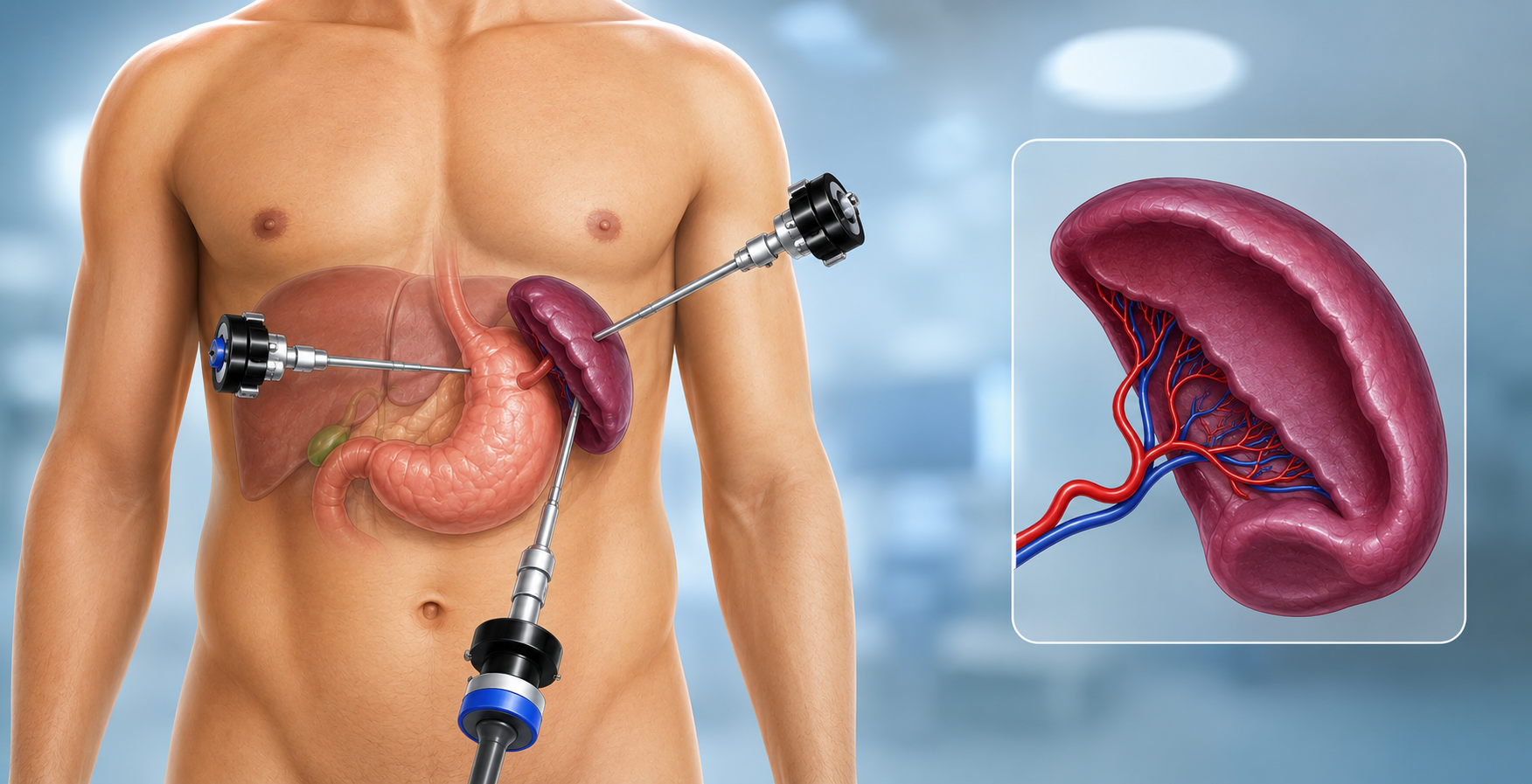
Small incisions are made in the abdomen to insert a high-definition laparoscope and specialized surgical instruments. The spleen is carefully separated from its surrounding attachments, and the splenic blood vessels are securely sealed and divided. The spleen is then placed inside a protective retrieval bag and removed through one of the small incisions. Every effort is made to minimize bleeding while preserving nearby organs such as the stomach, pancreas, and colon.
Specimen Removal
Once the spleen has been safely detached, it is enclosed in a sterile specimen retrieval bag and removed through a slightly enlarged incision if necessary. The abdominal cavity is carefully inspected for bleeding before the small incisions are closed.
Postoperative Care
Following surgery, patients are monitored for pain control, bleeding, infection, and overall recovery. Early mobilization, respiratory exercises, hydration, and gradual resumption of oral intake are encouraged to promote a smooth recovery. Patients also receive guidance regarding long-term infection prevention following spleen removal.